
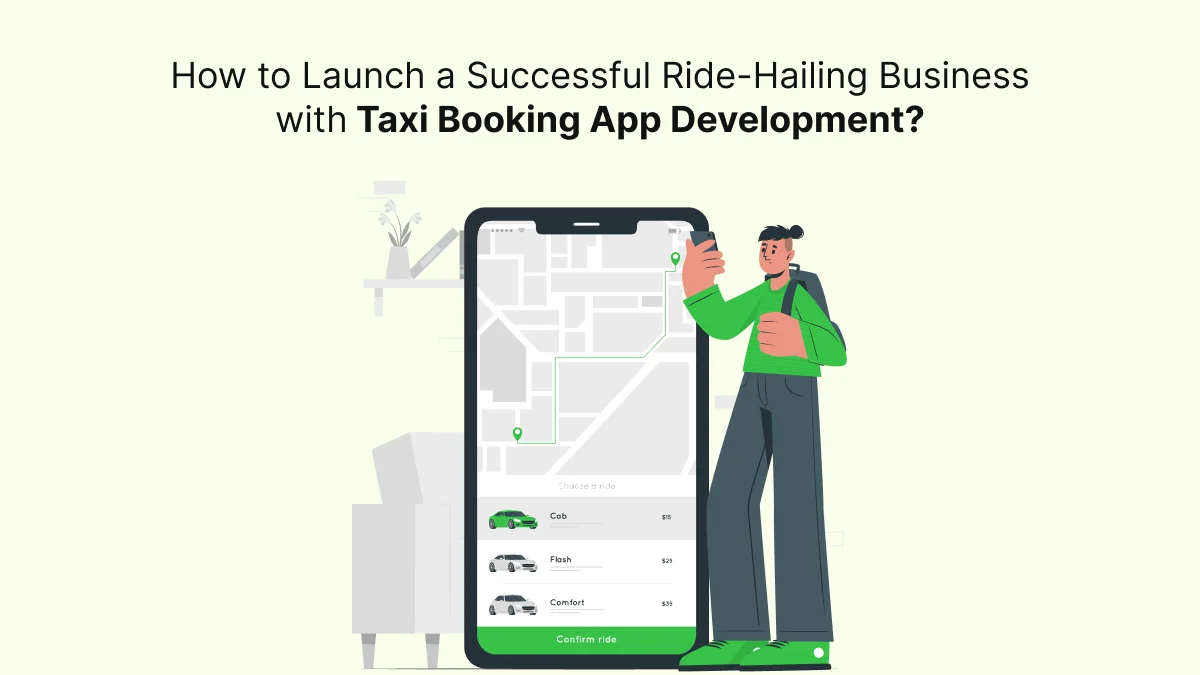
The ride-hailing industry has transformed the way people commute across cities and countries. Consumers today expect convenient, reliable, and technology-driven transportation services that allow them to book rides within seconds. As digital adoption continues to grow worldwide, startups and entrepreneurs are increasingly exploring opportunities in the transportation sector through Taxi Booking App Development.
Launching a ride-hailing business is no longer limited to large corporations. With the right strategy, technology solution, and market positioning, entrepreneurs can build scalable transportation platforms that serve local, regional, or international markets. Whether targeting daily commuters, corporate travelers, airport transfers, or specialized transportation services, a well-planned ride-hailing platform can create sustainable business growth.
This guide explains everything entrepreneurs need to know about launching a successful ride-hailing business, from understanding market opportunities to selecting the right technology partner and implementing essential platform features.
Understanding the Ride-Hailing Market Opportunity
The transportation industry has witnessed remarkable digital transformation over the past decade. Traditional taxi services are rapidly shifting toward app-based booking platforms because consumers prefer speed, convenience, transparency, and real-time tracking.
Modern customers expect:
- Quick ride booking
- Real-time driver tracking
- Digital payments
- Estimated arrival times
- Transparent fare calculations
- Ride history access
- Safety and security features
These expectations create significant opportunities for startups looking to enter the mobility sector through professional taxi app development solutions.
Businesses entering this market can focus on multiple transportation segments, including:
Urban Ride-Hailing Services
Urban transportation remains one of the most profitable segments due to consistent daily demand. Commuters regularly use ride-hailing services for office travel, shopping, education, and social activities.
Airport Transportation
Airport rides offer a reliable revenue stream because travelers prioritize convenience and punctuality.
Corporate Transportation
Companies increasingly seek digital transportation solutions for employee mobility and business travel management.
Intercity Travel
Long-distance transportation services are becoming popular among travelers seeking affordable and comfortable travel options.
Why Entrepreneurs Are Choosing Taxi Booking Apps
The popularity of digital transportation platforms is driven by evolving consumer behavior and smartphone penetration. Entrepreneurs are choosing taxi application development because it enables them to build technology-driven businesses with strong growth potential.
Some major advantages include:
Wider Customer Reach
A mobile application allows businesses to connect with customers anytime and anywhere, creating greater accessibility and convenience.
Operational Efficiency
Automation helps streamline ride management, driver allocation, payment processing, and customer support activities.
Better Customer Experience
Digital booking systems reduce waiting times and improve customer satisfaction through real-time updates and communication.
Data-Driven Decision Making
Ride-hailing platforms generate valuable insights that help businesses understand user preferences and improve service quality.

Essential Steps to Launch a Ride-Hailing Business
Launching a successful transportation platform requires more than simply developing an application. Entrepreneurs must create a comprehensive business strategy that aligns with market demand and operational goals.
Define Your Target Market
Before starting development, identify the audience you want to serve.
Potential customer segments include:
- Daily commuters
- Students
- Corporate professionals
- Tourists
- Airport travelers
- Senior citizens
Understanding customer behavior helps shape service offerings and platform functionality.
Conduct Market Research
Comprehensive market research allows businesses to understand competitors, customer expectations, and market gaps.
Key areas to evaluate include:
- Existing ride-hailing providers
- Service quality benchmarks
- User pain points
- Regional transportation trends
- Customer preferences
Research findings can significantly influence product positioning and growth strategies.
Choose a Business Model
Different ride-hailing businesses operate under different models.
Popular options include:
Aggregator ModelThis model connects passengers with independent drivers through a centralized platform.
Fleet Ownership ModelBusinesses own and manage their own vehicles and drivers.
Hybrid ModelA combination of aggregator and fleet ownership approaches that offers greater flexibility.
Selecting the right model depends on business objectives, target audience, and operational strategy.
Key Features Required for a Ride-Hailing Platform
Successful platforms focus heavily on user experience. A modern ride-hailing ecosystem typically consists of customer applications, driver applications, and administrative management systems.
Customer Application Features
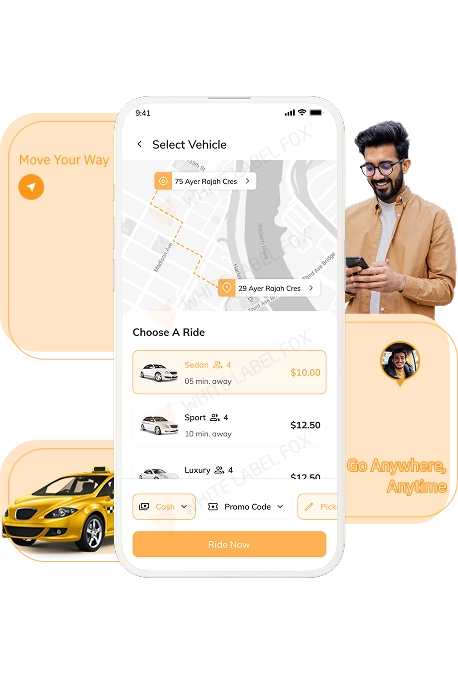
Customers expect a seamless booking experience from start to finish.
Important features include:
User RegistrationSimple onboarding helps users create accounts quickly and securely.
Ride BookingPassengers should be able to schedule rides with minimal effort.
Live Driver TrackingReal-time GPS tracking increases transparency and improves customer confidence.
Multiple Payment OptionsCustomers appreciate flexibility when making payments through different methods.
Ride HistoryUsers can review previous rides, invoices, and trip details whenever needed.
Ratings and ReviewsFeedback systems encourage service quality improvements and accountability.
Driver Application Features

Drivers play a crucial role in service delivery and platform growth.
Essential features include:
Driver RegistrationSecure onboarding helps verify driver credentials and eligibility.
Trip ManagementDrivers should easily accept, reject, and manage ride requests.
Navigation AssistanceIntegrated navigation improves route efficiency and customer satisfaction.
Earnings DashboardDrivers need visibility into completed trips and earnings performance.
Availability ControlsFlexible availability settings help drivers manage working hours effectively.
Admin Panel Features
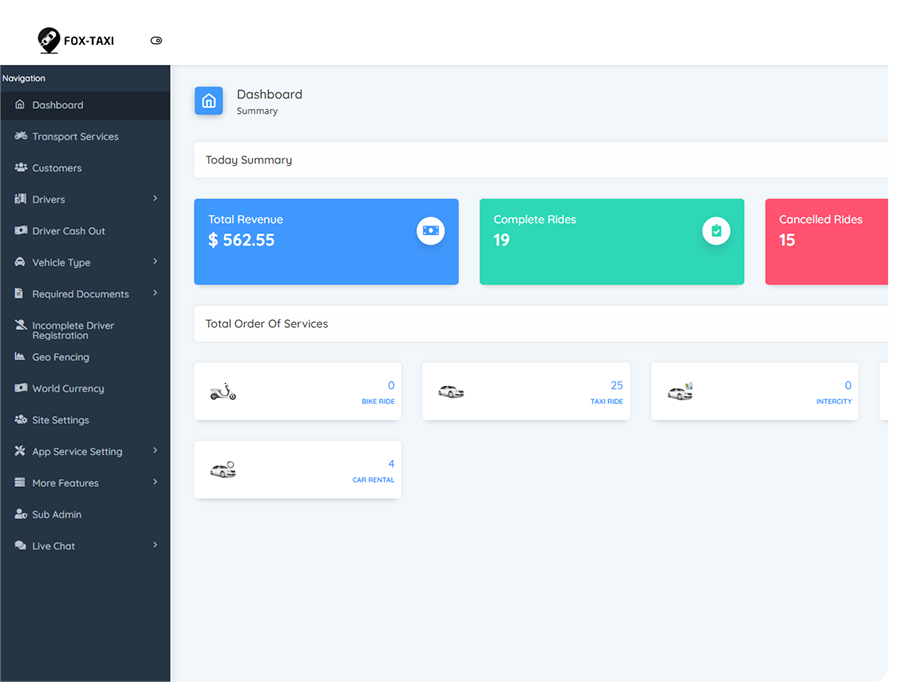
Administrative capabilities help businesses manage daily operations effectively.
Important functions include:
User ManagementMonitor passenger and driver activities from a centralized dashboard.
Ride MonitoringTrack ongoing rides and service performance in real time.
Analytics and ReportingBusiness insights support informed decision-making and strategic planning.
Promotional Campaign ManagementMarketing tools help attract new users and increase customer retention.
Choosing the Right Development Approach
One of the most important decisions entrepreneurs face is selecting the appropriate development strategy.
Custom Development
Custom solutions provide complete flexibility and unique platform experiences. They are suitable for businesses seeking highly differentiated products.
White Label Solutions
Many startups prefer white label taxi booking app solutions because they enable faster market entry while maintaining brand identity.
White-label platforms can be customized according to business requirements, allowing entrepreneurs to focus on growth and customer acquisition.
Clone-Based Solutions
Many transportation startups launch using an uber clone or similar market-tested platform structure. This approach helps businesses leverage proven ride-hailing workflows while customizing branding and features according to business objectives.
Solutions such as an uber clone app provide a practical foundation for entrepreneurs looking to establish their presence in competitive markets.
Businesses evaluating rapid launch strategies often consider an uber clone script because it offers familiarity, scalability, and user-friendly experiences that consumers already understand.
The Importance of User Experience in Ride-Hailing Success
Technology alone does not guarantee success. User experience remains one of the most influential factors in customer retention and platform growth.
Faster Booking Experience
Customers expect ride bookings to be completed within seconds.
Reducing unnecessary steps improves conversion rates and user satisfaction.
Accurate Ride Information
Providing real-time updates regarding driver location and estimated arrival times helps build trust.
Reliable Performance
Application stability and responsiveness directly impact customer perception and long-term retention.
Safety Features
Passengers increasingly prioritize safety when selecting transportation providers.
Features such as trip sharing, emergency assistance, driver verification, and ride tracking improve user confidence.
Building a Strong Driver Network
A successful ride-hailing business depends heavily on driver availability and service quality.
Driver acquisition should be treated as a strategic priority from the beginning.
Effective driver recruitment strategies include:
- Incentive programs
- Referral campaigns
- Flexible working opportunities
- Driver training initiatives
- Performance recognition programs
Businesses that maintain strong driver engagement often achieve better customer satisfaction and operational efficiency.
Marketing Strategies for Ride-Hailing Startups
Even the best platform requires effective marketing to attract users and build brand awareness.
Digital Marketing
Search engines, social media platforms, and content marketing can help generate targeted traffic and customer acquisition opportunities.
Referral Programs
Referral campaigns encourage existing users to invite new customers and expand platform reach.
Local Partnerships
Collaborating with hotels, businesses, event organizers, and transportation providers can increase visibility and customer acquisition.
Customer Loyalty Programs
Rewarding repeat users helps improve retention rates and lifetime customer value.
Read more: How Does Uber Work? Taxi Booking App Model Explained
Measuring Business Growth
Successful ride-hailing businesses continuously evaluate performance using key metrics.
Important indicators include:
- Active users
- Completed rides
- Customer retention rate
- Driver retention rate
- Ride completion rate
- User satisfaction scores
- Market expansion performance
Regular analysis enables businesses to identify growth opportunities and improve operational efficiency.

Future Trends Shaping Ride-Hailing Businesses
The transportation industry continues to evolve as technology advances and customer expectations change.
Several trends are influencing the future of mobility services:
AI-Powered Ride Matching
Advanced algorithms improve driver allocation and reduce passenger waiting times.
Sustainable Transportation
Eco-friendly transportation options are gaining popularity among environmentally conscious consumers.
Multi-Service Mobility Platforms
Many businesses are expanding beyond ride-hailing to include delivery, logistics, and other on-demand services.
Enhanced Personalization
Platforms increasingly use customer behavior data to provide personalized experiences and recommendations.
These developments create new opportunities for entrepreneurs entering the market through taxi booking app development services.
Conclusion
Launching a successful ride-hailing business requires careful planning, market understanding, customer-focused service delivery, and the right technology foundation. Entrepreneurs who invest in quality Taxi Booking App Development can create scalable transportation platforms that meet evolving customer expectations and compete effectively in today's digital economy.
Whether choosing a white label taxi app development solution, a taxi booking app builder, a taxi booking app script, or partnering with an experienced taxi booking app development company, success ultimately depends on delivering convenience, reliability, and exceptional user experiences. As the mobility industry continues to expand globally, businesses that embrace innovation and customer-centric strategies will be best positioned for long-term growth. Working with an experienced on demand taxi app development company or a trusted on demand app development company can help accelerate market entry and support sustainable business expansion.
FAQs
1. Why is Taxi Booking App Development important for modern transportation businesses?
Taxi Booking App Development helps transportation businesses provide convenient booking experiences, real-time tracking, digital payments, and improved customer satisfaction while streamlining operations.
2. What are the benefits of using a white label taxi booking app?
A white label taxi booking app enables entrepreneurs to launch their ride-hailing business faster while maintaining their own branding, customization options, and market positioning.
3. How can a taxi app development company help startups?
A professional taxi app development company can assist with planning, customization, deployment, scalability, and ongoing support, helping startups launch a reliable ride-hailing platform.
4. Is an uber clone app suitable for new ride-hailing businesses?
Yes. An uber clone app provides a proven ride-hailing framework that entrepreneurs can customize according to their business requirements and target market.
5. What should entrepreneurs look for in taxi booking app development services?
Entrepreneurs should evaluate customization capabilities, scalability, user experience, security, support services, and industry expertise when selecting taxi booking app development services.