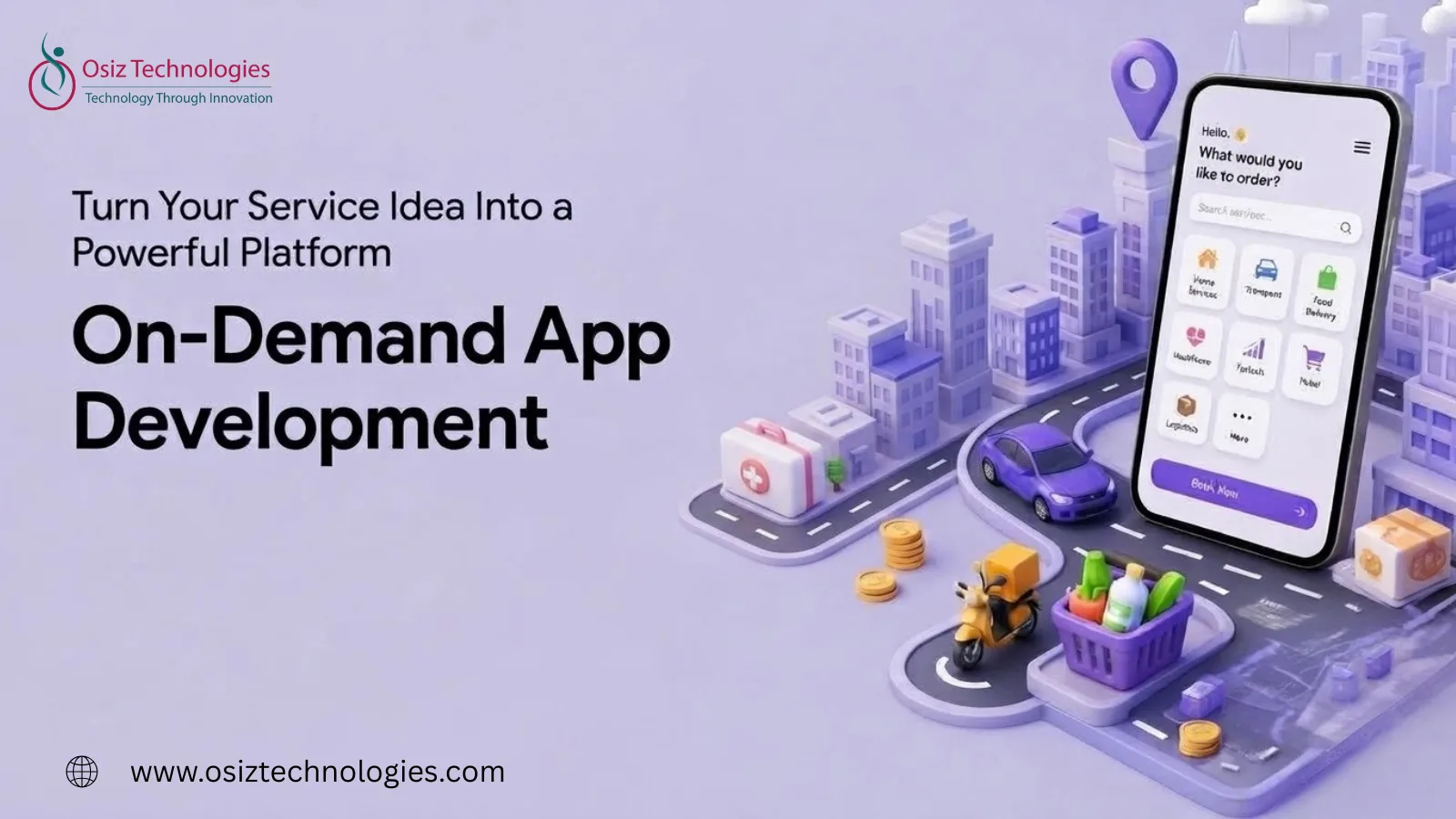
The way customers access everyday services has changed significantly with the growth of digital platforms. From booking a ride to ordering food or hiring a home service, users now expect convenient and faster ways to get what they need.
Businesses can respond to this demand by creating digital platforms that connect customers with service providers. On-Demand App Development provides the technology foundation needed to build these platforms around specific business requirements and target audiences.
Identify Your Business Idea and Target Audience
The first step is to clearly define the service your platform will provide and understand who will use it. Businesses should identify customer needs, service categories, competitors, and the problems their platform aims to solve.
A clear business concept helps determine the required features, platform structure, pricing approach, and overall user experience.
Choose the Right On-Demand Business Model
Different industries require different operating models. A platform may connect customers with independent service providers, partner businesses, or an internal delivery or service team.
Common areas for on-demand platforms include:
- Food and grocery delivery
- Transportation and logistics
- Home maintenance
- Beauty and wellness
- Healthcare services
- Professional services
Selecting the right model helps businesses create workflows that match how their services are delivered.
Build Essential Platform Features
A successful platform should make the experience simple for both customers and service providers. The customer side can include service discovery, booking or ordering, online payments, tracking, notifications, and ratings.
Service providers may need profiles, request management, availability settings, earnings information, and communication tools. An admin panel can help businesses manage users, providers, services, transactions, and platform activity.
Focus on Customization and User Experience
A successful platform should have its own identity rather than simply copying an existing service app. Businesses can customize the interface, branding, service categories, workflows, payment options, and additional functionality.
The user experience should remain simple throughout the journey. Easy navigation, clear service information, quick booking, and transparent order or service status can make the platform more convenient to use.
Integrate Payments and Real-Time Tracking
Secure payment integration allows customers to complete transactions through convenient payment methods. Depending on the business model, platforms can support cards, digital wallets, and other available payment options.
Real-time location tracking can also improve transparency for delivery and transportation services. Customers can view service progress while providers can access relevant location information to complete requests efficiently.
Plan Monetization and Growth
Before launching, businesses should decide how the platform will generate revenue. Options can include service commissions, booking fees, delivery charges, subscriptions, premium listings, advertisements, and promotional services.
The platform should also be built with future growth in mind. Scalable cloud infrastructure, reliable databases, APIs, and analytics can help support increasing users, providers, and transactions.
Test, Launch, and Improve
Testing should cover functionality, payments, security, performance, navigation, notifications, and different device environments before launch. After deployment, businesses can monitor user feedback and platform analytics to identify areas for improvement.
Regular updates can introduce new features, improve performance, strengthen security, and keep the platform aligned with changing customer expectations.
Conclusion
Launching a successful on-demand platform requires more than developing an application. Businesses need a clear service model, simple user experience, essential features, secure technology, effective monetization, and a scalable foundation.
Osiz Technologies is an experienced app development company that helps businesses build customized on-demand applications designed around their service models, target audiences, and long-term growth requirements.