The rideshare industry has transformed the way people commute, offering convenience and cost-effective transportation solutions. With the growing demand for alternative mobility options, launching a Lyft clone app in the US presents a lucrative opportunity for entrepreneurs. However, entering this competitive market requires careful planning, innovative features, and a deep understanding of regulatory compliance. This article will guide you through the essential steps to successfully launch your own rideshare app, from defining your unique selling proposition to implementing effective marketing strategies, ensuring that you are well-equipped to navigate the complexities of the industry.
Understanding the Rideshare Market Landscape in the US
Current Market Trends and Statistics
The rideshare market in the US is booming, with projected revenues hitting over $85 billion by 2027—talk about a sweet ride! As more people opt for convenient transportation options, the demand for rideshare services continues to rise. Additionally, trends show a growing preference for eco-friendly rides, such as electric vehicles. So, if you're thinking about launching your app, remember: going green might just drive you to the bank.
Competitive Analysis of Major Players
When it comes to ridesharing, you’ve got your heavyweights: Uber and Lyft. These titans dominate the ring, but don’t count out smaller players. There’s DoorDash and Via, carving out their own niches. Each competitor has strengths and weaknesses—Uber has the vast network, while Lyft boasts a more user-friendly vibe. Understanding where you can fit in means you won’t just be another fish in a sea of apps, but rather the shark that everyone’s talking about!
Identifying Target Demographics
Your target audience isn’t just a bunch of random riders; they’re unique groups with specific needs. Millennials and Gen Z are all about that easy access and tech-savvy experience. Business professionals often seek reliability and efficiency, while older generations may prioritize safety and affordability. Figure out who your ideal riders are, and tailor your marketing strategies to woo them—after all, you want them to choose you over the competition!
Defining Your Unique Selling Proposition (USP)
Analyzing Competitors' Strengths and Weaknesses
To make a splash, you need to know what others are doing right and where they stumble. Uber's huge driver base is a strong suit, but their customer service sometimes leaves much to be desired—cue the horror stories! Lyft, on the other hand, has built a loyal following through its community-oriented approach. By analyzing these strengths and weaknesses, you can carve out a niche that fills gaps in the market, like a puzzle piece that just fits.
Innovative Features to Stand Out
Want your app to be the shiny new toy everyone wants? Consider features that delight your users. How about an in-app game for riders to earn discounts, or an option for pet-friendly rides? What if you allowed riders to pre-book rides for planned nights out? Get creative! The key is to provide something that leaves a lasting impression (and a much bigger smile) so riders keep coming back for more.
Building Brand Identity
Your brand is more than just a logo—it’s the personality of your app! Consider your tone, your colors, and even your rider experience. Are you the friendly neighborhood rideshare or the luxurious high-end option? Create a brand identity that resonates with your target market. Remember, brands that tell stories and foster connections tend to stick in people’s minds like that last slice of pizza at a party.
Key Features to Include in Your Lyft Clone App
User-Friendly Interface
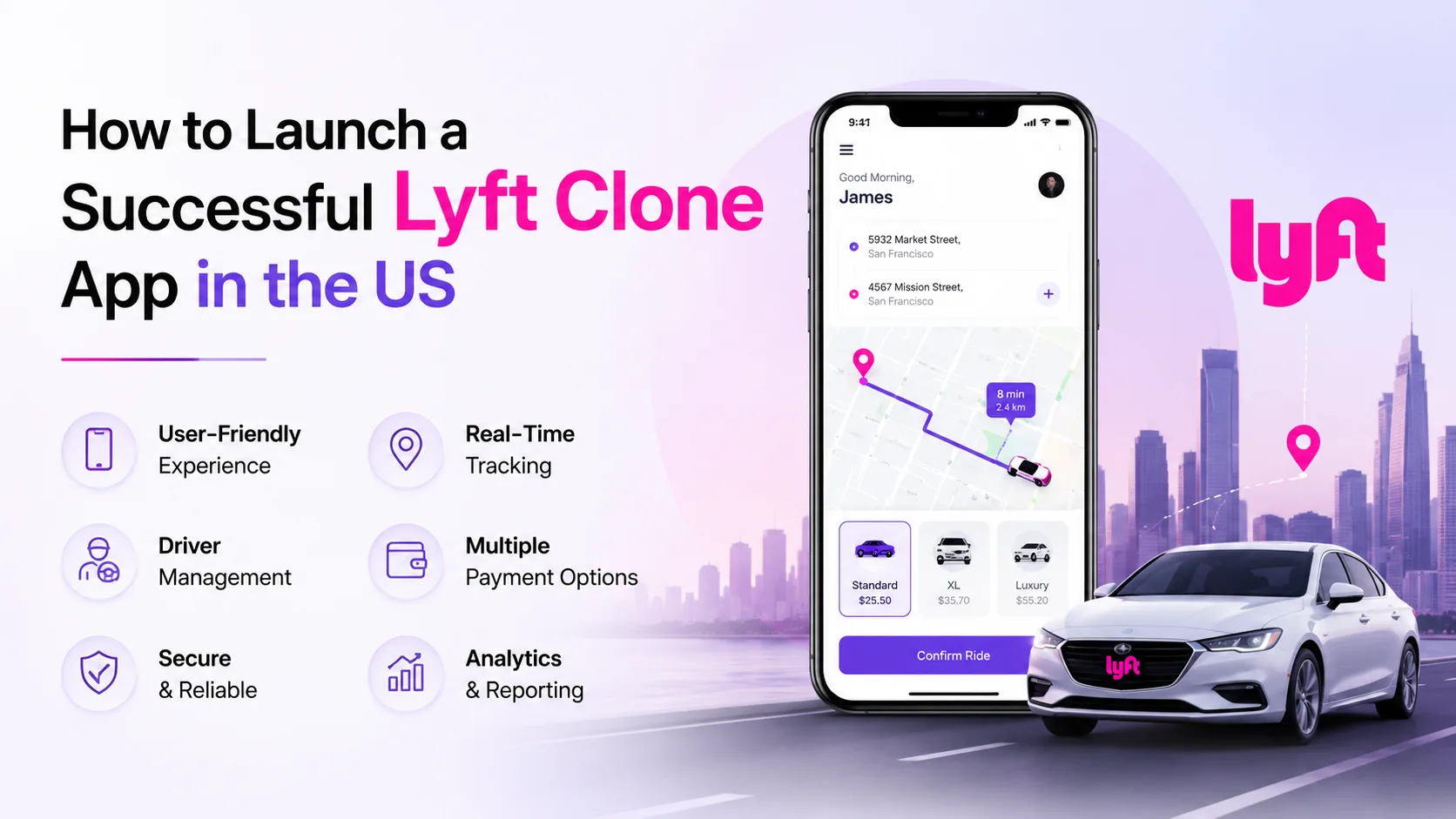
If your app doesn’t look and feel great, users might just close it quicker than a bad Tinder date! Keep your design intuitive and straightforward, with easy navigation and a visually appealing layout. Highlight key functions—like booking a ride—so users know exactly where to click. After all, a well-designed interface isn’t just eye candy; it’s essential for user retention.
Real-time GPS Tracking
Nobody likes playing the waiting game! Integrating real-time GPS tracking allows riders to see exactly where their driver is and when to expect them. This not only boosts transparency but also builds trust. Plus, it’s kind of fun to watch your driver inch closer like they’re in a slow-motion movie—except that it’s not a movie, and you really just want them to hurry up!
Payment Integration Options
Make it easy for riders to pay for their journey—because complicated payment systems are a sure way to get ghosted! Include a variety of payment methods—credit cards, PayPal, or even cryptocurrencies (because why not?). The more options you provide, the more riders will appreciate the convenience of not having to fumble through their wallets mid-ride.
Rating and Review System
A rating and review system is like having a virtual mirror—users can see how they’re doing and improve! It gives riders a chance to express their experiences while helping you maintain service quality. Plus, positive feedback can be a great marketing tool. Just remember, if a user mentions your app in a review, respond like a pro—because a little acknowledgment goes a long way!
Driver and Rider Profiles
Riders love personalized experiences! Allow them to create profiles that save their preferences, favorite routes, or past rides. For drivers, a robust profile can showcase their experience and ratings, giving riders peace of mind. Focus on creating profiles that enable connections, making the rideshare experience feel less transactional and more like a friendly ride with a familiar face.
Choosing the Right Technology Stack
Front-end Development Tools
The front end is where the magic happens! Choose frameworks like React Native or Flutter to create a smooth and engaging user experience. These tools help your app run seamlessly on multiple devices, making it easier to reach a broader audience. Plus, who doesn’t want to impress users with a snazzy interface that makes them feel like they’re on the cutting edge of tech?
Back-end Development Frameworks
The back end is essentially the unsung hero of your app—what makes everything work behind the scenes. Frameworks like Node.js and Django can help you build a robust back-end that handles user data, manages requests, and keeps everything running smoothly. Opt for scalable solutions to handle growth without breaking a sweat, or worse, causing your app to crash during peak hours!
Cloud Hosting Solutions
Say goodbye to server woes with cloud hosting! Solutions like AWS or Google Cloud offer scalability and reliability, which are critical for a rideshare app. You want to ensure your app can handle the influx of users during busy times without going down like a cheap rollercoaster. Plus, cloud services often provide nifty tools for data analytics, so you can keep improving your service over time!
Choosing Between Native and Hybrid App Development
The million-dollar question: native or hybrid? Native apps offer superior performance and user experience, but can be more costly and time-consuming to develop. Hybrid apps provide cross-platform reliability and can be more budget-friendly. Evaluate your target audience, budget, and timeline—because you want to make sure that whatever choice you make doesn’t come back to haunt you like an old college roommate!
Developing a Comprehensive Business Plan
Defining Business Objectives
Before diving headfirst into the world of ride-sharing, it’s crucial to define your business objectives clearly. Ask yourself what you want to achieve: Is it market penetration, revenue growth, or perhaps a foothold in the ever-expanding gig economy? Your objectives should be SMART—Specific, Measurable, Achievable, Relevant, and Time-bound. This will give you a clear roadmap and keep you from veering off into the virtual abyss of uncertainty.
Financial Projections and Budgeting
Ah, finances—the necessary evil of every entrepreneurial venture. Start by estimating startup costs, operational expenses, and revenue projections. Don’t forget to include a buffer for unexpected delights (aka surprises). Create a detailed budget that accounts for everything from app development and marketing to the coffee you’ll need during those late-night brainstorming sessions. A solid financial plan will not only help you manage cash flow but also attract potential investors who want to see the dollars and cents behind your grand vision.
Operational Strategies
Operational strategies are where the rubber meets the road—literally. Outline how you'll manage your fleet, ensure driver safety, and maintain customer satisfaction. Consider implementing a user-friendly app interface, intuitive dispatch systems, and strong customer support. Establishing strong operational protocols will help you run a smooth operation and leave your competitors in the dust—figuratively speaking, of course.
Legal Considerations and Compliance Regulations
Understanding State and Local Regulations
Before you put the pedal to the metal, familiarize yourself with the maze of state and local regulations governing ride-sharing services. Each region can have different rules regarding driver eligibility, vehicle standards, and service operations. A thorough understanding of these regulations will save you headaches down the road—like being pulled over by the legal police when you forget to dot your i’s and cross your t’s.
Insurance Requirements
Insurance—it's not the fun part, but it’s necessary. You’ll need to secure the right coverage for your drivers and passengers. This typically includes liability insurance, collision coverage, and perhaps even personal injury protection. Ensure your policy meets all regulatory requirements and offers the peace of mind necessary for drivers to hit the road with confidence, knowing they’re covered should anything go awry.
Licensing and Permitting
Just when you thought you could launch without a care in the world, enter the realm of licensing and permitting. Obtain all necessary permits and licenses to operate legally in your chosen markets. This may involve both federal and state-level licenses, and depending on your location, you could also be looking at city-specific permits. Think of it as obtaining a VIP pass—without it, you're stuck outside the concert, listening enviously to the tunes you can't join in on.
Marketing Strategies to Attract Users
Utilizing Social Media Advertising
Social media is your best friend when it comes to reaching potential users. Create eye-catching ads and engaging content that speaks to your target audience. Utilize platforms like Instagram, Facebook, and TikTok to showcase your app’s unique features and benefits. Don’t forget to sprinkle in some humor and relatable memes—people love a good laugh as much as they love seamless rides, after all.
Content Marketing and SEO Strategies
Content is king, but only if it knows how to play the game. Craft informative blog posts, engaging videos, and helpful infographics that outline the advantages of your service. Optimize your content for search engines to ensure that when users search for ride-sharing options, your app shows up like a bright neon sign on a dark street—hard to miss and enticing to check out.
Partnerships and Collaborations
Finding the right partnerships can elevate your app's profile faster than you can say “ride-share.” Collaborate with local businesses, universities, or events to offer promotions or discounts. Consider affiliations that resonate with your target audience—like partnering with popular nightlife spots to provide safe rides home after a night out. It’s all about making connections that benefit everyone involved.
User Referral Programs
Everyone loves a good deal, and what better way to spread the word than through a referral program? Encourage existing users to bring their friends aboard by offering incentives like discounts or ride credits. It’s a win-win—you get new users, and they get to save some cash. Plus, who doesn’t enjoy sharing their favorite app with friends like it’s the latest must-try restaurant?
Measuring Success and Scaling Your Lyft Clone App
Key Performance Indicators (KPIs) to Track
To keep your ride-sharing empire on the right track, you need to monitor key performance indicators (KPIs). Track metrics like user acquisition, retention rates, driver availability, and average ride ratings. These numbers will guide your decision-making process and help you identify areas for improvement faster than a speeding car.
Gathering User Feedback for Continuous Improvement
User feedback is like your app’s personal trainer—it helps you bulk up on strengths and trim down on weaknesses. Encourage reviews and ratings, and then actually listen to what your users are saying. Conduct surveys, host focus groups, and invest in an online feedback mechanism that allows users to share their experiences. This insight can guide your efforts to make your service even better, keeping users happy and coming back for more.
Strategies for Scaling Your Business
Ready to take your Lyft clone app from local sensation to nationwide phenomenon? Start exploring expansion strategies, like entering new cities or adding additional services (think groceries, deliveries, or even luxury rides). Ensure your infrastructure can handle increased demand and consider strategic marketing campaigns to introduce your app to new markets. With the right approach, your app could become as ubiquitous as that catchy jingle you can’t get out of your head.In conclusion, launching a successful Lyft clone app in the US is a multifaceted endeavor that requires a solid understanding of the market, strategic planning, and a commitment to innovation. By focusing on the key aspects outlined in this article, from defining your unique selling proposition to implementing effective marketing strategies, you can carve out your niche in the rideshare industry. As you embark on this journey, remember that continuous improvement and adaptation to user feedback are crucial for long-term success. With the right approach, your rideshare app can thrive in a competitive landscape and meet the evolving needs of users.
Frequently Asked Questions (FAQ)
What is a Lyft clone app?
A Lyft clone app is a rideshare application that mimics the features and functionalities of Lyft, allowing users to book rides, track drivers, and make payments through their mobile devices.
How much does it cost to develop a Lyft clone app?
The cost of developing a Lyft clone app can vary widely based on factors such as the complexity of features, technology stack, and the development team's location. Generally, it can range from $30,000 to over $200,000.
What are the legal considerations for launching a rideshare app in the US?
Legal considerations include understanding state and local regulations, obtaining necessary permits and licenses, ensuring compliance with insurance requirements, and adhering to safety standards.
How can I attract users to my Lyft clone app?
Attracting users can be achieved through effective marketing strategies such as social media advertising, referral programs, partnerships, and optimizing your app for search engines to increase visibility.