How to Know When a Home Appliance Needs Repair Instead of Replacement
Home appliances are a major part of everyday life. Refrigerators keep food fresh, washing machines handle laundry, dishwashers save time, and ovens make cooking easier. When one of these appliances starts acting up, homeowners often face the same question: Should I repair it or replace it?
The answer depends on several factors, including the appliance's age, the type of problem, repair costs, energy efficiency, and how frequently the appliance has needed repairs. Understanding these factors can help homeowners avoid spending money unnecessarily.
Start With the Problem
The first step is identifying what is actually wrong with the appliance. Some problems are relatively simple, such as a clogged filter, worn door seal, blocked drain, or loose connection. Other issues may involve important components such as motors, compressors, heating elements, control boards, or electrical systems.
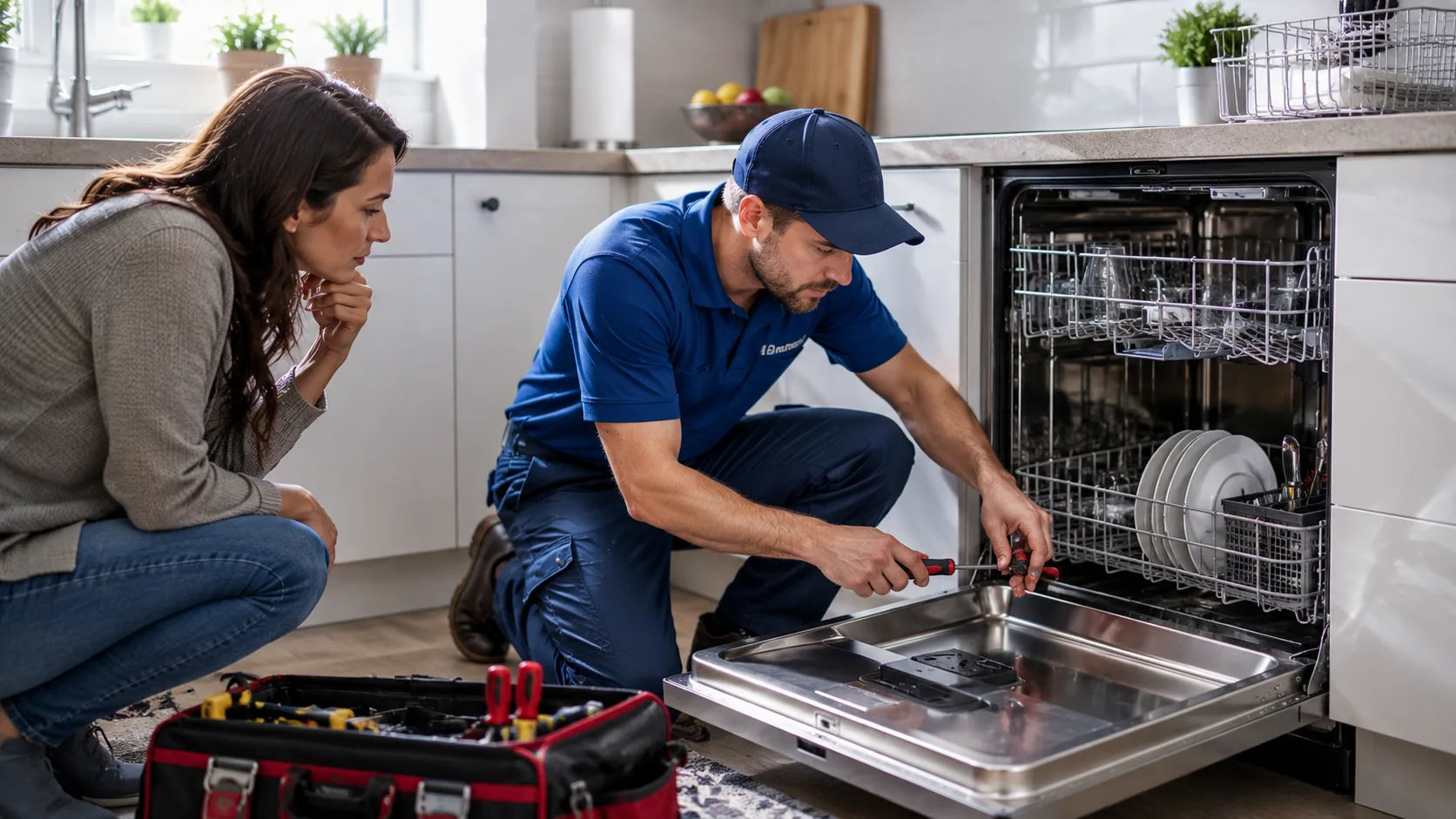
Before purchasing a replacement, it can be worth having the appliance properly diagnosed. A professional technician can identify the source of the problem and explain whether repairing the appliance is a practical option.
For homeowners who need professional appliance repair services, getting an expert assessment can make the decision much easier. Instead of guessing based on a symptom, you can understand what caused the failure and what it may cost to fix.
Consider the Appliance's Age
Age is another important factor when deciding between repair and replacement.
An older appliance may still be worth repairing if the problem is minor and the machine has otherwise performed reliably. However, if an appliance is near the end of its expected lifespan and requires an expensive repair, replacement may provide better long-term value.
For example, replacing a small component in an older washing machine may make sense if the rest of the machine is in good condition. On the other hand, a major repair on an aging refrigerator may require more careful consideration.
Compare Repair Costs With Replacement Costs
Cost should always be part of the decision, but the cheapest immediate option is not necessarily the best one.
Homeowners should compare the estimated repair cost with the price of a suitable replacement. It is also important to consider installation, delivery, disposal, and future maintenance costs when purchasing a new appliance.
If the repair is relatively inexpensive and the appliance has several useful years remaining, repairing it may be the smarter choice. If the repair is extremely expensive or several major components are failing at the same time, replacement could make more financial sense.
Pay Attention to Repeated Breakdowns
One repair does not necessarily mean an appliance needs to be replaced. However, repeated breakdowns can be a warning sign.
If a refrigerator, dryer, dishwasher, or washing machine constantly requires service, repair expenses can quickly add up. Frequent problems may also indicate that the appliance is becoming less reliable.
Keeping a simple record of previous repairs can help homeowners recognize this pattern. If the same appliance has required several significant repairs within a short period, comparing the total repair costs with the price of a new model may be worthwhile.
Think About Energy Efficiency
Energy consumption is another factor that is easy to overlook.
Older appliances can sometimes use more electricity or water than newer models. Even when an older appliance can technically be repaired, a newer energy-efficient model may reduce operating costs over time.
This does not mean every older appliance should automatically be replaced. Instead, homeowners should consider the appliance's current operating cost alongside the repair estimate and expected remaining lifespan.
Don't Ignore Warning Signs
Small problems can sometimes become larger problems when they are ignored.
Unusual noises, burning smells, water leaks, inconsistent temperatures, excessive vibration, poor drying performance, or appliances that repeatedly stop working should not simply be dismissed.
Addressing a problem early may prevent additional damage and can sometimes reduce the overall repair cost. For electrical issues, gas appliances, or problems involving major internal components, professional diagnosis is especially important.
Make the Decision Based on the Bigger Picture
There is no universal rule that says every broken appliance should be repaired or every old appliance should be replaced. The right decision depends on the appliance, its condition, the repair required, and the total cost involved.
A good approach is to get the problem diagnosed, understand the repair options, compare the expected repair cost with replacement costs, and consider the appliance's age and efficiency.
Most importantly, homeowners should avoid making a rushed decision based only on the fact that an appliance has stopped working. In many cases, a repair can restore a reliable appliance and delay the expense of purchasing a replacement.
By evaluating the problem carefully and getting professional advice when necessary, homeowners can make more informed decisions about their appliances and avoid unnecessary expenses.