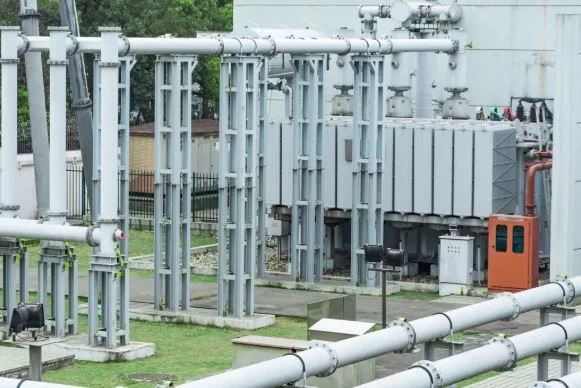
Power outages can happen unexpectedly due to storms, equipment failure, accidents, or overloaded electrical systems. While some blackouts last only a few minutes, others can continue for hours or even days, creating serious challenges for homeowners. During a blackout, families may face safety risks, food spoilage, communication problems, and security concerns. Preparing in advance and knowing what to do during an outage can help protect both your property and your loved ones.
Here are six important ways to keep your home safe during a blackout.
1. Prepare an Emergency Power and Lighting Plan
One of the first problems during a blackout is the sudden loss of lighting. Darkness can increase the risk of falls, injuries, and panic, especially for children and elderly family members. Having an emergency lighting plan ensures everyone can move safely around the house.
Keep flashlights in easily accessible locations such as bedrooms, kitchens, and living rooms. Battery-powered lanterns are also useful because they can illuminate larger areas more effectively than candles. It is wise to store extra batteries in waterproof containers so they remain functional when needed.
Avoid relying heavily on candles because they can become fire hazards if knocked over or left unattended. If candles must be used, place them on stable surfaces away from curtains, paper, and other flammable materials.
Many homeowners also invest in backup power solutions such as portable generators or standby generators. These systems can provide electricity for important appliances including refrigerators, lighting, fans, medical devices, and communication equipment during an outage.
2. Protect Food and Water Supplies
Food safety becomes a major concern during extended blackouts. Without electricity, refrigerators and freezers gradually lose their cooling ability, increasing the risk of food spoilage and foodborne illness.
Keep refrigerator and freezer doors closed as much as possible during a blackout. A refrigerator can usually keep food cold for about four hours if unopened, while a fully stocked freezer may maintain safe temperatures for up to 48 hours.
It is also helpful to keep a supply of non-perishable food items at home. Canned goods, dry snacks, instant noodles, bottled water, and ready-to-eat meals can provide temporary nutrition without requiring refrigeration or cooking.
Clean drinking water is equally important. During severe blackouts, water systems may also experience interruptions. Store enough bottled water for every family member to last at least several days. Experts commonly recommend at least one gallon of water per person per day for drinking and sanitation purposes.
Having a cooler with ice packs available can also help preserve essential food and medications that require cold storage.
3. Use Generators Safely
Generators are extremely helpful during blackouts, but improper use can create dangerous situations. Carbon monoxide poisoning, electrical shock, and fire hazards are common risks associated with unsafe generator operation.
Always place portable generators outdoors in open, well-ventilated areas. Never operate them inside garages, kitchens, basements, or near windows and doors because carbon monoxide gas can quickly build up indoors. This invisible and odorless gas can become deadly within minutes.
Use heavy-duty extension cords designed for outdoor generator use, and inspect cords regularly for damage. Avoid overloading the generator with too many appliances at once, as this may damage both the equipment and connected electronics.
Fuel safety is another important factor. Store gasoline in approved containers away from heat sources and direct sunlight. Turn off the generator and allow it to cool before refueling to reduce the risk of accidental fires.
For homeowners seeking long-term protection during outages, professionally installed standby generators offer a safer and more convenient alternative because they automatically activate when power is lost. Many modern homeowners also prefer using genset silent systems because they operate with lower noise levels, making them more comfortable for residential environments while still providing reliable backup electricity during emergencies.
4. Secure Your Home and Stay Connected
Blackouts can affect neighborhood security systems, outdoor lighting, and communication networks. Homes without power may become more vulnerable to theft or unauthorized access, especially during widespread outages.
Make sure all doors and windows remain locked, even during the daytime. Solar-powered outdoor lights or battery-powered security lighting can help maintain visibility around entry points and reduce security risks.
Keep mobile phones fully charged whenever severe weather or electrical problems are expected. Portable power banks are also valuable for charging phones, radios, and small electronic devices during extended outages.
Battery-powered or hand-crank emergency radios allow families to receive important updates from local authorities when internet service or television broadcasts are unavailable. Staying informed helps homeowners respond quickly to evacuation notices, weather warnings, or restoration updates.
Families should also create a communication plan so everyone knows where to meet or how to contact one another if phone networks become unreliable.
5. Prevent Electrical Damage When Power Returns
Many homeowners forget that the return of electricity can also create problems. Sudden power surges may damage sensitive electronics and appliances when electrical service is restored.
To reduce this risk, unplug expensive devices such as televisions, computers, gaming systems, and kitchen appliances during a blackout. Leave one light switched on so you can immediately notice when power has returned.
Using surge protectors provides additional protection against unexpected voltage spikes. These devices help shield electronics from sudden electrical fluctuations that commonly occur after outages.
After power is restored, reconnect appliances gradually rather than turning everything on at once. This helps reduce strain on your home’s electrical system and may prevent circuit overloads.
If you notice flickering lights, burning smells, or unusual electrical behavior after service returns, contact a qualified electrician immediately to inspect the system.
6. Create a Long-Term Blackout Preparedness Strategy
The best way to stay safe during a blackout is to prepare before one occurs. A long-term emergency preparedness strategy allows families to react calmly and effectively during unexpected situations.
Create an emergency kit containing flashlights, batteries, first aid supplies, bottled water, medications, hygiene products, power banks, and important documents. Store the kit in an easily accessible location known to all family members.
Homeowners should also inspect electrical systems regularly to ensure wiring, outlets, and backup equipment remain in good condition. Preventive maintenance reduces the likelihood of electrical failures and improves overall household safety.
Families living in areas with frequent outages may benefit from installing whole-home surge protection or backup generator systems for added reliability. These investments can help maintain comfort, security, and peace of mind during emergencies.
Practicing emergency drills with household members is another useful step. Everyone should understand how to use flashlights, locate emergency supplies, and respond safely if a blackout occurs at night or during severe weather.
Conclusion
Blackouts are unpredictable, but proper preparation can significantly reduce their impact on your home and family. By planning ahead, storing emergency supplies, protecting food and water, using generators safely, and maintaining communication, homeowners can stay safe and comfortable during power outages.
Simple precautions taken today can prevent accidents, property damage, and unnecessary stress in the future. Whether a blackout lasts a few minutes or several days, being prepared ensures your household can respond confidently and safely when the lights go out.