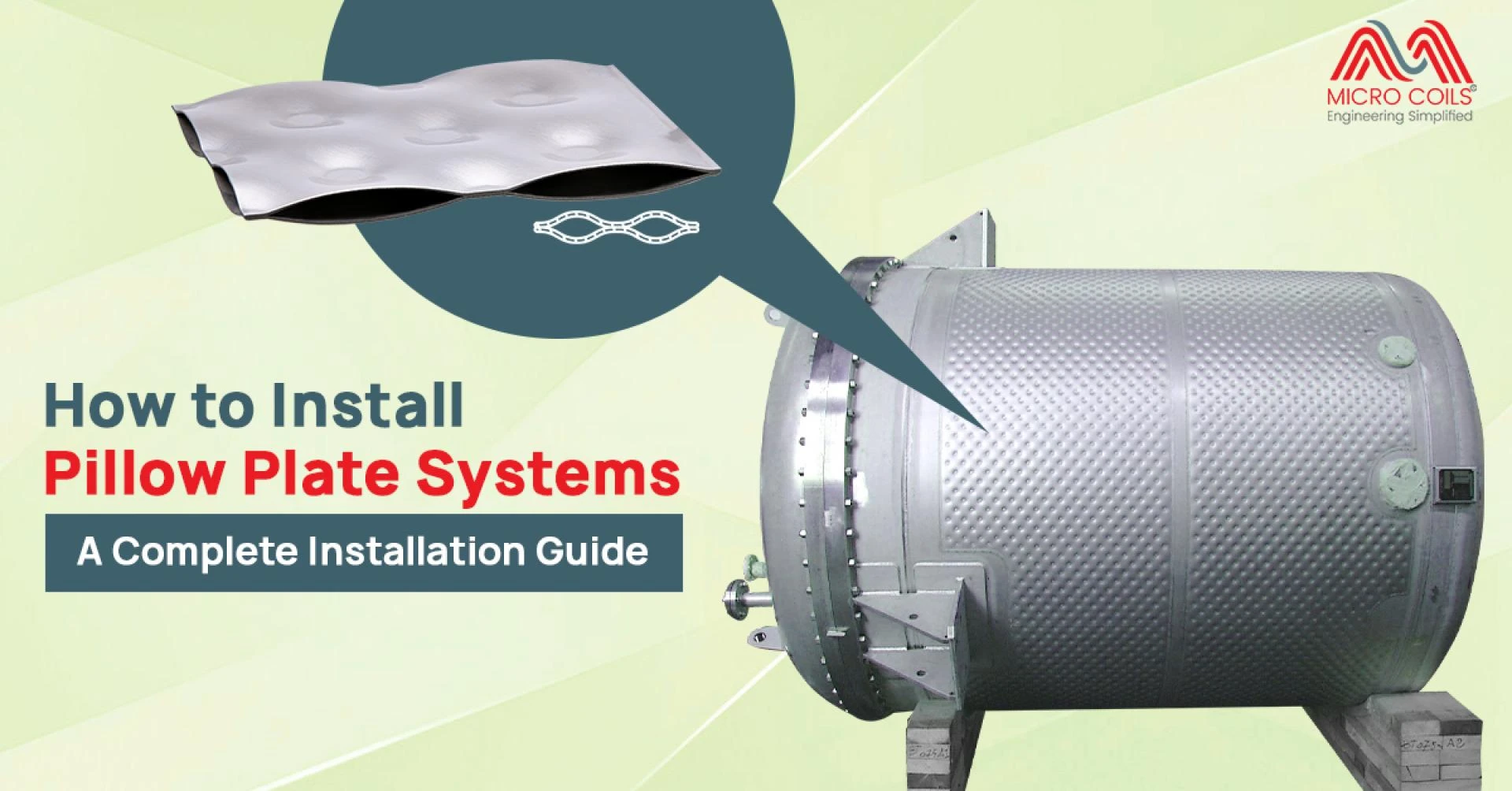
Industrial thermal management has evolved dramatically over the past decade, with innovative technologies emerging to meet increasingly demanding cooling and heating requirements. Pillow plate manufacturers represent one of the most significant advances in heat exchanger manufacturer technology, offering exceptional performance in applications where traditional methods fall short. These unique cooling solutions consist of two metal plates welded together with an embossed pattern that creates internal channels for fluid flow, resulting in superior heat transfer characteristics while maintaining structural integrity.
Understanding Pillow Plate Technology
Before beginning any installation project, it's crucial to understand what makes pillow plate systems different from conventional heat transfer equipment. The manufacturing process involves laser welding two sheets of stainless steel or other suitable materials along predetermined patterns, creating internal passages that expand when pressurized with heat transfer fluid. This expansion gives the plates their characteristic "pillow" appearance while maximizing contact area between the heat transfer surface and the process medium.
Applications for these systems span numerous industries including chemical processing, food and beverage production, pharmaceutical manufacturing, and renewable energy. Each application presents unique installation challenges that require careful planning and attention to detail. Understanding your specific application requirements helps ensure proper system selection and installation procedures that will deliver optimal performance for years to come.
Pre-Installation Planning and Assessment
Successful pillow plate installation begins long before any physical work starts. Site surveys must evaluate available space, structural support requirements, access for maintenance, and integration with existing systems like refrigeration coils or ac condenser coil arrangements.. Measure all relevant dimensions carefully, including ceiling height, floor loading capacity, and clearances needed for proper operation and future service work. Document existing piping, electrical connections, and control systems that will interface with the new installation.
Structural analysis becomes particularly important for large pillow plate systems that may weigh several thousand pounds when filled with heat transfer fluid. Verify that floor loading, wall mounting points, or overhead support structures can safely handle both static and dynamic loads. Consider thermal expansion effects that may create additional stresses on mounting hardware and connecting piping during temperature cycling.
Tools and Materials Preparation
Gather all necessary tools and materials before beginning installation work to minimize project delays and ensure quality results. Basic hand tools including wrenches, socket sets, levels, and measuring devices form the foundation of any installation toolkit. Specialized equipment may include lifting devices, pipe threading machines, welding equipment, and pressure testing apparatus depending on system complexity and connection requirements.
Material preparation requires careful attention to component compatibility and quality standards. Verify that all gaskets, fittings, and connection hardware match system specifications and operating conditions. Check pillow plates for shipping damage, proper dimensions, and correct port locations before beginning installation work. Any discrepancies should be resolved with pillow plate manufacturers in India before proceeding with installation activities.
Safety Considerations and Protocols
Industrial installation work presents numerous safety hazards that require comprehensive safety planning and strict adherence to established protocols. Develop written safety procedures covering all aspects of the installation including lifting operations, confined space entry, hot work permits, and lockout/tagout procedures for existing equipment. Ensure all personnel involved in the installation have appropriate training and certification for their assigned tasks.
Personal protective equipment requirements vary depending on installation conditions but typically include hard hats, safety glasses, steel-toed boots, and cut-resistant gloves. Respiratory protection may be necessary when working in areas with chemical exposure or poor ventilation. Fall protection equipment becomes essential for elevated work, while electrical safety procedures protect against shock hazards during control system connections.
Mounting and Positioning Systems
Proper positioning represents one of the most critical aspects of pillow plate installation, as incorrect placement can lead to operational problems, maintenance difficulties, and premature system failure. Begin by establishing reference points using surveying equipment or precision measuring tools to ensure accurate placement according to design drawings. Mark all mounting locations clearly and verify measurements multiple times before drilling or cutting operations.
Lifting and positioning large pillow plate assemblies requires careful planning and appropriate equipment. Use properly rated lifting devices including cranes, hoists, or forklifts with certified operators who understand the specific requirements of your installation. Support the plates adequately during positioning to prevent damage from flexing or twisting forces that could compromise structural integrity or welded seams.
Piping Connections and Integration
Piping connections must be made with extreme care to ensure leak-free operation and proper fluid distribution throughout the pillow plate system. Clean all pipe ends and fittings thoroughly to remove mill scale, dirt, or other contaminants that could interfere with proper sealing. Use appropriate thread sealants or gasket materials specified by the system designer, taking care not to over-tighten connections that could damage threads or sealing surfaces.
Consider thermal expansion effects when routing piping to and from pillow plate connections. Rigid piping systems may require expansion joints or flexible connections to accommodate dimensional changes during heating and cooling cycles. Support all piping adequately to prevent stress on pillow plate connections, which could lead to fatigue failures over time. Install isolation valves and drain connections as specified to facilitate maintenance and winterization procedures.
Electrical and Control System Integration
Modern pillow plate installations often include sophisticated control systems that monitor temperatures, pressures, and flow rates while automatically adjusting operating parameters to maintain optimal performance. Plan electrical installations carefully to comply with applicable codes while providing reliable operation in industrial environments. Use appropriate conduit, wire types, and junction boxes rated for the installation environment and operating conditions.
Temperature and pressure sensors require precise placement to provide accurate system feedback without interfering with normal operation. Install sensors in locations that represent actual operating conditions while allowing easy access for calibration and maintenance activities. Consider redundant sensing for critical applications where system failure could result in product loss or safety hazards.
System Testing and Commissioning
Comprehensive testing procedures verify that pillow plate systems operate correctly and safely before being placed into service. Begin with visual inspections of all connections, supports, and system components to identify any obvious problems or installation defects. Check that all isolation valves operate properly and that drain connections function as intended for maintenance and emergency procedures.
Pressure testing represents the most critical phase of system commissioning, as it verifies structural integrity and leak-free operation under design conditions. Follow established procedures for gradually increasing system pressure while monitoring for leaks or unexpected pressure drops. Use appropriate test fluids and safety procedures to minimize risks during testing operations. Document all test results and maintain records for future reference and warranty purposes.
Fluid Filling and Initial Operation
System filling requires careful attention to proper procedures that prevent air entrapment, contamination, or damage to system components. Begin by ensuring all drain valves are closed and venting connections are properly configured to allow air removal during filling operations. Use clean, filtered heat transfer fluid that meets system specifications and compatibility requirements with pillow plate materials and sealing components.
Fill systems slowly to allow air removal and prevent hydraulic shock that could damage internal components. Monitor fluid levels and pressures continuously during filling operations, stopping immediately if unexpected conditions develop. Cooling solutions often require specific fluid temperatures during initial filling to ensure proper thermal performance and prevent thermal shock to system components.
Performance Verification and Optimization
Once systems are filled and initial startup procedures are complete, comprehensive performance testing verifies that actual operation matches design specifications. Monitor key parameters including fluid temperatures, pressures, flow rates, and heat transfer rates while comparing results to predicted performance values. Document any discrepancies and investigate potential causes including flow distribution problems, fouling, or installation defects.
Optimization procedures may involve adjusting flow rates, operating temperatures, or control system parameters to achieve maximum efficiency and performance. Make changes gradually while monitoring system response to ensure stability and proper operation. Consider long-term performance trends that may indicate maintenance needs or opportunities for further optimization.
Maintenance Access and Documentation
Plan maintenance access requirements during installation to ensure future service work can be performed safely and efficiently. Provide adequate clearances around pillow plates, control systems, and connection points to allow routine maintenance activities without system shutdown or major disassembly operations. Install permanent access platforms, lighting, and safety equipment where required for elevated work areas.
Comprehensive documentation including installation drawings, test records, operating procedures, and maintenance schedules provides essential information for long-term system success. Organize documentation in accessible formats that can be easily updated as systems are modified or upgraded over time. Train operating personnel on proper procedures and safety requirements specific to pillow plate system operation and maintenance.
Long-Term Success Factors
Successful pillow plate installation extends far beyond initial startup and commissioning activities. Establish regular inspection schedules that monitor system condition and performance trends over time. Develop relationships with qualified service providers who understand pillow plate technology and can provide expert support when problems develop or upgrades become necessary.
Consider future expansion or modification requirements when planning installations, as proper initial design can significantly reduce costs and complexity of later system changes. Maintain spare parts inventories appropriate for your application and operating conditions while staying current with technology developments that might offer performance or efficiency improvements for your specific application requirements.