
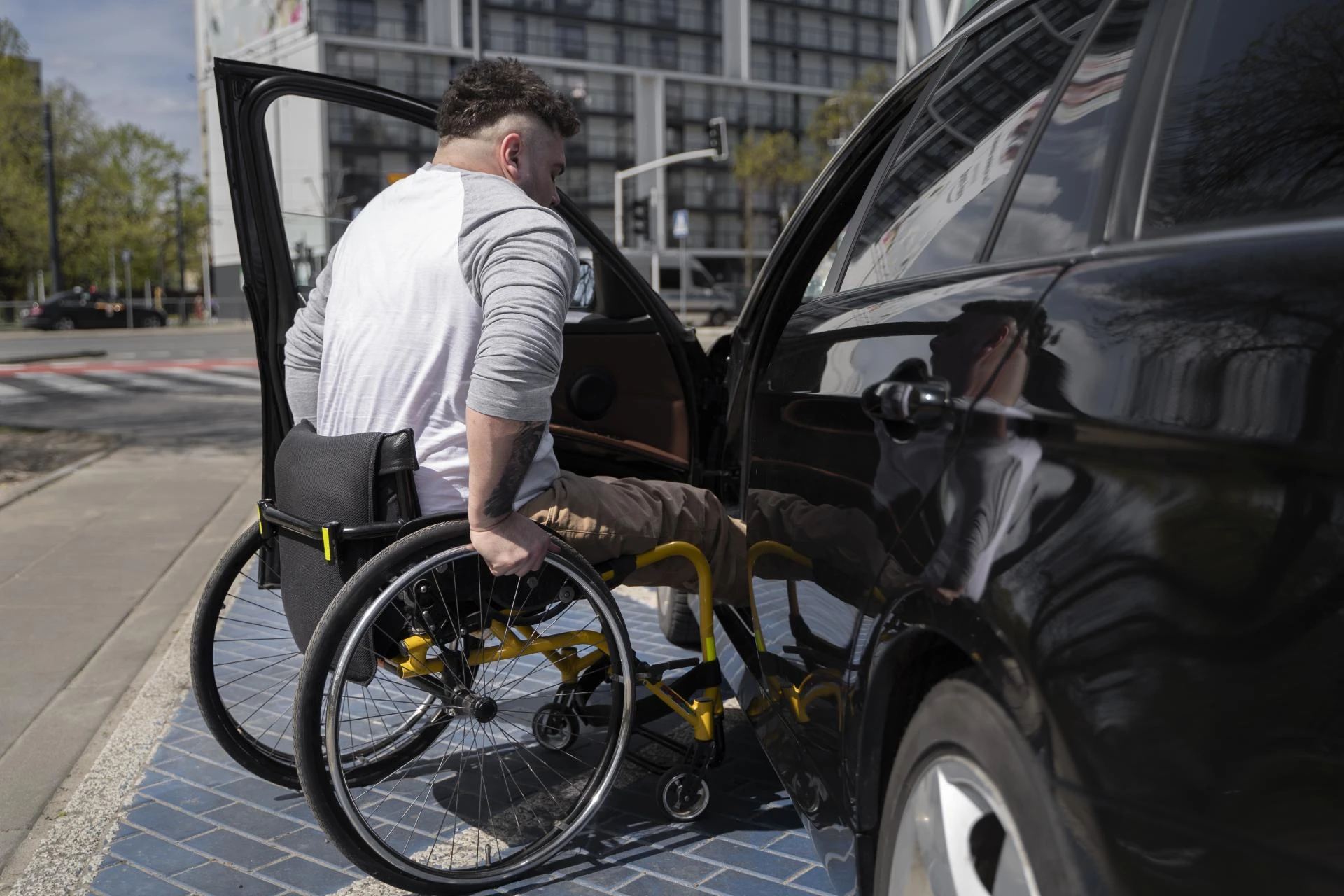
Accessible transportation makes life easier and more independent, especially when you need to travel with medical equipment. But bringing devices like oxygen tanks, CPAP machines, insulin pumps, or portable ventilators involves planning and care.
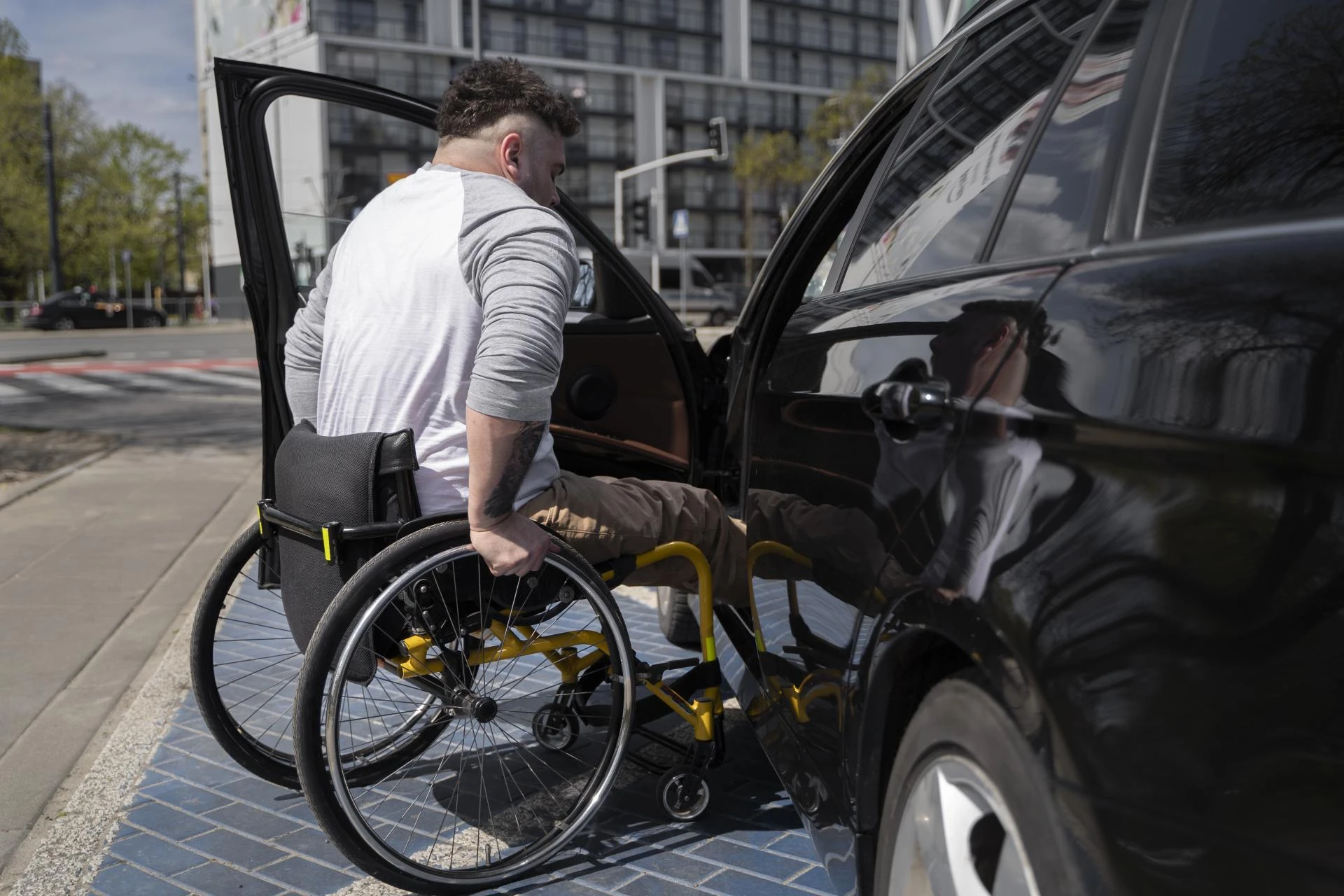
We'll go over everything in detail in straightforward English in this guide:
- ✅ What types of medical gear do people often travel with
- ✅ How to pack and transport them safely
- ✅ What to ask your transport company in advance
- ✅ Tips for loading, securing, and operating gear in the vehicle
- ✅ Troubleshooting common issues on the road
- ✅ A checklist to make travel smooth and stress-free
Whether you're traveling in a wheelchair-accessible taxi, minibus, or WAV, this guide will help you handle your medical equipment like a pro.
1. Identify the Medical Equipment You’re Bringing
Let’s start by listing what medical equipment you might need:
- Oxygen systems – Portable oxygen concentrators (POCs) or oxygen cylinders
- CPAP or BiPAP machines – Used for sleep apnea, with masks and hoses
- Insulin and Diabetic supplies – Pens, vials, pumps, and sharps cases
- Mobility gear – Powered wheelchairs, scooters, battery packs
- Portable ventilators or suction machines
- Nebulizers or feeding pumps: For respiratory therapies or tube feeding
Every item needs safe handling. Think about:
- How much space does it take up
- How heavy it is
- Whether it needs power
- If it’s fragile or requires temperature control
Make a simple list of what you’re bringing to check as you pack and ride.
2. Talk to Your Transport Provider Before You Travel
Talking to the accessible transport company ahead of time helps ensure your medical gear travels safely.
Here’s what to ask:
- Can the vehicle accommodate my wheelchair and medical equipment together?
- Is there space to safely secure oxygen tanks or battery packs?
- Are there people trained to help with medical devices?
- Do they provide power outlets? How long do they stay on?
- Is there coverage for delays? What happens if the vehicle breaks down?
- What’s the vehicle type? A WAV or minibus with ramp entry might work best
- What are loading and unloading procedures? This helps avoid confusion during your ride.
When you book, provide:
- A list of all equipment
- Weight and size details
- Any special needs (like extra space or power)
It’s best to confirm these details at least a week before travel. It gives time to arrange the right vehicle and trained staff. https://oxomobility.co.uk/
3. Pack Your Equipment Carefully
Packing your medical gear correctly is key to safe travel.
A. Oxygen Tanks and Concentrators
- Remove mouthpieces and mask, put them in a sealed bag
- Fix tanks upright in a secure holder or strap
- Keep concentrators upright to prevent damage
B. CPAP/BiPAP Machines
- Use a soft-sided case with foam inserts to protect hoses
- Pack mask, tubing, and filters separately in a small bag
- If necessary, include a container of distilled water and a bottle of clean water.
C. Insulin and Diabetic Supplies
- Use an insulated pouch or travel organizer
- Keep vials/carts upright and cool (use an ice pack if needed)
- Pack a sharps case for syringes and needles
D. Battery-Powered Devices
- Charge battery packs before travel
- Put each battery in its protective pouch
- Label them clearly so they get treated as fragile or specialty items
E. Other Devices (Ventilators, Feeder Pumps)
- Keep manuals or quick-start guides handy
- Keep tubing separate and avoid tangles
- Include backup equipment if space allows
Tip: Use clear plastic bags so staff can see what’s inside without opening everything.
4. Secure Equipment in the Vehicle
Once inside the accessible vehicle, it’s essential to secure everything properly:
A. Positioning
- Place oxygen tanks upright near the wheelchair
- Insulin and CPAP bags can be placed on the seat next to you or on the wheelchair footrest.
- Battery packs stay off the floor to avoid water, kicks, or jolts
B. Securing Gear
- Use seatbelts or straps to keep bags steady
- Use the vehicle's tie-down points to secure larger cases if it has them.
- Avoid placing anything near someone’s feet or on the floor where it can roll
C. Power Outlets
- Find out if the car has a USB or 12V outlet.
- Plug in your concentrator or CPAP if needed—battery drains fast if unplugged
- Make sure that no one is tripped by the cords.
D. Communication
- Tell the driver which device needs attention (e.g., “This breathing machine is on now”)
- Let them know if they need to slow down or avoid bumps due to fragile gear
5. Operating Equipment During Travel
A. Oxygen Equipment
- Keep flow rates as prescribed
- Inform the driver that the oxygen tubing must stay connected
- Monitor oxygen levels regularly
- Prepare a contingency plan in case something goes wrong.
B. CPAP/BiPAP
- Set it up somewhere flat and stable
- Let the driver know you’re going to use it and why (e.g., to keep breathing steady)
- Make sure filter covers are on and the humidifier (if used) is secure
C. Diabetic Supplies
- Check sugar levels and store snacks in case of delays
- Keep sharps locked in their case—not loose in the bag
D. Battery-Powered Devices
- Watch battery levels and limit use if needed
- Recharge devices during breaks or while you wait
- Keep spare batteries nearby
6. Handling Emergencies and Unexpected Issues
Even with planning, problems can happen. Be ready with a plan.
A. Equipment Malfunction
- Carry backup supplies (cables, filters, tubing)
- Save manuals or a cheat sheet for quick troubleshooting
- Know how to switch to a backup device if yours fails
B. Vehicle Breakdown
- Keep the provider's emergency number handy
- Carry your own car charger or power adapter
- Pack snacks and warm clothing in case you’re stranded
C. Medical Alarms or Alerts
- Inform the driver of your condition and gadget details.
- Store important info (e.g., oxygen concentration, insulin dose) in your phone
7. Returning Home: Unloading and Maintenance
When your ride ends:
- Carefully unload equipment in the same setup
- Inspect each item: no damages, spills, or dents
- Plug your batteries immediately to recharge
- Wipe and clean anything that touched the ground or seats
- Repack securely if you’re transferring again (e.g., into a car or another taxi)
Cleanliness is key—especially for equipment used for breathing or meals.
8. Packing Checklist: Quick Summary
Use this checklist before leaving:
- List of all your devices, weights, and sizes
- Packing materials (cables, hoses, straps)
- Backup supplies (filters, tubing, snacks, water)
- Contact info for transport provider
- Battery chargers and spares
- Vehicle confirmation printout
- Medical documentation
9. Final Tips for Safe and Smooth Travel
- Book early and clearly explain your needs
- Select minibuses or WAVs with ramps and adequate room.
- Ask about trained drivers who can help with equipment
- Stay with your gear while loading and unloading—don’t let it out of sight
- Label everything with your name and contacts
- Bring food, water, warm clothing, and pain medication in case of delays.
- Practice loading/unloading at home until it’s easy
- Be patient—everyone wants to help, and kindness goes a long way
Conclusion
Traveling with medical equipment in an accessible vehicle doesn’t have to be overwhelming. With preparation, smart packing, and communication, you can go anywhere—confidently and safely.
Whether it’s a wheelchair taxi, a WAV minibus, or a custom transport service like OXO Mobility, knowing how to manage your gear turns a necessary ride into a smooth experience. Secure your oxygen machine, strap down your insulin kit, plug in your battery pack—and go out with confidence. Accessible travel opens the door to new possibilities. With this guide in your pocket, you’re ready to explore the world—one journey at a time.