Gaps between teeth are common and can occur for several reasons. Some people naturally have spaces between their teeth, while others develop gaps because of tooth loss, changes in the gums, or shifting teeth over time. Although a gap may not always cause a dental problem, many people choose to address it because they want a more balanced and confident smile. Fortunately, modern dentistry offers several ways to close or improve unwanted spaces.
What Causes Gaps Between Teeth?
A space between two teeth is often called a diastema. It can develop because of the natural size and shape of the teeth, jaw development, or the position of the tissues surrounding the teeth. In some cases, childhood habits or an unusually large tissue attachment between the front teeth can contribute to spacing.
Gaps may also appear after tooth loss. When a tooth is missing, neighboring teeth can gradually move into the empty space. Gum disease may also contribute to changes in tooth position, particularly when the supporting tissues and bone become weakened. Because the underlying cause varies, a dental examination is important before choosing a treatment.
Cosmetic Bonding for Small Gaps
Dental bonding can be a simple option for improving certain small spaces. During the procedure, a tooth-colored composite material is carefully applied to the teeth and shaped to create a more natural appearance. The material is then hardened and polished.
Bonding is generally conservative because it may require little or no removal of healthy tooth structure. It can be especially useful when a patient wants a subtle cosmetic improvement without extensive treatment.
Orthodontic Treatment for Tooth Spacing
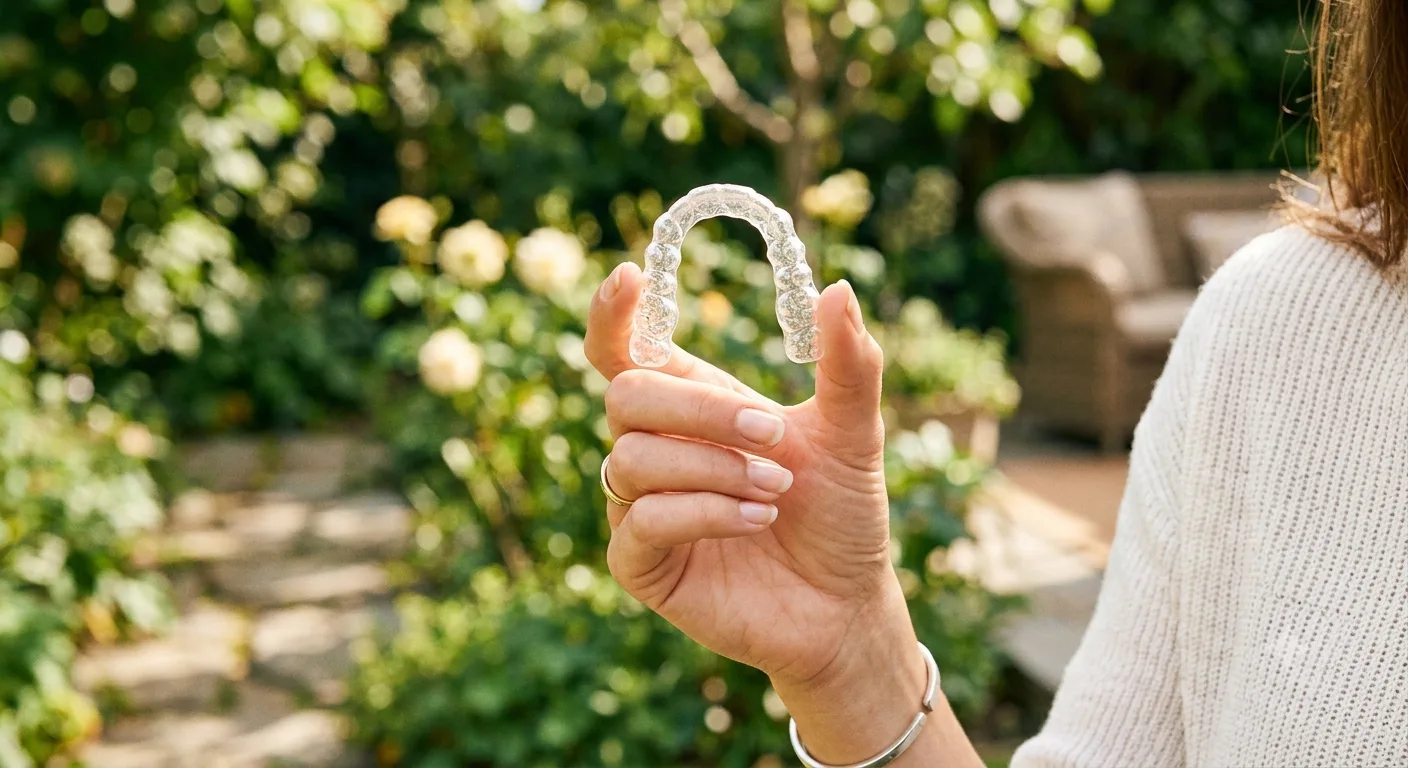
Braces and clear aligners can gradually move teeth into more appropriate positions. Orthodontic treatment may be considered when gaps are related to tooth alignment or spacing throughout the dental arch.
A dentist or orthodontic professional can evaluate the bite, tooth position, and overall oral health to determine whether orthodontic correction is appropriate. Treatment length varies depending on the complexity of the spacing and the individual's needs.
Dental Veneers for a Smile Makeover
Porcelain veneers can improve the appearance of certain spaces while also addressing concerns such as uneven tooth shape, discoloration, or minor size differences. These thin restorations are designed to fit over the visible surfaces of teeth and create a more uniform smile.
Veneers are not suitable for every patient. Healthy teeth and gums are important considerations, and a dental professional should assess the teeth before treatment.
Replacing Missing Teeth
When a gap exists because a tooth is missing, simply closing the space cosmetically may not always be the best solution. Replacing the missing tooth can help restore chewing function, appearance, and overall dental stability.
Depending on the location of the missing tooth and the condition of the surrounding tissues, options may include a dental bridge, removable denture, or dental implant. A professional evaluation can help determine which approach provides the most suitable long-term result.
Choosing the Right Treatment
The best way to fill a gap depends on why the space exists, the condition of the surrounding teeth and gums, the patient's bite, and the desired cosmetic outcome. A thorough dental examination allows the cause to be identified before treatment begins.
Closing a gap should not be based only on appearance. Healthy gums, stable teeth, proper function, and good oral hygiene all contribute to a successful result. With the right approach and professional guidance, unwanted spaces can be improved while maintaining a healthy, natural-looking smile.