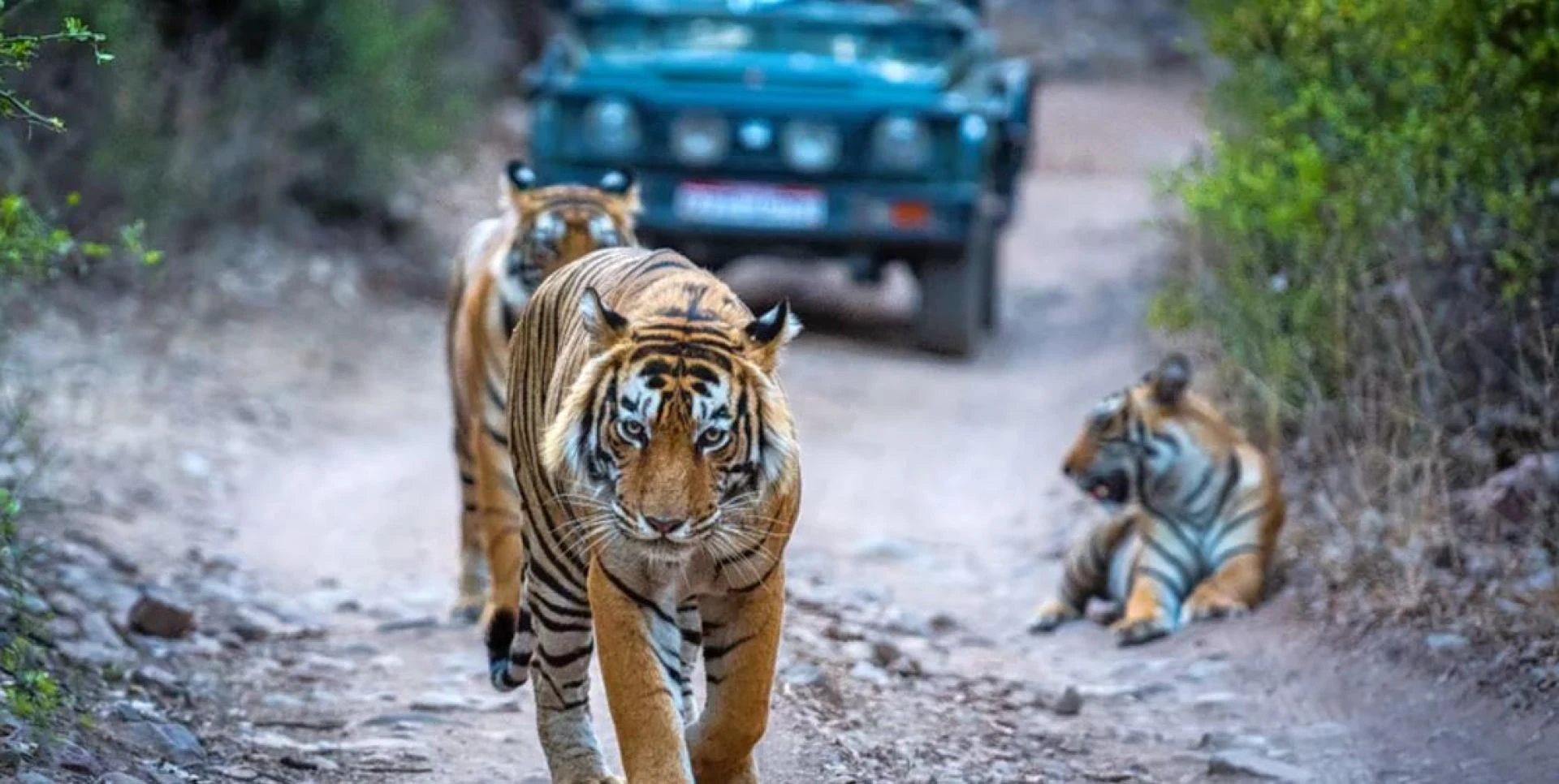
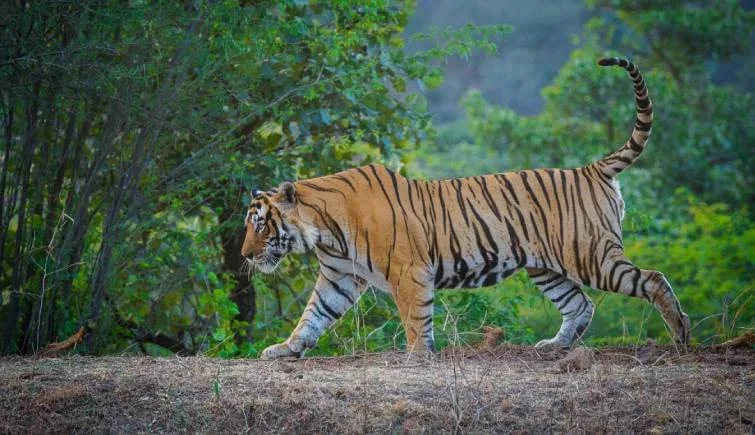
Ranthambore National Park in Rajasthan represents one of India's premier tiger reserves, where dry deciduous forests, rugged hills, and medieval ruins form the natural habitat of the Royal Bengal tiger. Planning a 72-hour wildlife expedition requires a clear understanding of the park's ten distinct safari zones, territorial movements of resident big cats, and seasonal dynamics. Choosing a comfortable resort in Ranthambore ensures you are strategically positioned near key entry gates for early morning and late afternoon game drives.
Understanding the Safari Zone Architecture
The reserve spans ten designated zones managed by the Rajasthan Forest Department to prevent tourist congestion and protect wildlife corridors. Zones 1 through 5 constitute the core heritage territory featuring natural lakes like Padam Talao, Rajbagh, and Malik Talao. Zones 6 through 10 encompass buffer and highland habitats, including open grasslands, rugged valleys, and riverbanks that house distinct resident cats and rare avian species. For optimal sighting success across three days, securing permits across a balanced mix of core and buffer zones is recommended.
Day 1: Arrival and The Waterhole Hotspots
Begin your journey by arriving at Sawai Madhopur around noon to check in and refresh before your first afternoon game drive. An afternoon excursion into Zone 2 or Zone 3 serves as an ideal entry into the reserve.
Afternoon Game Drive: Zone 2 or 3
- Zone 2 (Jogi Mahal Trail): Home to crucial perennial water points such as Phuta Kot, Jhalra, and Nal Ghati. This zone features dense tree cover where predators rest during warmer hours.
- Zone 3 (Lake District): Features panoramic vistas of Padam Talao and the ancient Raj Bagh ruins. Sambar deer grazing in aquatic weeds frequently draw tigers toward the shoreline.
- Evening Relaxation: Conclude the drive with dinner at your lodge while listening to naturalists analyze alarm calls and tracking data gathered throughout the day.
Day 2: Exploring Core Territories and Historic Landmarks
A comprehensive three-day plan maximizes field time with morning and afternoon game drives while dedicating midday hours to local heritage. Tailored Ranthambore tour packages typically handle these split-schedule logistics seamlessly.
Morning Game Drive: Zone 4 or 5
- Zone 4 (Malik Talao & Lakkad Da): Historically famous for legendary tigress lineages, this route winds through stream beds and open waterholes that offer clean sightlines for photography.
- Zone 5 (Kachida Valley): Characterized by dense Dhok trees, steep rocky escarpments, and banyan groves, providing prime territory for both tigers and leopards.
Midday Excursion: Ranthambore Fort
Spend the midday break visiting the 10th-century UNESCO World Heritage Site of Ranthambore Fort, situated atop a plateau overlooking the entire sanctuary. Visit the Trinetra Ganesh Temple and take in panoramic views of the water bodies where wildlife congregates.
Afternoon Game Drive: Zone 1
- Zone 1 (Singh Dwar): The entry through Singh Dwar leads along Tuti ka Nalla and Amreshwar Dang, an active buffer route with frequent sightings around narrow rocky valleys.
Day 3: Buffer Zone Tracking and Departure
Conclude the trip with a final morning game drive targeting outer zones before packing up and heading home. The buffer zones provide a tranquil experience away from mainstream vehicular routes.
Morning Game Drive: Zone 6 or 8
- Zone 6 (Kundal): Features open savannah-like landscapes backed by the Aravalli hills, where tigers, gazelles, and endangered vultures roam.
- Zone 8 (Balas): Rugged terrain known for rocky outcrops, steep ravines, and high chances of spotting solitary male tigers and leopards.
Booking an organized jungle safari in Ranthambore in an open 4x4 Gypsy is widely regarded by wildlife trackers as the best vehicle option for swift maneuvers and quiet navigation across narrow jungle paths.
Essential Tips for Safari Planning
- Advance Permit Booking: Safari permits are limited and strictly regulated by the state forest department; book at least 90 days in advance to secure preferred core routes.
- Seasonal Variations: The dry summer months of April through June offer high sighting rates near drying waterholes, whereas October through March provides comfortable temperatures and lush landscapes.
- Field Gear: Carry wide-range zoom lenses (100–400mm or 200–600mm), compact binoculars, dust covers, and earth-toned clothing.
- Track Interpretation: Trust your assigned park guide and driver to interpret pugs marks, scratch trees, and distress calls from spotted deer and langurs to locate moving predators.