
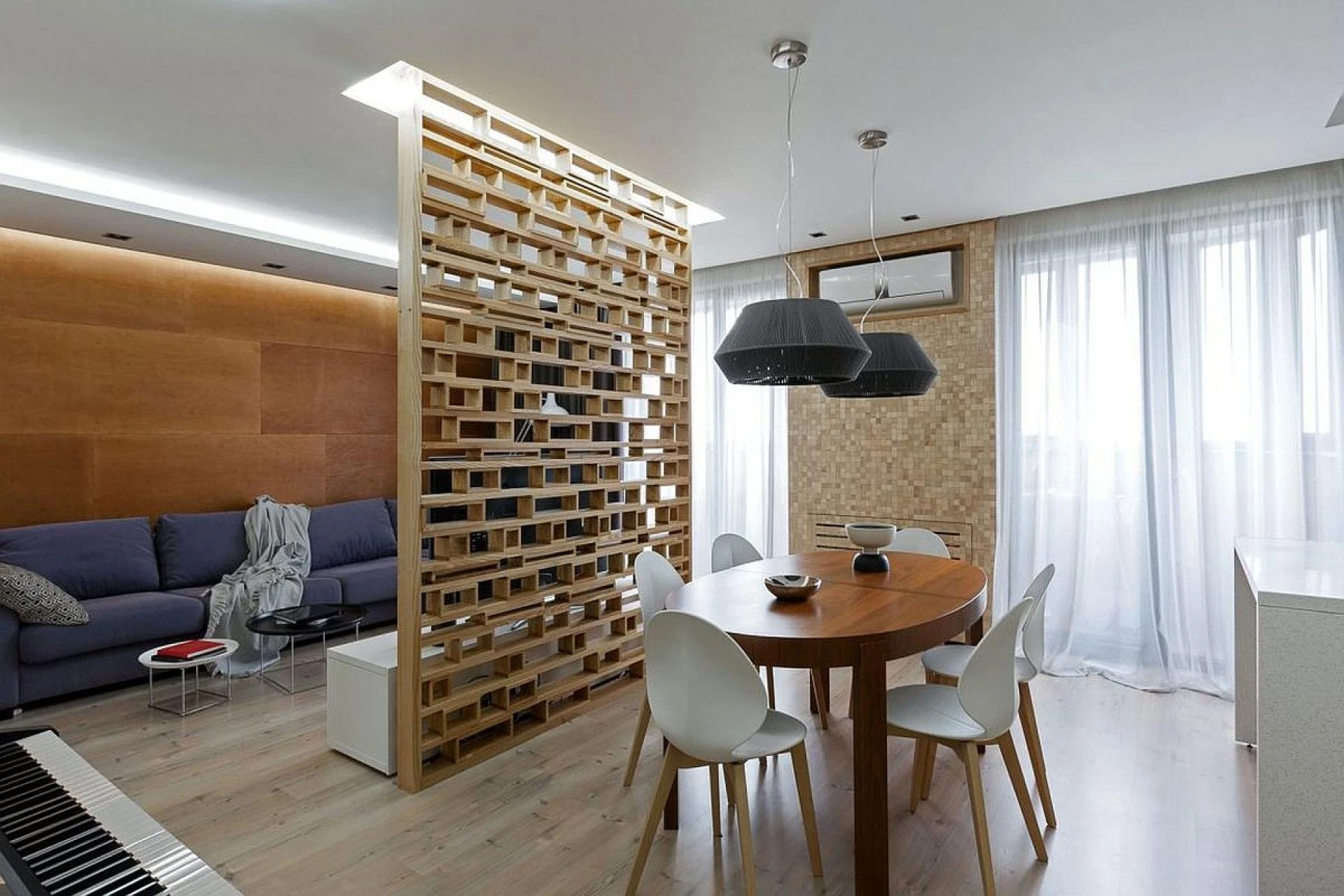
Open spaces breathe life into environments. They encourage movement, foster connection, and amplify natural light. Yet these expansive areas often require thoughtful division to support diverse activities, create visual interest, and establish psychological boundaries that help occupants navigate environments intuitively. The art of dividing space without constructing permanent walls represents sophisticated spatial design creating distinctions without disconnection, boundaries without barriers, and definition without division.
Vertical Planes: Rising Above Traditional Partitions
Modern solutions to space division often draw inspiration from classroom furniture design principles where mobility, flexibility, and multi-functionality reign supreme. Vertical elements create powerful psychological boundaries while maintaining visual connection through partial-height solutions that define areas without ceiling-to-floor obstruction. These thoughtfully designed dividers transform spaces instantly while preserving airflow, light transmission, and the fundamental openness that makes expansive spaces so appealing.
Folding screens offer perhaps the most adaptable vertical division option. Contemporary versions feature hinged panels that stand independently, allowing infinite repositioning as needs change. Materials range from traditional wood frames with fabric inserts to modern acrylic panels that transmit light while providing visual separation. Perforated metal screens combine durability with visual lightness, creating patterns that divide space while maintaining connection through carefully designed openings.
Room dividers mounted on ceiling tracks provide substantial division with unprecedented flexibility. These systems glide smoothly when repositioning is needed, then lock firmly in place during use. Options range from rigid panels to flowing curtains, from transparent materials to completely opaque solutions. The ceiling mounting preserves valuable floor space while creating powerful spatial definition that can be deployed or retracted within moments.
Horizontal Planes: Defining Space Through Elevation
Floor level changes create natural spatial boundaries without vertical obstruction. Even slight elevations—two or three steps—signal transition between functional areas while preserving sightlines across entire environments. These changes leverage our inherent understanding of terrain as defining distinct zones, creating subtle but unmistakable area definition.
Platform seating areas in living environments instantly establish conversation zones separate from circulation paths. In commercial settings, raised presentation areas naturally focus attention while defining speaker-audience relationships. These elevation changes work particularly effectively when combined with ceiling height variation—lower ceilings over intimate areas, higher expanses above circulation paths—creating three-dimensional spatial definition without walls.
Suspended ceiling elements similarly define areas through overhead plane changes. Floating panels need not cover entire sections; even partial coverage creates powerful psychological boundaries that define function below. These elements provide opportunities for integrated lighting, acoustic management, and visual interest while signaling spatial transitions that occupants intuitively understand and respect.
Visual Continuity: Connecting Through Contrast
Strategic material changes establish boundaries while maintaining essential continuity. Flooring transitions—wood giving way to tile, carpet yielding to concrete—create powerful yet permeable boundaries that signal function change without physical barriers. These transitions work most effectively when materials meet with deliberate detail rather than arbitrary separation, creating visual interest at boundaries while maintaining overall spatial cohesion.
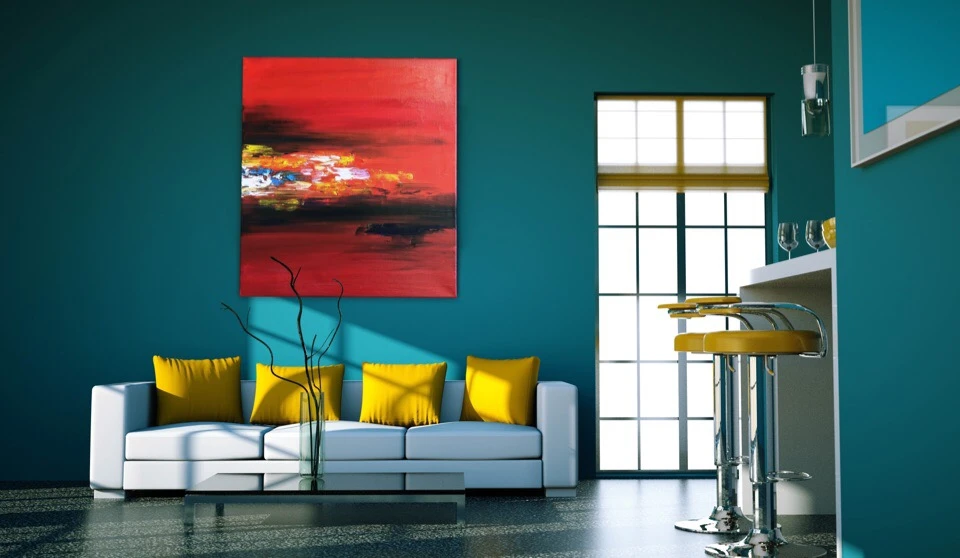
Color zoning similarly divides through visual distinction rather than physical separation. Different wall colors define functional areas even when walls themselves remain continuous. Ceiling color changes reinforce these boundaries overhead. These chromatic transitions can be dramatic for strong separation or subtle for gentle area definition, offering calibrated division appropriate to specific functional needs.
Pattern variation provides another divisional strategy through visual language rather than physical barriers. Distinctive wallcovering patterns or decorative elements signal transitions between zones. Even subtle variations in surface texture create perceptible boundaries that register subconsciously, guiding movement and function without imposing physical limitations on spatial flow.
Green Division: Living Boundaries
Plant arrangements create perhaps the most psychologically satisfying spatial divisions. These living boundaries improve air quality, dampen sound transmission, and introduce biophilic elements that reduce stress while enhancing wellbeing. Their inherent beauty transforms functional division into aesthetic opportunity, creating boundaries that occupants appreciate rather than merely accept.
Mobile planter systems offer flexibility comparable to manufactured dividers with added biological benefits. Wheeled bases allow quick reconfiguration as needs change. Height variations create visual rhythm while accommodating plants with different light requirements. Selection of appropriate species ensures sustainable division that thrives rather than merely survives in specific interior environments.
Living walls provide more substantial green division through vertical planting systems. Contemporary designs incorporate self-watering technology that minimizes maintenance while supporting plant health. These installations combine powerful space division with dramatic visual impact, transforming ordinary environments into extraordinary experiences through concentrated natural elements that simultaneously separate and connect.
Light As Divider: Illumination Boundaries
Lighting zones establish powerful spatial division through controlled illumination rather than physical objects. Distinct lighting levels naturally signal different functional areas—brighter illumination for task-focused spaces, softer lighting for relaxation zones. These variations guide behavior and movement without imposing physical limitations on spatial navigation.
Lighting tracks suspended from ceilings create linear elements that define space overhead without floor obstructions. These systems combine functional illumination with visual structure that organizes space below. Their linear nature naturally defines boundaries while providing task-appropriate lighting for different functional zones within larger environments.
Projected light patterns create ephemeral but effective boundaries through visual distinction rather than physical presence. These systems can transform instantly as needs change, offering unprecedented flexibility in spatial division. Advanced systems can respond to occupancy patterns automatically, adapting division to actual use rather than predetermined arrangements, creating responsive environments that evolve throughout daily cycles.
Sound Management: Acoustic Boundaries
Acoustic panels serve dual purposes as both sound management tools and visual space dividers. Contemporary designs transcend utilitarian origins with sculptural forms and artistic surface treatments that contribute aesthetic value while performing crucial acoustic functions. These elements improve speech intelligibility within defined zones while reducing sound transmission between adjacent areas.
Directional sound systems create invisible but perceptible boundaries through controlled audio distribution. These technologies direct sound precisely to intended listeners while minimizing spillover to adjacent areas. The result creates distinct acoustic zones within continuous physical spaces—areas where different audio environments coexist without physical separation, enabling multiple functions within shared environments.
White noise generation establishes acoustic privacy without visual barriers. These systems introduce carefully calibrated background sound that masks conversation while remaining below conscious attention thresholds. The resulting sonic boundaries create functional privacy within visually connected spaces, enabling confidential conversations and focused work within otherwise open environments.
Furniture Arrangements: Functional Division
Seating configurations naturally define activity zones through orientation and grouping. Chairs arranged in conversational clusters establish distinct social areas. Linear bench seating creates boundaries along circulation paths. These arrangements communicate function through form, guiding appropriate use without explicit instruction or physical barriers.
Storage elements simultaneously solve practical needs while creating effective space division. Bookshelf units, credenza systems, and cabinet arrays establish substantial boundaries with built-in functionality. Their inherent usefulness justifies their presence while their physical form creates natural divisions between adjacent activity zones.
Counter-height surfaces create particularly effective divisions that combine boundary definition with functional work surfaces. These elements establish clear separation while providing useful horizontal planes for collaboration, casual dining, or transitional work. Their intermediate height preserves visual connection across spaces while creating unmistakable functional boundaries between zones.
Psychological Cues: Subtle Signals
Ceiling treatments provide powerful organizational cues that guide movement and function. Distinctive overhead elements naturally define areas below through visual distinction. These treatments range from simple paint color changes to elaborate architectural details, creating overhead maps that organize vast open spaces into comprehensible zones without vertical barriers.
Artwork placement similarly establishes territorial boundaries through focal points that anchor specific areas. Large installations naturally define gathering spaces around them. Serial arrangements guide movement along pathways. These aesthetic elements contribute beauty while simultaneously performing crucial wayfinding functions that make large spaces navigable and comprehensible.
Transitional elements create thresholds between zones without actual doors. Decorative screens, hanging elements, or architectural details signal passage between distinct functional areas while maintaining physical openness. These symbolic gateways satisfy deep psychological needs for boundary definition while preserving the connected quality that makes open spaces so appealing.
Temporal Division: Time-Based Boundaries
Movable elements create reconfigurable environments that adapt to changing needs throughout daily cycles. Furnishings on castors allow instant transformation from collaborative arrangements to presentation configurations. Lightweight screens deploy for temporary privacy, then store compactly when openness becomes priority. This temporal flexibility maintains open character while accommodating diverse functional requirements.
Multi-functional elements serve different purposes at different times, changing roles as needs evolve. Tables transform from workstations to dining surfaces. Seating reconfigures from individual arrangements to community gatherings. These adaptable elements maximize spatial utility while minimizing the need for permanent divisions that might limit future flexibility.
Programmable environments use technology to transform spaces throughout daily cycles. Automated systems adjust lighting, sound, and even movable elements according to predetermined schedules or occupancy patterns. These intelligent environments adapt continuously to changing requirements, creating responsive spaces that evolve to support occupants rather than forcing adaptation to static arrangements.
Conclusion: Boundless Boundaries
Dividing open spaces without constructing walls represents sophisticated environmental design—creating definition without limitation, organization without obstruction, and clarity without confinement. These strategies preserve the fundamental benefits of openness while introducing necessary structure that makes spaces functional for diverse activities and occupant needs. The resulting environments combine the psychological comfort of defined territories with the social connection and spatial generosity that make open plans so appealing.
Perhaps most importantly, these approaches preserve future flexibility that permanent construction inevitably compromises. In environments characterized by rapid change and evolving functions, adaptable division strategies create resilient spaces that accommodate unforeseen needs without costly renovation. The investment in thoughtful, flexible division solutions thus represents not merely current problem-solving but future-proofing that maintains spatial relevance through inevitable functional evolution.
The most successful open space divisions ultimately combine multiple strategies—vertical elements working in concert with lighting zones, material changes reinforced by furniture arrangements, acoustic management complementing visual cues. This layered approach creates robust yet flexible spatial definition that engages multiple senses, accommodates diverse preferences, and creates environments that simultaneously organize experience and liberate possibility—the true promise of boundless boundaries.