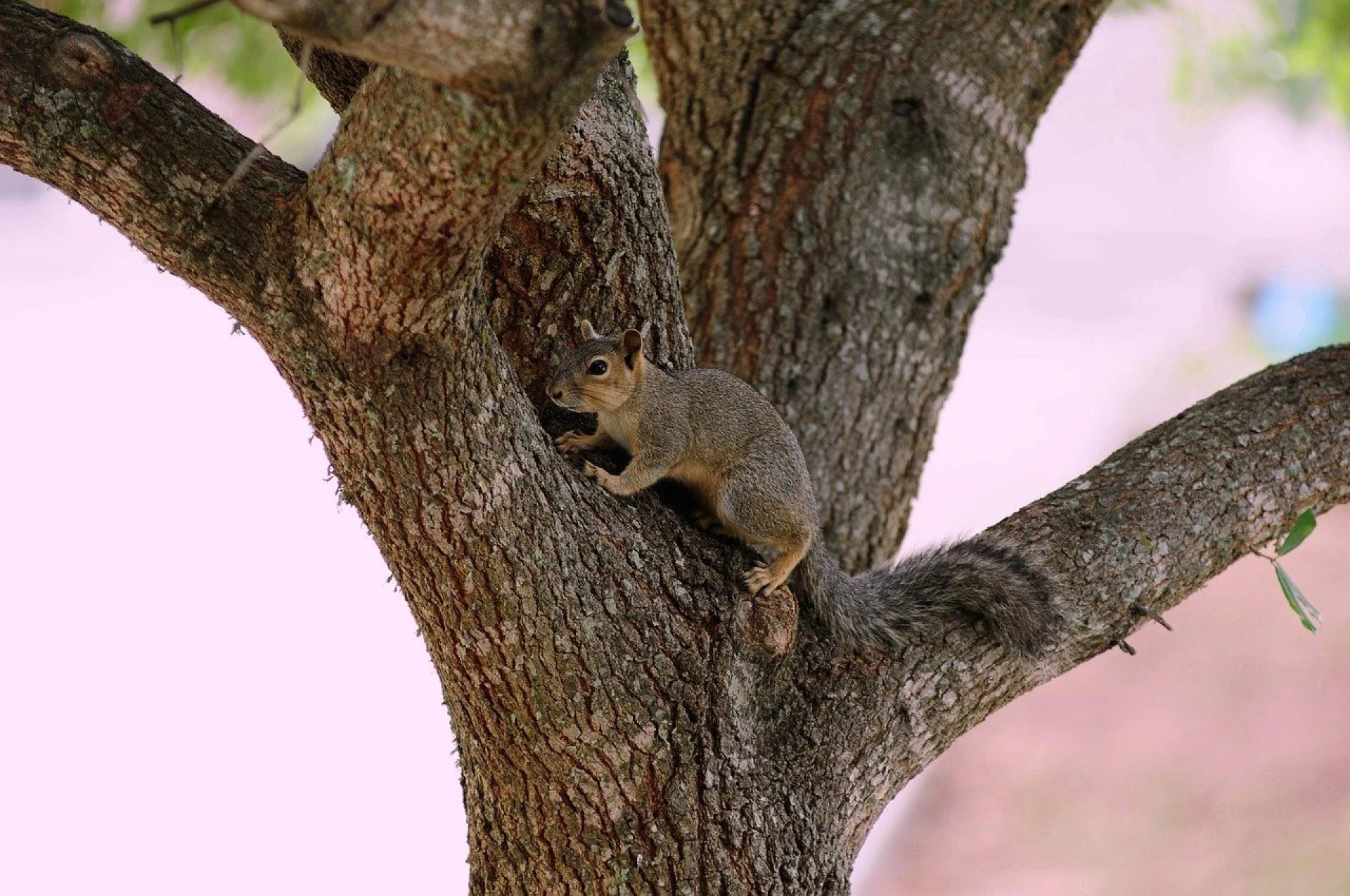
One day, your shed door is slightly ajar, and the next, evidence of pest control squirrels appears everywhere: nibbled wiring, scattered leaves, and hidden nests. It’s startling how quickly small signs turn into serious disruption. Feeling unsure about what to do can make the situation stressful and confusing. Reaching out to a wildlife exterminator gives you a professional perspective, safe and effective removal techniques, and guidance to keep squirrels from coming back. You gain peace of mind and practical steps to restore order, turning a chaotic surprise into a solution that protects your home, family, and belongings.
Spotting the First Signs of Squirrel Trouble
Sometimes the first sign of squirrels in your home isn’t obvious a rustle behind the walls, a chewed corner of insulation, or leaves scattered near vents. Pest control squirrels are surprisingly quick at turning small intrusions into bigger problems. The uncertainty can be stressful, leaving you unsure how to respond. Bringing in a wildlife exterminator early helps you see the full picture, assess risks, and remove the animals safely. Acting promptly not only limits damage but also makes the process smoother, turning a disruptive surprise into a controlled, manageable solution for your home and family.
How Squirrels Can Cause Serious Damage
It’s easy to underestimate squirrels, but these little intruders can create surprisingly costly and even risky problems. Their instincts, chewing, scavenging, and building nests, often target parts of your home that affect both safety and comfort.
Attics, walls, and roof spaces are frequent spots for damage. Squirrels can gnaw through insulation, electrical wiring, and wooden beams, increasing the risk of fire and compromising structural integrity. Roofs and gutters can become clogged or damaged from nests, leading to leaks and extra repairs. Their food search may also affect gardens, bird feeders, and even pet food, leaving a mess behind.
A wildlife control expert looks at the property as a whole, identifying both visible damage and hidden risks. This professional approach ensures squirrels are removed safely while tackling the root cause, something DIY solutions often overlook.
Talking to a Pro About Pest Control Squirrels
Understanding squirrel behavior is crucial to solving an infestation effectively. They are smart, adaptable, and capable of bypassing many home defenses. Speaking with a wildlife control expert equips you with knowledge and strategies that work, instead of relying on guesswork. Professionals know where to look, how to remove squirrels humanely, and what measures prevent future invasions.
Identifying Entry Points and Activity
Pinpointing how squirrels access your home is the first step. Look for:
- Small holes or gaps near rooflines and vents
- Chewed soffits or fascia boards
- Gnawed insulation or wires
- Nesting materials in hidden corners or chimneys
Understanding where they enter allows targeted solutions, making the removal process safer and more effective.
Safe Removal Methods That Work
An animal removal specialist employs humane techniques designed for safety and efficiency. Live traps allow squirrels to be removed without harm, and relocation ensures they don’t return to your property. Exclusion methods, such as sealing gaps and reinforcing vulnerable areas, prevent re-entry while keeping the animals safe.
Attempting DIY removal can backfire, leaving squirrels trapped in unsafe areas or hiding in walls, which increases stress and potential property damage. Expert guidance guarantees long-term results.
Preventing Squirrels from Returning
Removal is only part of the solution. Preventing squirrels from coming back ensures your home remains safe and your stress levels stay low. Even after squirrels are gone, their instincts drive them to seek easy access and food sources. Professionals recommend strategic changes to make your home less inviting.
- Seal any remaining gaps or holes around vents, roofs, and chimneys
- Trim tree branches near your roofline to limit easy access
- Secure bird feeders, compost bins, and pet food
- Conduct routine inspections, particularly during nesting seasons
These steps reduce the likelihood of future infestations, giving you long-term peace of mind.
When DIY Methods Fail
Many homeowners try to handle pest control squirrels themselves, but this can often make matters worse. Improper traps or repellents may scatter the squirrels, leaving them to nest in harder-to-reach areas. Damage from gnawing continues, and hidden nests can create health hazards.
Wildlife control experts take a comprehensive approach: removal, prevention, and protection. They address the underlying causes, not just the symptoms. By acting early and following professional advice, you protect your home, family, and belongings from ongoing disruption.
Expert Advice for Long-Term Protection
Seasonal inspections and proactive measures are key to keeping squirrels away for good. A wildlife exterminator can provide strategies that go beyond immediate removal.
Recommended Practices
- Check roofs, vents, and chimneys for weak spots
- Maintain trees and shrubs to prevent easy roof access
- Ensure outdoor food sources are contained or removed
- Inspect attics and walls periodically for early signs of activity
Benefits of Professional Guidance
Working with a wildlife control expert offers insights into local squirrel behavior, allowing tailored prevention strategies. Homeowners gain knowledge about peak activity periods, warning signs, and safe removal options. This foresight reduces future infestations and protects the property in the long term.
Managing the Unexpected
Even with preparation, squirrels are unpredictable. Unexpected appearances can cause stress and confusion. Professionals help you respond calmly, providing step-by-step guidance, humane removal, and follow-up inspections. This structured approach prevents panic and ensures your home remains safe and orderly.
Conclusion
Pest control squirrels can escalate from minor nuisances to serious problems quickly. Knowing how to talk to a wildlife exterminator gives you clarity, safe removal strategies, and prevention tips that protect your home and family. What begins as a chaotic surprise becomes a manageable, structured solution, leaving you with peace of mind and a secure living space. Acting early, understanding the problem, and following professional advice ensures that squirrels are removed humanely and that future infestations are prevented. Knowledge and preparation turn an unexpected headache into long-term protection.
Frequently Asked Questions (FAQs)
1. How can I tell if I need a wildlife control expert for pest control squirrels?
If noises in the attic, droppings, or gnawed materials persist, a professional can assess the situation safely and effectively.
2. Can squirrels cause serious damage to my home?
Yes. Chewing on wiring, insulation, and wooden structures can create fire hazards and lead to costly repairs.
3. Are professional removal methods safe for squirrels?
Yes. Wildlife exterminators use humane traps and relocation strategies to minimize stress and ensure the animals are unharmed.
4. Can squirrels return after removal?
Without preventative measures, they may come back. Experts use exclusion techniques and provide advice on food and nesting control.
5. How quickly can a wildlife control expert resolve squirrel problems?
Resolution varies, but professionals act efficiently, remove the animals humanely, and implement measures to prevent future infestations.