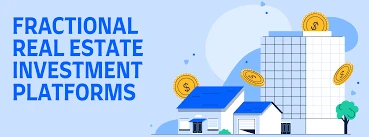
Real estate has always been viewed as one of the safest and most profitable investment sectors. However, traditional barriers such as high entry costs, geographical limitations, and complex legal procedures have prevented many from participating. Fractional real estate tokenization changes this dynamic by allowing investors to purchase digital tokens representing partial ownership of a property.
Developing a fractional real estate token platform involves more than just coding—it requires deep knowledge of real estate regulations, blockchain architecture, smart contract development, and user experience design. This article explores the complete process, from concept to deployment, and outlines how to create a fully functional and compliant platform.
1.1 What Tokenization Means
Tokenization converts the ownership of a real-world property into digital tokens stored on a blockchain. Each token represents a fraction of the property’s value. Instead of buying an entire asset, investors can buy small portions, making real estate more accessible to the wider population.
1.2 Why Tokenization Matters
Tokenized real estate introduces unprecedented liquidity and transparency. Investors can trade tokens instantly instead of waiting months to sell a property. Blockchain ensures each transaction is recorded securely and immutably.
2.1 Enhanced Liquidity
Traditional real estate is illiquid. A tokenized marketplace allows investors to buy and sell property shares instantly.
2.2 Lower Financial Barriers
Individuals no longer need thousands of dollars to enter the real estate market—fractional tokens make it affordable.
2.3 Global Investor Reach
A digital platform enables international participation, expanding investment opportunities beyond borders.
2.4 Transparent Ownership
Blockchain provides immutable records, allowing investors to verify ownership rights anytime.
3.1 User Dashboard
A central hub where investors can explore properties, buy tokens, monitor their portfolios, and analyze returns.
3.2 KYC/AML Compliance Layer
Identity verification is essential. The platform must authenticate user identities to comply with financial and real estate regulations.
3.3 Tokenization Engine
The system responsible for converting real estate assets into legally backed digital tokens and linking them to ownership documents.
3.4 Smart Contracts
Smart contracts automate token distribution, property ownership transfers, dividend payouts, and compliance enforcement.
3.5 Wallet & Payment Integration
A secure method allowing users to purchase tokens using crypto or fiat currencies.
3.6 Secondary Marketplace
A trading environment where investors can resell their tokens, providing liquidity similar to stock exchanges.
4.1 Step One: Legal & Market Research
Before building anything, you must understand regulatory frameworks. Tokenized assets are often classified as securities, which means your platform must comply with securities laws, taxation rules, investor classifications, and reporting requirements. Partnering with a legal team specializing in property law and blockchain is crucial.
4.2 Step Two: Choosing the Blockchain Network
Selecting the right blockchain determines the performance, fees, and scalability of your platform.
The most widely used networks include:
- Ethereum: Highly secure and mature ecosystem
- Polygon: Low fees and high scalability
- Binance Smart Chain: Fast and cost-efficient
- Avalanche / Solana: Very high throughput
This choice impacts smart contracts, token standards, and user experience.
4.3 Step Three: Designing the Platform Architecture
Your architecture must connect backend servers, blockchain nodes, external APIs, databases, and smart contracts. A typical stack includes:
- Frontend: React.js or Next.js
- Backend: Node.js, Django, or Nest.js
- Database: PostgreSQL or MongoDB
- Storage: IPFS for documents, AWS/S3 for media
- Blockchain Layer: Smart contract infrastructure
The system must be both modular and scalable.
4.4 Step Four: Developing Smart Contracts
Smart contracts define the rules of token issuance and ownership. They handle:
- Fractional division of assets
- Token creation and distribution
- Dividend payouts
- Ownership rights
- Voting rights for investors
- Compliance restrictions
Every contract must undergo extensive testing and third-party security audits to prevent vulnerabilities.
4.5 Step Five: Building the Tokenization Engine
This module connects real-world property documents with blockchain tokens. The engine manages:
- Asset valuation
- Fraction assignment
- Revenue rights
- Token lifecycle
- Reconciliation between on-chain and off-chain data
It's the core functionality of your platform.
4.6 Step Six: Implementing KYC/AML Verification
Identity verification is mandatory for compliance. The platform must validate:
- User identity
- Source of funds
- Risk profile
- Investor accreditation
KYC integration ensures legal protection and trust within the ecosystem.
4.7 Step Seven: Developing Investor & Admin Interfaces
The investor dashboard provides:
- Asset insights
- Token purchase capabilities
- Real-time analytics
- Transaction history
Meanwhile, the admin panel allows management of:
- Property listings
- Investor accounts
- Compliance checks
- Token supply
- Marketplace activity
Both interfaces must be intuitive and secure.
4.8 Step Eight: Creating the Secondary Marketplace
A built-in marketplace turns the platform into a complete ecosystem. It includes:
- Buy/sell order placement
- Automated match-making
- Price charts
- Ownership transfer automation
Liquidity is one of the biggest advantages of tokenization.
4.9 Step Nine: Testing and Security Audits
Before launch, the system undergoes:
- Functional testing
- Smart contract audits
- Penetration testing
- Load testing
- Compliance validation
Real estate tokenization deals with high-value assets, so security must be airtight.
4.10 Step Ten: Platform Deployment & Launch
Deployment includes:
- Deploying smart contracts on the blockchain
- Setting up servers and CDN networks
- Publishing frontend (web and mobile apps)
- Preparing user documentation
After launch, continuous maintenance and compliance updates are required.
While costs vary based on region and complexity, a full platform typically ranges from $50,000 to $200,000+. Platforms with advanced marketplaces, mobile apps, and cross-chain functionality may exceed this range.
Real estate tokenization is quickly evolving from a niche concept to a global investment trend. In the coming years, we can expect:
- Integration with DeFi platforms
- Cross-chain tokenization
- Fully automated rental income distribution
- AI-driven property valuation models
The earlier a company builds its tokenization infrastructure, the stronger its competitive position will be in this emerging industry.
Developing a fractional real estate token platform is a complex yet transformative endeavor. It requires a combination of blockchain engineering, regulatory compliance, smart contract development, and user-centered design. When executed effectively, the platform not only democratizes real estate investment but also creates new financial opportunities for global investors.