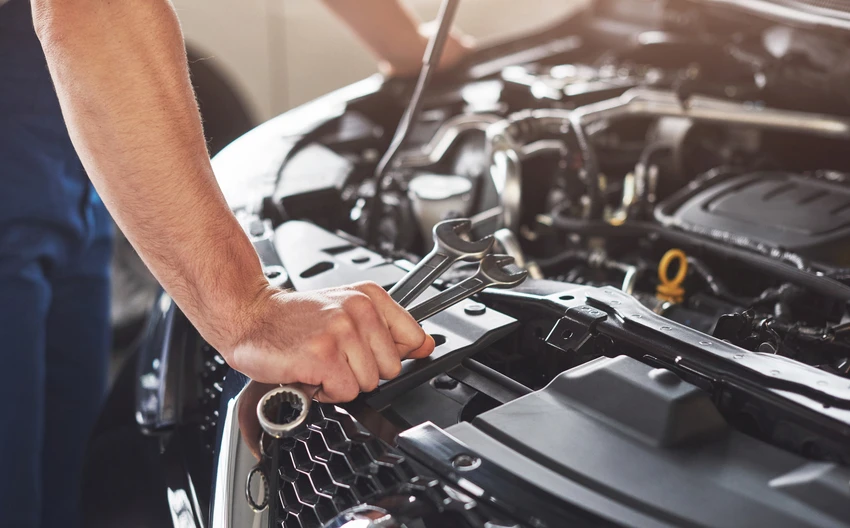
Car problems rarely show up out of nowhere. Most major breakdowns start as tiny warning signs that are easy to miss or ignore. The challenge is knowing what to watch for before those small issues turn into wallet draining repairs. Think of your vehicle like your own body. A slight cough today might be nothing, but ignore it long enough, and it can turn into something serious. The same logic applies to your car.
Why Small Problems Become Expensive Fast
Minor issues rarely stay minor. A worn belt can snap, a small leak can starve an engine, and neglected brake pads can destroy rotors. Once one component fails, it often damages others around it. That domino effect is what drives repair costs through the roof. On top of that, safety risks increase when problems go unresolved, putting you and others on the road at risk.
Understanding Early Warning Signs
Your car constantly communicates with you. The trick is learning its language.
Strange Noises You Should Never Ignore
Squealing, grinding, clicking, or knocking sounds are never normal. Grinding often indicates metal-to-metal contact, especially in braking systems. Knocking under the hood can signal engine wear. If your vehicle starts sounding different, it is trying to get your attention.
Dashboard Warning Lights and What They Mean
Warning lights exist for a reason. A check engine light might not mean immediate failure, but it always means something needs attention. Ignoring it is like covering a warning label with tape and hoping for the best.
The Role of Routine Inspections
Regular inspections are one of the simplest ways to catch problems early.
Visual Checks Drivers Can Do Themselves
You do not need to be a mechanic to notice issues. Look for leaks under the vehicle, check tire wear, and pay attention to changes in how your car feels when driving. These quick checks can reveal a lot.
Professional Inspections vs DIY Checks
While personal checks are helpful, professional inspections go deeper. Trained technicians can spot internal wear and system issues long before they cause breakdowns.
Brake Issues That Signal Bigger Trouble
Brakes are one of the most critical safety systems on your vehicle.
Soft Pedals and Vibration
A soft or spongy brake pedal can indicate air in the lines or fluid issues. Vibration when stopping often points to warped rotors. Delaying Brake Repair Service can turn a simple fix into a full system replacement.
Engine Performance Changes
Engines rarely fail without warning.
Reduced Power and Rough Idling
If your car struggles to accelerate or idles roughly, something is off. These symptoms may be tied to fuel delivery, ignition issues, or airflow problems.
Smells and Smoke as Early Indicators
Burning smells or visible smoke are clear red flags. These signs often appear before serious engine damage occurs and should never be brushed off.
Fluids Speak Louder Than You Think
Fluids are the lifeblood of your vehicle.
Leaks Under Your Vehicle
Puddles under your car are not normal. Whether it is oil, coolant, or transmission fluid, leaks indicate components are failing.
Color and Smell of Fluids Decoded
Dark oil, sweet smelling coolant, or burnt transmission fluid all tell a story. Understanding these signs can help you act before damage spreads.
Suspension and Steering Red Flags
If your vehicle pulls to one side, bounces excessively, or feels unstable, suspension or steering components may be wearing out. Uneven tire wear is often an early clue that alignment or suspension issues are developing.
Electrical Problems That Grow Quietly
Electrical issues tend to start small. Flickering lights, slow starts, or inconsistent accessories can indicate battery or alternator trouble. Ignoring these signs may leave you stranded unexpectedly.
How Preventive Care Saves Money
Preventive care is not about spending more; it is about spending smarter. Scheduling Car Maintenance Service in Ocala before problems escalate keeps repair costs predictable and manageable. Routine service helps extend vehicle life and improves reliability.
Building a maintenance mindset means listening to your car, acting early, and avoiding the stress of emergency repairs.
Conclusion
Catching problems early is the difference between affordable upkeep and expensive breakdowns. By paying attention to warning signs, keeping up with routine inspections, and addressing small issues promptly, drivers can protect both their vehicles and their budgets. For expert Car Repair and Brake Repair Service support in Ocala, Spencer's Auto & Diesel helps drivers stay ahead of costly repairs with proactive, professional service.
FAQs
1. How often should I have my vehicle inspected?
Most vehicles benefit from an inspection at least twice a year or during routine oil changes.
2. Are warning lights always serious?
Not always urgent, but they always mean something needs to be checked soon.
3. Can ignoring minor noises really cause major damage?
Yes. Small sounds often indicate early wear that can lead to larger failures.
4. Do fluid leaks always mean expensive repairs?
Not necessarily. Catching leaks early usually keeps repair costs low.
5. Is preventive maintenance really worth it?
Absolutely. It reduces breakdown risk, improves safety, and saves money long term.