
The term "cinematic" is often used to describe a specific visual quality that separates professional filmmaking from amateur video. While many factors contribute to this look—including color grading and composition—lighting and depth of field are the two most powerful tools at a creator's disposal. Achieving a cinematic look isn't just about having the brightest lights; it is about how you control that light using a fast aperture lens to create depth, texture, and mood.
For creators in Pakistan, the journey toward cinematic excellence has been significantly aided by the availability of high-performance glass. When you are searching for a high-quality camera lens, the maximum aperture is often the first specification that dictates its cinematic potential. Through Fusion Max, the official distributor of LK Samyang in the Nisbat Road camera market of Lahore, local filmmakers now have access to the wide-aperture primes necessary to master these advanced lighting techniques.
The Relationship Between Aperture and Light Control
To understand cinematic lighting, one must first understand the "exposure triangle," specifically the role of the aperture. The aperture is the opening in the lens that allows light to pass through to the sensor. A "fast" lens is one with a very wide maximum opening, such as f/1.4 or f/1.8.
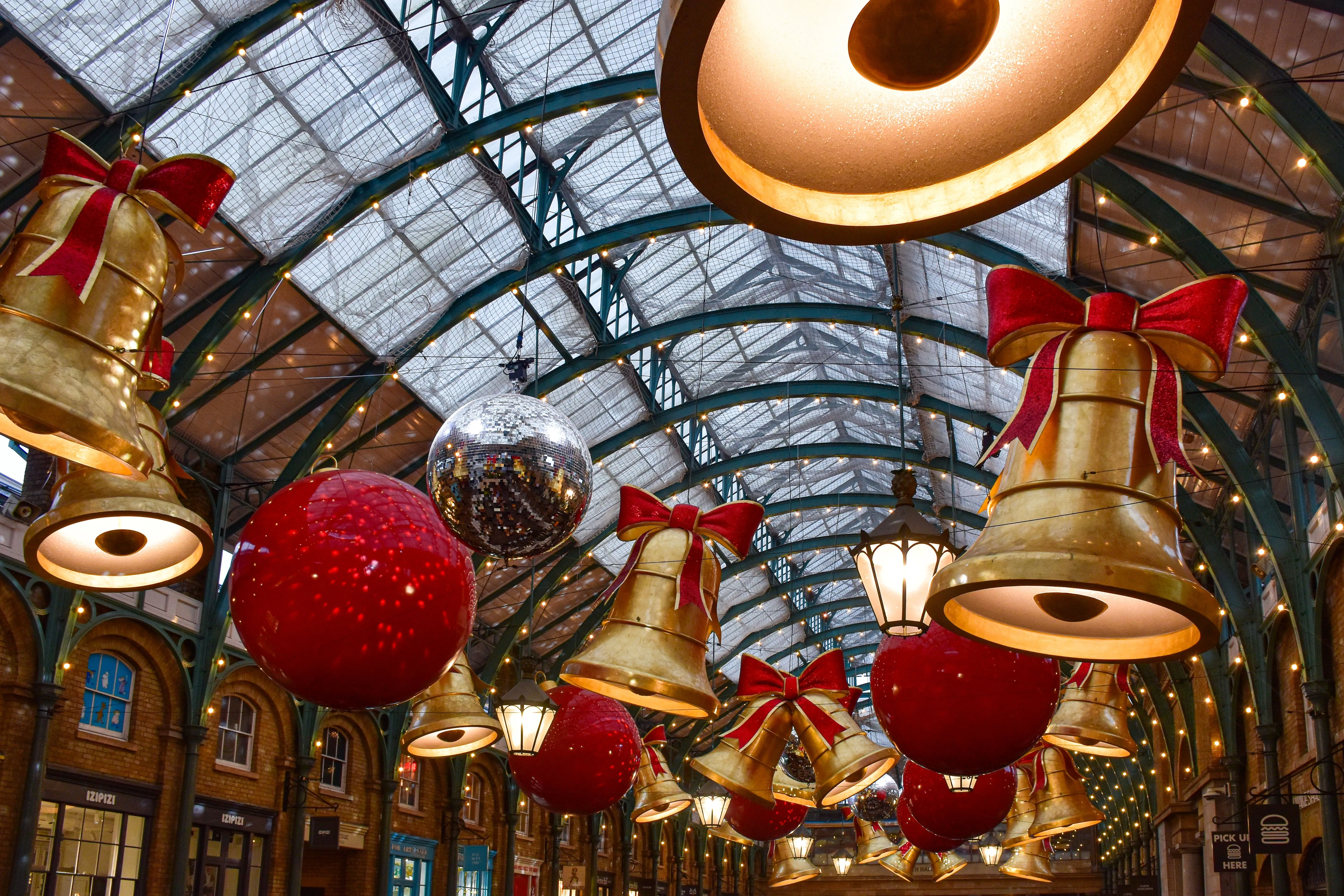
In cinematography, a fast aperture does more than just allow you to shoot in low light; it gives you the power to manipulate the "perceived" lighting of a scene. By using a wide aperture, you can keep your subject in sharp focus while allowing the background lights to bloom into soft, beautiful orbs. This contrast between the sharp subject and the soft background is a hallmark of the cinematic aesthetic.
Creating Depth with Shallow Depth of Field
One of the most common lighting challenges in smaller sets or home studios is a lack of physical depth. If your subject is standing close to a wall, the image can feel flat and "video-like." Fast aperture lenses solve this by creating "optical depth."
When you shoot with an LK Samyang f/1.4 prime, you can effectively "push" the background away. This allows you to place small, inexpensive lights in the background—such as practical lamps or LED strips—which then turn into soft pools of light. This technique, known as "bokeh," adds a layer of sophistication to the lighting design, making the production value appear much higher than it actually is. Many professionals consider LK Samyang to be the best lens brand in pakistan for achieving this specific look due to the creamy rendering of their fast-aperture optics.
Mastering Low-Light Cinematography
In many cinematic scenarios, you may want to utilize "motivated lighting"—using the natural light sources available in the scene, such as a window, a candle, or a streetlamp. The difficulty with motivated lighting is that these sources are often quite dim. A standard kit lens with an aperture of f/3.5 or f/5.6 would require you to boost your camera’s ISO, resulting in grainy, "noisy" footage that loses its cinematic polish.
A fast lens, like the Samyang V-AF series available at Fusion Max, allows you to keep your ISO low even in dark environments. This preserves the dynamic range of your sensor, ensuring that the shadows remain deep and clean while the highlights retain their detail. This ability to work with minimal light is what allowed the rise of "available light" masterpieces in modern cinema.
The Role of Compression in Lighting Design
While wide-angle lenses are great for showing an environment, telephoto fast-aperture lenses like the 85mm or 135mm offer "lens compression." This effect makes the background appear closer and larger relative to the subject. From a lighting perspective, this means that any background lights or highlights will appear much larger and more prominent.
When you use a Samyang AF 85mm f/1.4 for a close-up, the background lights are compressed into large, soft shapes that wrap around the subject. This creates a dreamy, high-end look that is particularly popular in Pakistani bridal cinematography and fashion films. The compression helps in "cleaning up" the background, allowing the lighting on the subject’s face to be the primary focus of the viewer's attention.
Practical Tips for Cinematic Lighting with Fast Primes
To truly harness the power of your fast glass, you should consider the following professional lighting strategies:
Utilize Rim Lighting
With a fast aperture, a subtle "rim light" (a light placed behind the subject) becomes much more effective. Because the background is blurred, the sharp, highlighted edge of the subject’s silhouette creates a clear separation, making the image look three-dimensional.
Incorporate Practical Lights
"Practicals" are light sources that are visible within the frame, such as a desk lamp or a neon sign. Fast lenses turn these practicals into aesthetic elements. Instead of just being a lamp in the corner, a wide aperture turns that lamp into a soft glow that contributes to the mood of the scene without distracting from the actors.
Control Your Shutter with ND Filters
When shooting wide open at f/1.4 in daylight to get that cinematic depth, your image will often be overexposed. To maintain a cinematic shutter speed (usually double your frame rate), you must use Neutral Density (ND) filters. This allows you to keep your aperture fast even in bright Pakistani sunlight, ensuring you don't lose that shallow depth of field.
Why Quality Glass Matters for Light Rendering
Not all fast lenses are created equal. A "cheap" fast lens might have a wide aperture but could suffer from "lens flare" that looks messy or "chromatic aberration" (purple fringing) around light sources. Samyang lenses are engineered with specialized coatings that handle light transitions gracefully.
When you are filming a scene with a bright light source in the background, a Samyang lens will maintain its contrast and render the light with a professional "glow" rather than a distracting haze. This level of optical control is why so many production houses in Lahore visit the Nisbat Road camera market to kit out their cinema rigs with Samyang primes.
Conclusion: The Lens as a Lighting Tool
Ultimately, a fast aperture lens is more than just a piece of glass; it is a tool for controlling how light interacts with your sensor. By understanding how to use wide apertures to create depth, manage low-light situations, and enhance background aesthetics, you can elevate your work to a truly cinematic level.
Whether you are a solo content creator or a professional cinematographer, the right lens will fundamentally change the way you perceive and capture light. We encourage you to visit Fusion Max, the official Pakistani home of LK Samyang, to explore how these fast-aperture tools can redefine your visual storytelling.