If you're building a video platform—or just want your video content discoverable across aggregators, apps, and syndication networks—you’re going to need an MRSS feed. Sounds technical? Sure. But it's not as complicated as it sounds. And done right, it becomes a powerful bridge between your video library and the wider digital ecosystem.
Let’s break it down. No jargon. No fluff. Just what you need to know to make your mrss feed work—cleanly, correctly, and effectively.
What is an MRSS Feed?
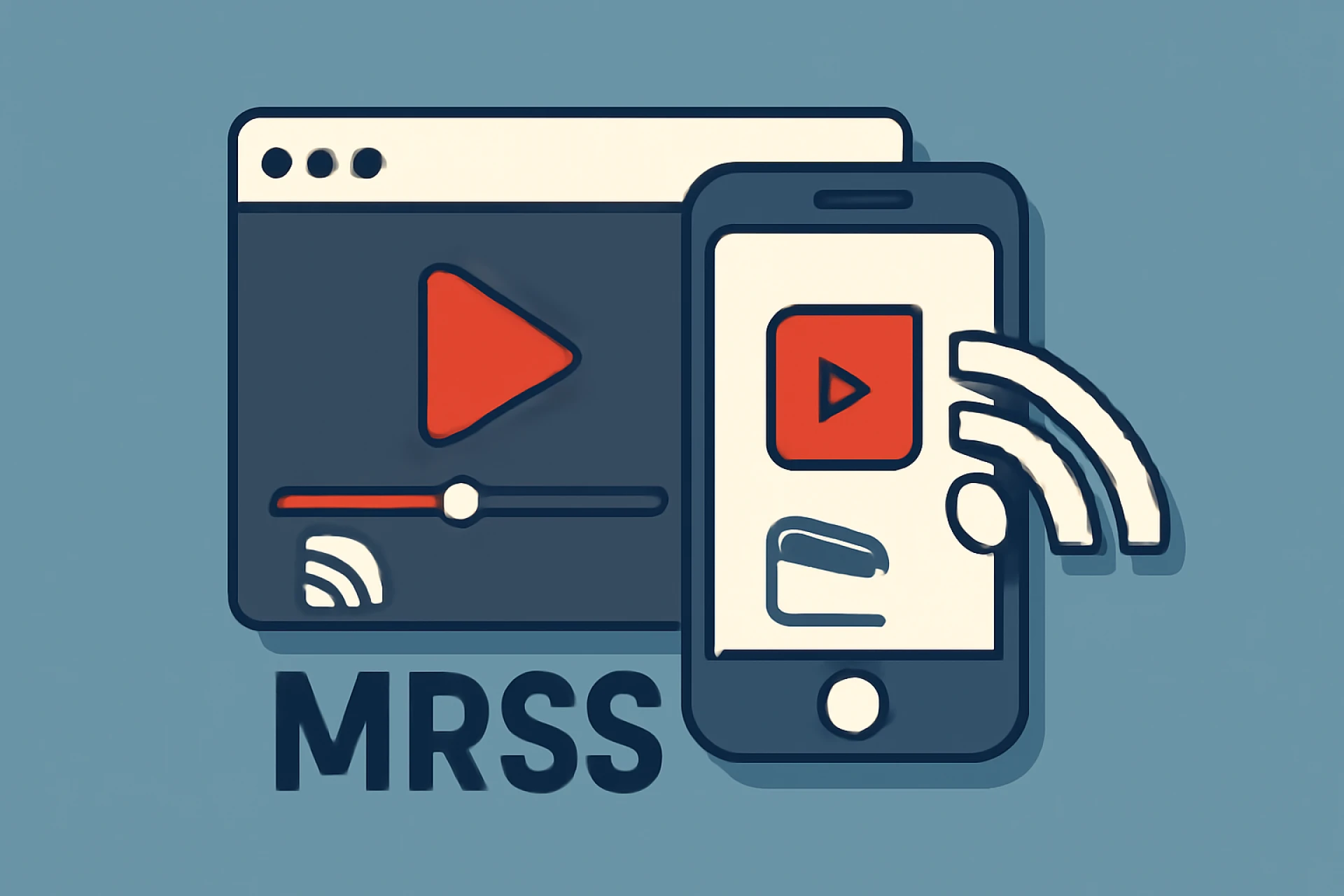
First, the basics. MRSS stands for Media Really Simple Syndication. It’s an extension of the traditional RSS feed, tailored specifically for multimedia content—especially video.
Think of it as a playlist that apps, directories, search engines, and smart TVs can read. Each video becomes an “item” with metadata like title, thumbnail, description, duration, and a link to the actual video file or player.
If you want your videos discoverable by platforms like Roku, Apple News, Samsung Smart Hub, or even podcast-like platforms that support video—you need an MRSS feed. It’s the universal handshake.
What Goes Inside an MRSS Feed?
At its core, an mrss feed is just XML—structured code that describes your video content. Here’s a simplified version of what an entry looks like:
xml
CopyEdit
<item>
  <title>Behind the Scenes: Season 2</title>
  <link>https://yourplatform.com/videos/behind-scenes-s2</link>
  <description>A deep dive into the making of our second season.</description>
  <media:content url="https://cdn.yourplatform.com/vids/behind-scenes-s2.mp4" type="video/mp4" duration="600"/>
  <media:thumbnail url="https://yourplatform.com/thumbnails/ep2.jpg" />
  <pubDate>Thu, 07 Aug 2025 10:00:00 GMT</pubDate>
</item>
Multiply that by however many videos you’ve got, wrap it in a <channel> tag, and that’s your feed.
Step-by-Step: Creating Your MRSS Feed
Step 1: Map Your Video Data
You’ll need to pull details for each video:
- Title
- Description
- Video file URL (or streaming link)
- Thumbnail URL
- Duration (in seconds)
- Publish date
If you're using a CMS or database, build a query that extracts this into XML format.
Step 2: Build the XML Structure
Start with the base tags:
xml
CopyEdit
<?xml version="1.0" encoding="UTF-8" ?>
<rss version="2.0" xmlns:media="http://search.yahoo.com/mrss/">
<channel>
  <title>Your Platform Name</title>
  <link>https://yourplatform.com</link>
  <description>Official video feed from Your Platform</description>
Then loop through your videos and insert each as an <item> like the one above.
Step 3: Validate the Feed
Before you shout “It’s live!”, run your mrss feed through a feed validator. Typos, missing tags, bad URLs—any of these will break the connection to syndication partners. Tools like W3C Feed Validator or Roku Feed Validator will catch errors fast.
Step 4: Host It Somewhere Stable
Your feed URL needs to be publicly accessible, stable, and fast. Use your platform’s CDN or a reliable server. Think long-term—you don't want your feed link to change every month.
Step 5: Submit to Partners
Now the fun part. Submit your mrss feed to directories, aggregators, and platforms that support ingestion. Each may have its own quirks—some require specific thumbnail sizes, others may want categories or tags. Read the docs, test, and optimize.
Bonus Tips for a Better MRSS Feed
- Include HD versions: Add multiple
<media:content>tags with different resolutions for adaptive experiences. - Keep descriptions tight but searchable: Think 1–2 lines with keywords.
- Update regularly: Make your feed dynamic—auto-refresh with new content.
- Use unique GUIDs: Avoid duplicate content issues across platforms.
- Add closed captions (if possible): Some platforms support
<media:text>for transcripts.
Why MRSS Still Matters in 2025
You might be thinking—wait, isn’t RSS kind of… old-school? Yes. But MRSS has carved out its own lane. It's lightweight, platform-agnostic, and still one of the fastest ways to get your videos seen outside your own domain.
Unlike proprietary APIs, your mrss feed doesn’t tie you to any one vendor. It’s portable. Future-proofed. Open. And that’s a big deal in a world where platforms change their rules weekly.
Final Thought
Creating an MRSS feed isn’t just about “checking a box.” It’s about building visibility—quietly, in the background, like a wire that connects your content to new eyes.
You don’t need to be a dev to pull it off. You just need structure, consistency, and a little patience.
And once it’s up and running? Your videos don’t just live on your site—they travel. They reach. They grow.