
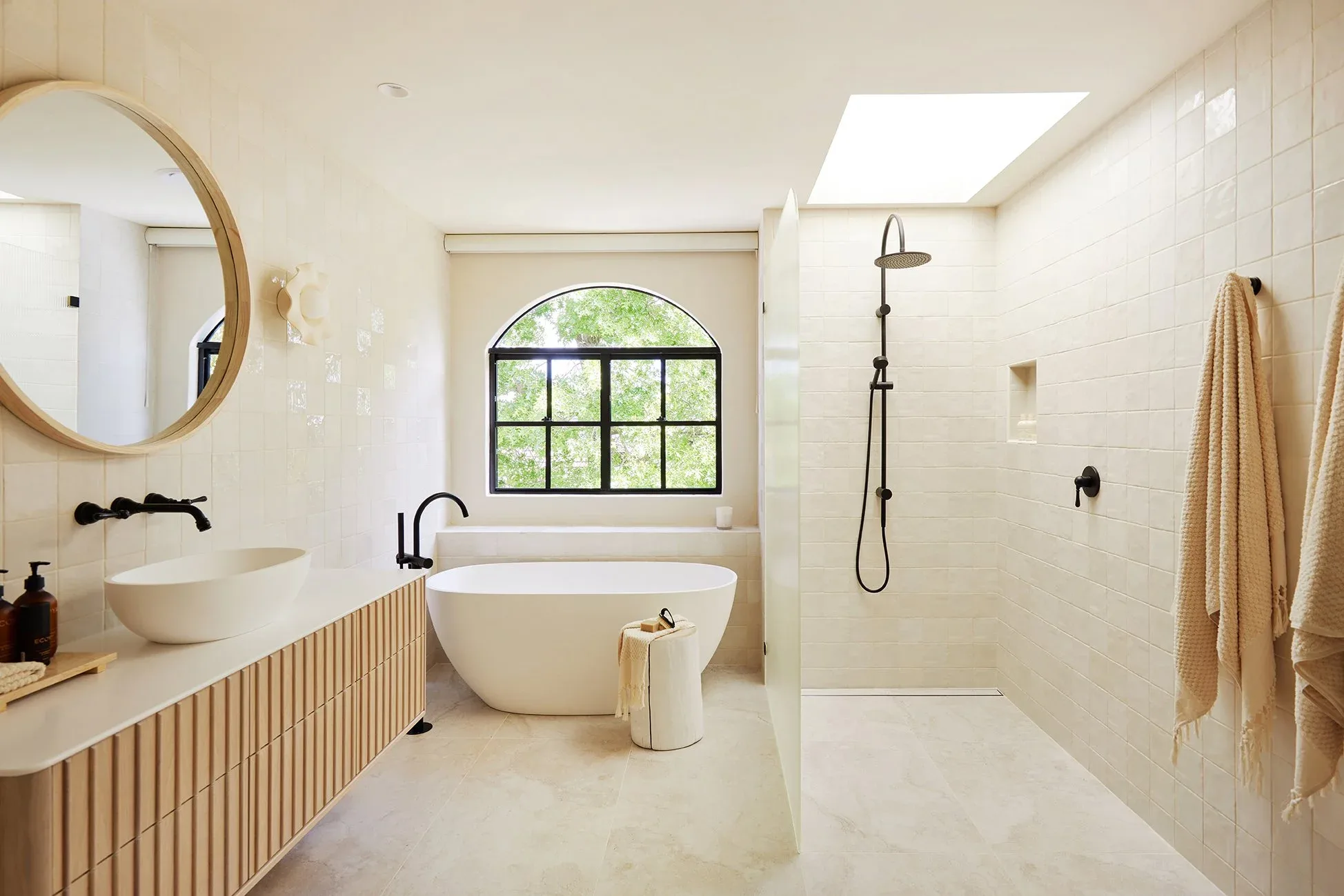
A bedroom should feel like a space to rest and recharge, yet many homes end up with layouts that feel cramped, poorly lit, or short on storage. A well-planned Bedroom Renovation Dubai project can address all of these issues at once, transforming a room that simply exists into one that genuinely supports comfort and daily function. This guide covers the key elements to think through when planning a bedroom renovation, from layout to finishing touches.
Start With a Practical Bedroom Layout
Before choosing colours or furniture, it helps to rethink the room's layout. Consider how the bed, wardrobe, and any seating or workspace areas relate to each other, and whether the current arrangement makes the most of natural light and walking space. A good layout should allow easy movement around the bed and wardrobe doors, avoid blocking windows with furniture, and leave enough clearance for the room to feel open rather than cramped. Space planning at this early stage often has a bigger impact on comfort than any decorative choice made later.
Improve Storage Without Wasting Space
Storage solutions are one of the most functional aspects of any bedroom renovation. Custom wardrobes built to fit the room's exact dimensions make far better use of space than standard, off-the-shelf units, especially in rooms with awkward corners or sloped ceilings. Built-in shelving, under-bed drawers, and floor-to-ceiling cabinets can all add storage without consuming extra floor space, which is particularly useful in smaller rooms where every square foot matters.
Choose Flooring for Comfort and Durability
Bedroom flooring should balance comfort underfoot with long-term durability. Softer materials like laminate or vinyl planks with a wood-look finish offer warmth and a cozy feel, while carpet can add extra comfort in colder months. Whatever material is chosen, it should be easy to maintain and suited to daily use, since bedrooms are often walked on barefoot and benefit from a smooth, comfortable surface.
Use Lighting to Create the Right Atmosphere
Bedroom lighting plays a major role in how relaxing the space feels. Layering different light sources — ambient ceiling lights, bedside lamps, and accent lighting — allows the room to shift between bright, functional lighting for daily tasks and softer, warmer lighting for winding down at night. Dimmable fixtures are particularly useful, giving flexibility depending on the time of day or mood. Natural light should also be considered, positioning furniture to avoid blocking windows wherever possible.
Upgrade Walls and Ceiling Finishes
Wall paint and bedroom wallpaper choices can dramatically change how a room feels. Soft, muted tones tend to support a calmer atmosphere, while an accent wall behind the bed can add character without overwhelming the space. Ceiling design is often overlooked, but subtle details like recessed lighting, a painted ceiling, or a simple cove design can add depth and visual interest without requiring major structural changes.
Select Curtains and Window Treatments
Bedroom curtains and window treatments affect both privacy and the amount of natural light entering the room. Layering sheer curtains with heavier or blackout options allows flexibility between bright mornings and fully dark, restful nights. Fabric choice, colour, and length should complement the room's overall colour and material scheme, tying the window treatment into the rest of the design.
Choose Furniture According to Available Space
Furniture selection should always reflect the room's actual dimensions rather than general trends. In larger bedrooms, a statement bed design, a seating area, or a dressing table can be added without crowding the space. In smaller rooms, multi-functional furniture — such as beds with built-in storage or slim bedside tables — helps maintain functionality without sacrificing floor space.
Create a Calming Colour and Material Scheme
A cohesive colour and material scheme ties the entire renovation together. Choosing two or three complementary tones, along with consistent material finishes across flooring, walls, and furniture, creates a more relaxing bedroom rather than a visually busy one. Textures like soft fabrics, natural wood tones, and matte finishes tend to support a calmer, more restful atmosphere than high-gloss or overly bold combinations.
Renovation Ideas for Small Bedrooms
Small bedrooms benefit from renovation ideas that maximize perceived space. Lighter wall colours and reflective surfaces can make a room feel larger, while built-in storage reduces clutter compared to freestanding furniture. Mirrors placed opposite windows can also help bounce natural light around the room, and choosing a bed size proportional to the room helps avoid an overcrowded feel.
Common Bedroom Renovation Mistakes to Avoid
A common mistake is prioritizing aesthetics over layout, resulting in a beautiful room that's difficult to move around in. Choosing furniture without measuring the space beforehand often leads to pieces that are too large or poorly proportioned. Neglecting lighting variety — relying on a single overhead fixture — can also leave a bedroom feeling flat or uninviting regardless of how well the rest of the design is executed.
Conclusion
A successful bedroom renovation balances comfort, functionality, and style, addressing everything from layout and storage to lighting and finishes. By planning each element thoughtfully rather than focusing on decoration alone, it's possible to create a bedroom that feels both relaxing and practical for daily life. For those planning their next project, Bedroom Renovation Dubai offers a practical starting point for turning these ideas into a finished space.