In today’s digital-first world, your restaurant's website is more than just an online menu — it's a powerful tool that can attract new customers, boost reservations, and increase orders. As we move further into 2025, having a high-converting website isn’t just a nice-to-have; it’s essential for staying competitive in a crowded market.
Whether you're a small café or a fine dining establishment, here’s a practical guide to creating a website that not only looks great but drives real results.
1. Prioritize Speed and Mobile Optimization
People expect websites to load quickly — especially when they’re hungry. Studies show that if your website takes more than 3 seconds to load, visitors are likely to leave. Make sure your site is optimized for speed by using compressed images, streamlined code, and a reliable hosting platform.
Equally important is mobile responsiveness. In 2025, the majority of restaurant searches and online orders are made from smartphones. Your website should look and function just as well on a mobile device as it does on a desktop.
Tips:
- Use Google PageSpeed Insights to test and improve your load time.
- Choose a responsive design framework that automatically adjusts to screen size.
2. Clear Navigation and Simple Layout
Your website should be easy to navigate — not a puzzle for visitors to figure out. Clear menus, visible contact information, and intuitive buttons make the user experience seamless.
Common pages every restaurant website should include:
- Home
- Menu (with prices)
- About Us
- Reservations or Online Ordering
- Contact (with location, hours, phone number)
Avoid cluttered layouts or overly complex designs. Simplicity leads to clarity, and clarity drives conversions.
3. High-Quality Visuals Matter
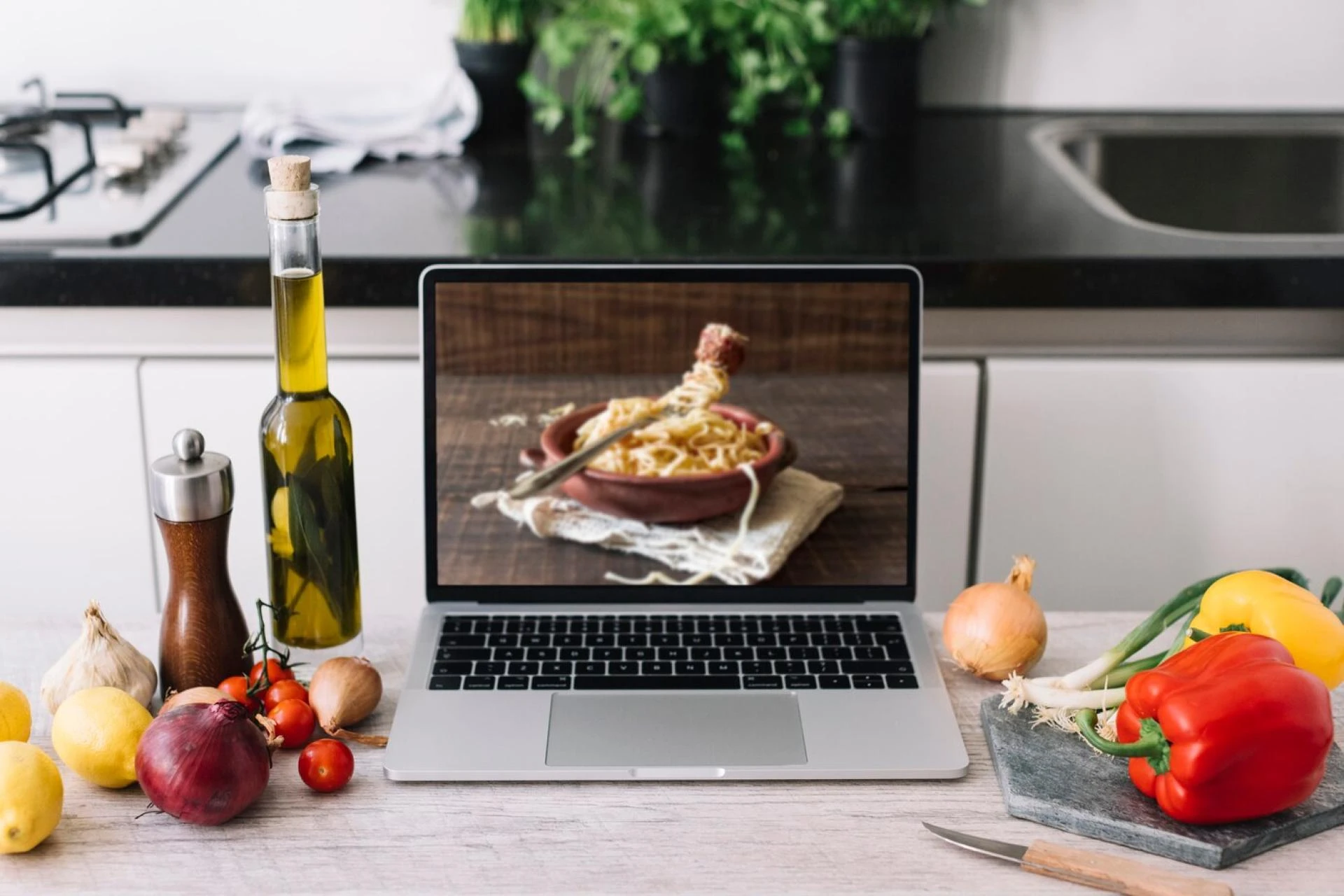
Food is visual, and your website should be too. In 2025, customers expect high-resolution images and even short videos that showcase the ambiance, dishes, and personality of your restaurant. Poor-quality images can actually hurt your brand.
Consider hiring a professional food photographer or using a restaurant marketing agency to help with visual content. If that’s not in the budget, even a well-lit smartphone photo taken with care can go a long way.
Bonus Tip: Add a short video tour of your restaurant or a behind-the-scenes look at your kitchen to build trust and interest.
4. Online Reservations and Ordering
Convenience is key. If a customer can’t book a table or place an order from your website in just a few clicks, they might go somewhere else. Use integrated tools like OpenTable, Resy, or in-house reservation systems. For takeout or delivery, make sure the ordering process is smooth and clearly labeled.
Avoid linking to third-party apps without clear direction — if people get lost or redirected too many times, they’ll give up.
5. Highlight Reviews and Social Proof
In 2025, people rely heavily on reviews and social proof before deciding where to eat. Including recent testimonials, star ratings, or embedded Google/Yelp reviews on your homepage builds trust. You can also feature user-generated content from Instagram, like photos tagged at your restaurant.
Make sure your review links open in a new tab so visitors don’t leave your site entirely.
6. SEO and Local Optimization
Even the best-designed website won't convert if no one can find it. Make sure your site is optimized for local search so it shows up when someone types in “best tacos near me” or “Italian restaurant in [your city].”
Use keywords naturally throughout your site — not just in blog posts, but in your headings, image alt text, and meta descriptions. A restaurant marketing agency can help refine this strategy if needed, but there’s plenty you can do on your own.
Essentials:
- Claim and update your Google Business Profile.
- Include your full address and city name in your footer.
- Add schema markup to your website (many platforms offer this automatically).
7. Track and Test Everything
A high-converting website is never truly finished — it's always being improved. Use tools like Google Analytics or Hotjar to track what users do on your site. Which pages are most visited? Where do people drop off?
Try A/B testing different headlines, call-to-action buttons, or images to see what works best. Even small tweaks can lead to big increases in conversions.
Final Thoughts
Creating a high-converting website for your restaurant in 2025 comes down to a mix of design, functionality, and user-focused thinking. The goal is to make it easy for people to find you, trust you, and take action — whether that’s reserving a table, placing an order, or simply learning more about your brand.
You don’t need to be a tech expert to get started. But if you do need help, working with a restaurant marketing agency can offer valuable insights and tools to elevate your online presence.
In the end, your website should be as inviting and memorable as the meals you serve.