The dining area is more than just a place to eat. It is where families gather at the end of the day, friends sit together over long conversations, and special occasions are shared around the table. Creating a dining space that feels comfortable, practical and inviting therefore requires more than simply choosing attractive furniture. The right combination of seating, table space, materials and layout can transform an ordinary dining area into one of the most welcoming parts of a home.
Start With the Right Dining Layout
Before choosing furniture, consider the size and shape of the room. A large dining area offers greater flexibility, while a smaller space requires furniture that makes efficient use of the available floor area.
Measure the room carefully and consider how much space is needed to comfortably pull chairs away from the table. There should also be enough room for people to walk around the dining furniture without constantly bumping into chairs or walls.
For open-plan homes, the dining area can also help define different zones within a larger living space. Positioning the dining furniture between the kitchen and living area can create a natural transition between the two spaces while keeping the overall layout connected.
Choose Seating That Works for Everyday Life
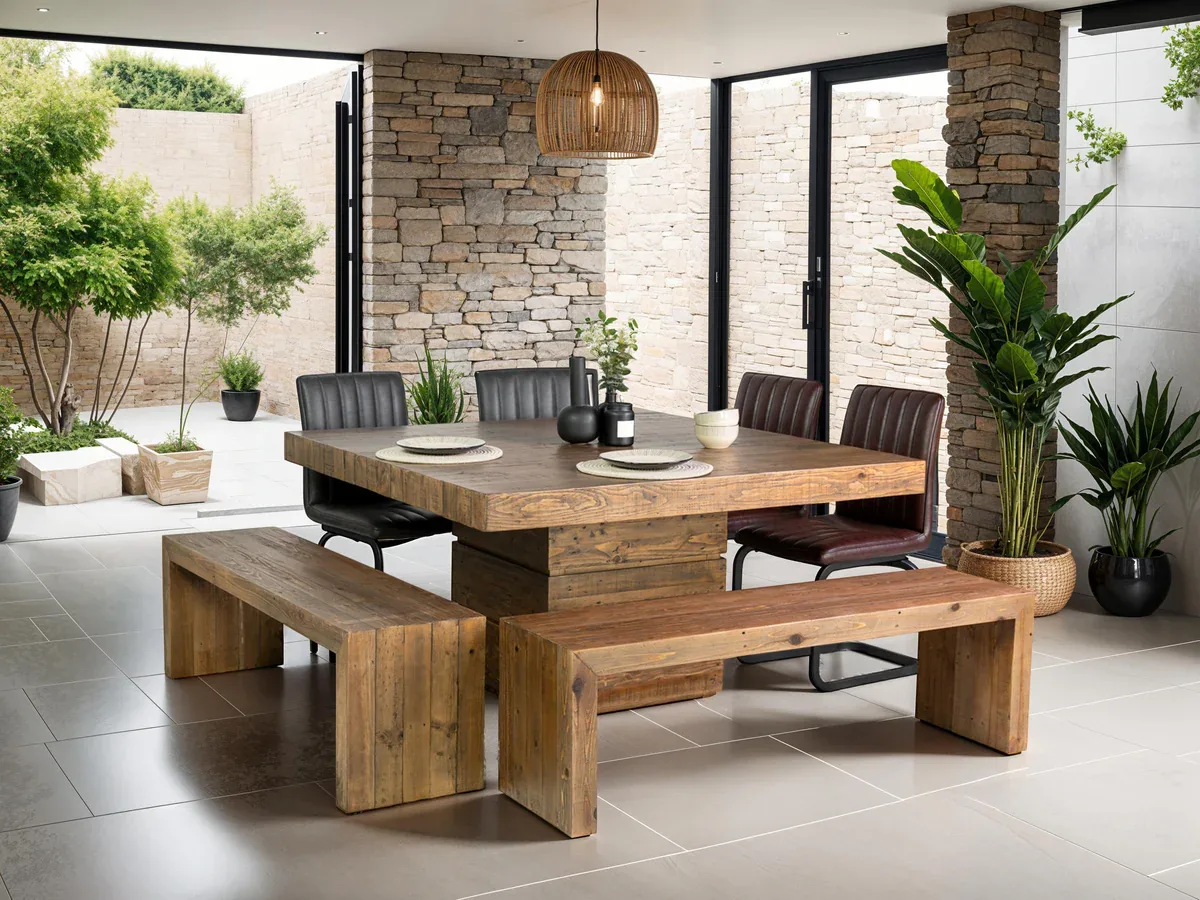
Dining chairs remain a popular choice, but benches can offer a practical alternative, particularly for busy family homes. A dining bench can accommodate several people along one side of a table while maintaining a clean and uncluttered appearance.
Benches are especially useful when space is limited because they can often be pushed completely underneath the table when not being used. This helps create more open floor space and makes the dining area easier to move around.
For larger households, combining a bench with individual dining chairs can provide a flexible seating arrangement. Children can sit together on the bench, while adults can use chairs at either end or on the opposite side of the table.
Find a Table That Matches Your Lifestyle
The dining table is naturally the focal point of the room, so its size and design should reflect how the space will actually be used. A compact table may be ideal for everyday meals, while larger households may benefit from a design that provides additional seating when guests arrive.
Think about the occasions when the table will be used. If you regularly host family gatherings or dinner parties, having additional table space can be particularly useful. Extendable designs are one option because they can remain compact during everyday use and provide extra capacity when required.
Material is another important consideration. Wooden dining tables can introduce warmth and character, while contemporary materials can create a more modern appearance. The best option will depend on your existing décor and how much maintenance you are prepared to undertake.
Consider a Coordinated Dining Set
If you want a straightforward way to create a cohesive dining area, choosing dining table and chairs together can make the process considerably easier.
A coordinated dining set ensures that the table and seating complement each other in terms of colour, proportions and overall design. This can be particularly useful when furnishing a room from scratch or replacing several pieces of furniture at the same time.
Dining sets are available in a wide range of styles, from traditional wooden designs to contemporary combinations featuring modern finishes. Choosing a coordinated set can also reduce the time spent trying to match individual pieces.
Match the Furniture to Your Interior Style
Your dining furniture should complement the wider character of your home. In a traditional interior, natural wood, classic silhouettes and neutral upholstery can create a timeless appearance. Modern rooms may benefit from clean lines, minimalist shapes and contrasting materials.
You do not necessarily need every piece to match perfectly. Mixing complementary textures and finishes can add personality without making the room feel disjointed. For example, a wooden table can work well with upholstered chairs or a contrasting bench.
Consider the colour of the flooring, walls and surrounding furniture when making your choices. Neutral dining furniture can provide greater flexibility if you regularly change accessories or décor.
Make Comfort a Priority
A dining room can look beautiful but still be disappointing if the furniture is uncomfortable. Consider seat height, back support and available legroom when selecting chairs or benches.
Comfort becomes particularly important if your dining table is used for activities beyond meals. Families may use the dining area for homework, working from home, board games or entertaining guests, meaning people could spend considerably longer sitting there than expected.
Adding cushions, rugs or soft lighting can also make the space feel warmer and more comfortable. However, avoid overcrowding the room with accessories that make movement difficult.
Create a Dining Space Built for Your Home
The best dining area balances appearance with practicality. Rather than choosing furniture based purely on its appearance, consider how many people need to use the space, how often you entertain and how much room is available.
A well-chosen table paired with comfortable seating can make everyday meals more enjoyable while providing a welcoming setting for larger gatherings. Whether you prefer the flexibility of a bench, the familiarity of individual chairs or the convenience of a coordinated dining set, thoughtful furniture choices can help create a dining space that works beautifully for everyday life.
With the right proportions, materials and layout, even a relatively simple dining area can become a comfortable and stylish centrepiece of the home.