Updating your living room and dining room can make a significant difference to the comfort and appearance of your home. These spaces are often used throughout the day, whether for relaxing, entertaining guests or enjoying family meals.
Choosing the right furniture is therefore essential. A comfortable sofa can transform your living room into a welcoming place to unwind, while a stylish dining table can create an attractive setting for everyday meals and special occasions.
However, furnishing multiple rooms can become expensive without proper planning. Understanding what to prioritise, comparing materials and looking for suitable offers can help you achieve an attractive interior while managing your budget.
1. Start with a Home Furniture Budget
Before purchasing new furniture, establish a realistic budget for your living room and dining area.
Make a list of the items that need replacing and identify which purchases are most important.
For example, a worn-out sofa may be a higher priority than decorative accessories, while a dining table may be essential if your existing furniture no longer accommodates the household.
Divide your budget between the main furniture pieces and smaller finishing touches.
This approach helps prevent unnecessary spending and makes it easier to compare products within your preferred price range.
2. Look for Value When Buying a New Sofa
The sofa is often the centrepiece of the living room. It provides everyday seating and contributes significantly to the room's overall appearance.
When choosing a sofa, consider the available space, seating capacity, upholstery material and cushioning.
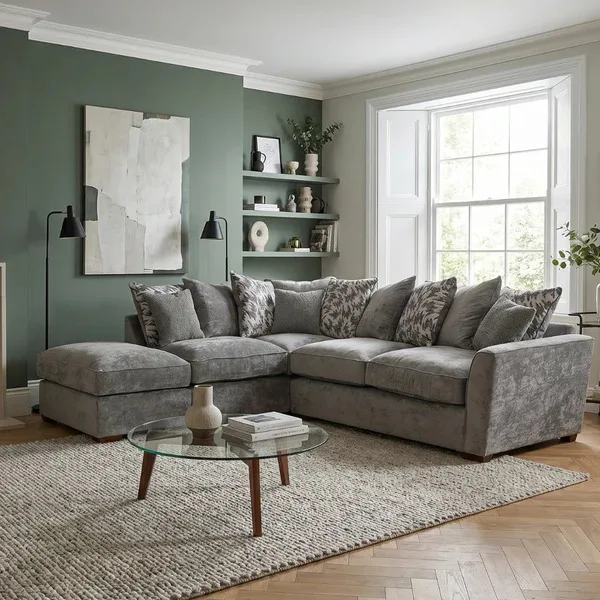
Two-seater sofas can be suitable for smaller rooms, while three-seater and corner designs provide additional seating for larger households.
Recliner sofas offer another option for people who prioritise relaxation.
When comparing sofa deals, do not focus exclusively on discounts. Review the product dimensions, materials, frame construction and warranty to understand the overall value.
3. Choose Upholstery That Suits Your Lifestyle
Different upholstery materials offer different benefits.
Fabric sofas are available in a wide variety of colours and textures, making them easy to coordinate with different interior styles.
Leather sofas provide a distinctive appearance and can be relatively straightforward to clean when maintained correctly.
Synthetic upholstery options may offer practical alternatives for households looking for particular combinations of appearance, price and maintenance.
Consider whether the sofa will be used by children, pets or frequent visitors when selecting the material.
A sofa should be comfortable and attractive, but it should also suit the demands of everyday household life.
4. Select the Right Dining Table for Your Home
The dining table is another important furniture investment.
Its size and shape should complement the room layout while providing sufficient seating.
Rectangular tables are versatile and suitable for larger households. Round and square designs can work well in smaller dining areas.
Extendable tables offer additional flexibility because they can accommodate extra guests when required.
Think about the number of people who regularly use the table and whether the dining area serves other purposes, such as working or studying.
5. Explore Ceramic Dining Table Sets
Ceramic dining tables have become increasingly popular in contemporary homes.
They offer a sophisticated appearance and can introduce an elegant focal point into the dining room.
Ceramic surfaces are often selected for their practical characteristics, including resistance to everyday marks and ease of cleaning, although performance depends on the specific product and manufacturer.
They are available in different colours, patterns and finishes, allowing homeowners to choose designs that complement their interior style.
A coordinated ceramic dining table set can simplify furniture selection by combining a suitable tabletop with complementary seating.
Before purchasing, check the table dimensions, base construction, chair specifications and care instructions.
6. Coordinate Living Room and Dining Room Designs
In many modern homes, the living and dining areas share an open-plan layout.
This makes it important to create visual consistency between the two spaces.
You can achieve this by repeating similar colours, materials and finishes.
For example, wooden accents in the living room can complement dining furniture with natural finishes.
Neutral sofa upholstery can also work well alongside a dining set featuring lighter colours.
Rugs, pendant lighting and decorative accessories can help define each area while maintaining a connected appearance.
7. Make Smaller Rooms Work Better
Smaller properties require careful furniture selection.
Choose sofas that provide sufficient seating without overwhelming the living room.
Compact coffee tables, nesting tables and wall-mounted storage can help maximise usable space.
In the dining area, consider extendable tables and benches that can be tucked away when not required.
Mirrors and lighter colour schemes can help make rooms feel more spacious.
Avoid purchasing furniture simply because it looks attractive in a showroom. Always consider the dimensions of your own property.
8. Take Advantage of Seasonal Furniture Offers
Furniture retailers may offer promotions during different periods of the year.
Seasonal sales, clearance events and special offers can provide opportunities to purchase furniture at competitive prices.
However, it is important to compare the specifications of discounted products with similar models.
Check whether the promotion applies to the entire product range or only selected items.
Also review delivery costs, stock availability and returns policies before making a decision.
A genuine saving should provide good value without requiring you to compromise on essential product features.
9. Consider Quality and Long-Term Durability
A furniture purchase should ideally provide value over several years.
Check the construction of sofas, the quality of dining table materials and the stability of chairs.
Review product specifications and care recommendations carefully.
For upholstered furniture, consider the fabric composition and cushioning. For dining tables, examine the tabletop finish, supporting structure and maintenance requirements.
A slightly higher initial investment may be worthwhile if the product offers better durability and meets your household's requirements.
10. Complete the Look with Accessories
Once the main furniture is in place, decorative accessories can help bring the rooms together.
Cushions and throws can introduce colour and texture to the living room.
A rug beneath the coffee table can create a comfortable seating zone, while artwork can add personality to otherwise simple walls.
In the dining area, centrepieces, table runners and suitable lighting can enhance the overall appearance.
Keep accessories coordinated and avoid overcrowding surfaces.
Final Thoughts
Updating your living room and dining room does not necessarily require a complete renovation or an unlimited budget. By prioritising essential furniture, comparing product specifications and exploring suitable offers, you can make meaningful improvements while keeping spending under control.
A comfortable sofa, a practical dining table and coordinated accessories can transform everyday living spaces into attractive and functional areas for the whole household.