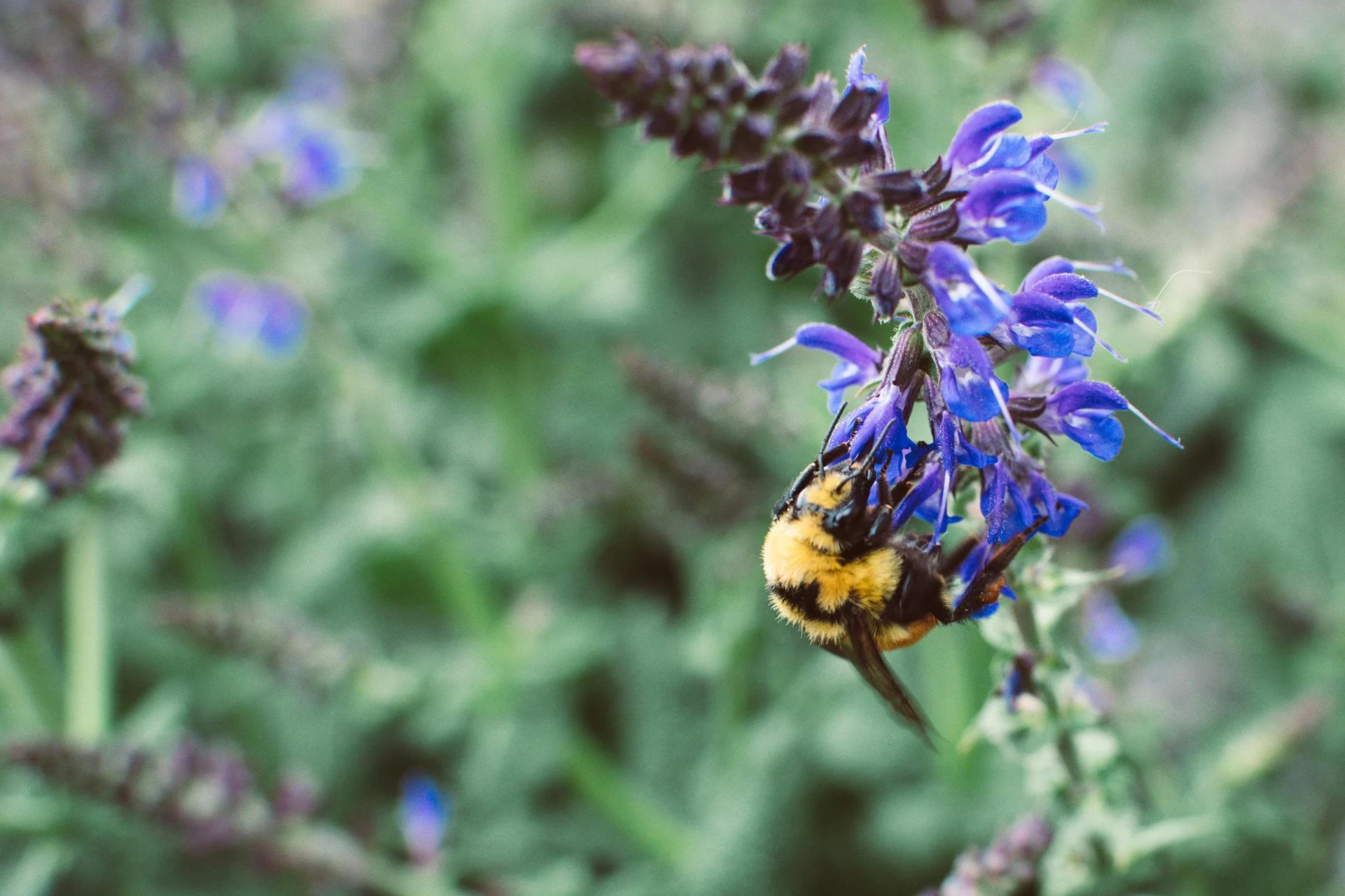
Image source: Pexels
A bee‑friendly garden is more than a pretty border. It is a living pantry and sanctuary that helps your colonies build population, store surplus, and ride out the lean stretches between nectar flows. With a thoughtful plan, even a small yard can feed honeybees and native pollinators from the first warm days of spring through the last flowers of fall. The steps below will help you design, install, and maintain a landscape that works in tandem with your apiary.
Map a Bloom Calendar for Continuous Forage
Start with a simple goal. Offer nectar and pollen in every month your bees fly. To do this, list your local frost dates and sketch a bloom calendar that spans early, mid, and late season. In spring, prioritize early floral resources that fuel brood rearing, such as willows, maples, serviceberry, crocus, and lungwort. As temperatures rise, shift to reliable midseason producers like clover, thyme, lavender, bee balm, and sunflowers. Close with late performers that support winter bee production, including asters, goldenrods, sedums, and anise hyssop.
Group each plant in patches rather than scattering single specimens. Foragers work more efficiently when they can visit many flowers of the same species without long flights between plants. If you have room for small trees or shrubs, include a few heavy hitters such as basswood, vitex, buttonbush, and blueberry to add depth to your bloom calendar and create vertical structure for nesting birds and beneficial insects.
Build Around Native Plants and Right‑Size the Site
Native species belong at the heart of a bee garden because they usually offer higher quality nectar and pollen than many ornamentals and they support the full life cycle of local pollinators. Choose plants adapted to your soil, sun, and moisture. A dry, south‑facing strip calls for drought tolerant natives like prairie dropseed, coneflower, and native salvias. A moist swale might be better for joe pye weed, swamp milkweed, and blue flag iris.
Balance your palette with a mix of flower shapes. Flat umbels, open daisies, and tubular blooms each serve different bees with different tongue lengths. Avoid double flowers and highly bred novelty forms that may offer little nectar or pollen. If you like the look of a cultivar, check that pollinators actually visit it before buying more.
Add Clean Water and Safe Nesting Spaces
Bees need water to cool the hive, dilute honey, and mix brood food. Provide a reliable, shallow source near your apiary. A glazed saucer with pebbles, wine corks, or floating wood gives safe footing. Refresh it often so it does not become a mosquito nursery. In warm climates, a slow drip keeps the surface clean and moving.
Nesting habitat is the quiet backbone of a pollinator garden. Leave a few pockets of bare, well‑drained soil for ground‑nesting native bees. When you cut back perennials in late winter, save a cluster of hollow or pithy stems at different heights to support cavity nesters. Brush piles and small log rounds add shelter and overwintering sites. If you keep tidy beds, dedicate one area as a mini wild patch where natural processes can play out without interruption.
Design for Flight Paths, Wind, and Human Use
Plant placement matters as much as plant choice. Keep the busiest beds away from doorways, patios, and play spaces to reduce close encounters during peak foraging hours. Use dense shrubs, trellised vines, or tall grasses to create gentle windbreaks that lift bee traffic above head height and make hives easier to regulate in hot or gusty weather.
Think like a beekeeper while you plant. Leave a clear route for moving equipment and add flat stepping stones near boxes so you can set supers down without crushing stems. If you run irrigation, put your mainline where it will not block wheelbarrows or hive stands. A small storage bin tucked out of sight can hold spare emitters, pruners, and a clean jug for refilling the water tray. When you need gear or replacement parts, suppliers such as Mann Lake bees can help you round out the practical details so you can focus your budget on perennial plants and soil preparation.
Keep Chemicals Out and Practice Gentle Management
A pollinator garden loses its value if flowers carry pesticide residues. Adopt integrated pest management so chemicals are a last resort. Start with healthy soil and right‑sized plants that resist disease. Hand pick pests, blast aphids with water, and encourage natural enemies by mixing in nectar plants that feed lacewings, hoverflies, and parasitoid wasps. If you must treat a serious problem, choose the least toxic option, avoid systemic insecticides, apply in the evening when bees are not flying, and never spray open blooms.
Weed pressure is inevitable, especially in the first two years. Mulch exposed soil with shredded leaves, arborist chips, or clean straw, keeping a small ring clear around the crown of each plant. Aim for steady, shallow weeding sessions rather than marathon cleanups that disturb roots and soil life. Over time, as perennials knit together, they will shade out many opportunistic weeds on their own.
Maintain With Light Touches and Track What Works
Maintenance is where a bee garden proves its worth. Deadhead to extend bloom, but leave some seedheads for birds and winter structure. Divide crowded clumps to prevent shading and to spread your best performers into open gaps. Replenish mulch in spring, and water deeply but infrequently to drive roots down. In late winter, cut back stems in sections rather than all at once. This staggered cleanup conserves habitat and reveals where early pollinators are active.
Keep short notes after hive inspections and while you work in the garden. Record what is blooming, where you see heavy foraging, and whether your water source is popular. Match those observations with apiary data on nectar intake and brood pattern. After a season or two, you will see which plantings truly support your colonies and where a swap is needed to close a forage gap. Small refinements each year are more effective than a complete redesign every spring.
Conclusion
When you give bees a thoughtful landscape, your apiary benefits from steadier nutrition, calmer foraging, and stronger build‑ups. Plan for continuous bloom, rely on native species, offer clean water and nesting sites, and keep chemicals out of the food web. Design the layout to respect flight paths and your day‑to‑day beekeeping, then maintain with light touches and good notes. Over time, your garden and your colonies will teach each other, and the whole yard will hum with the kind of life that makes beekeeping a joy.