
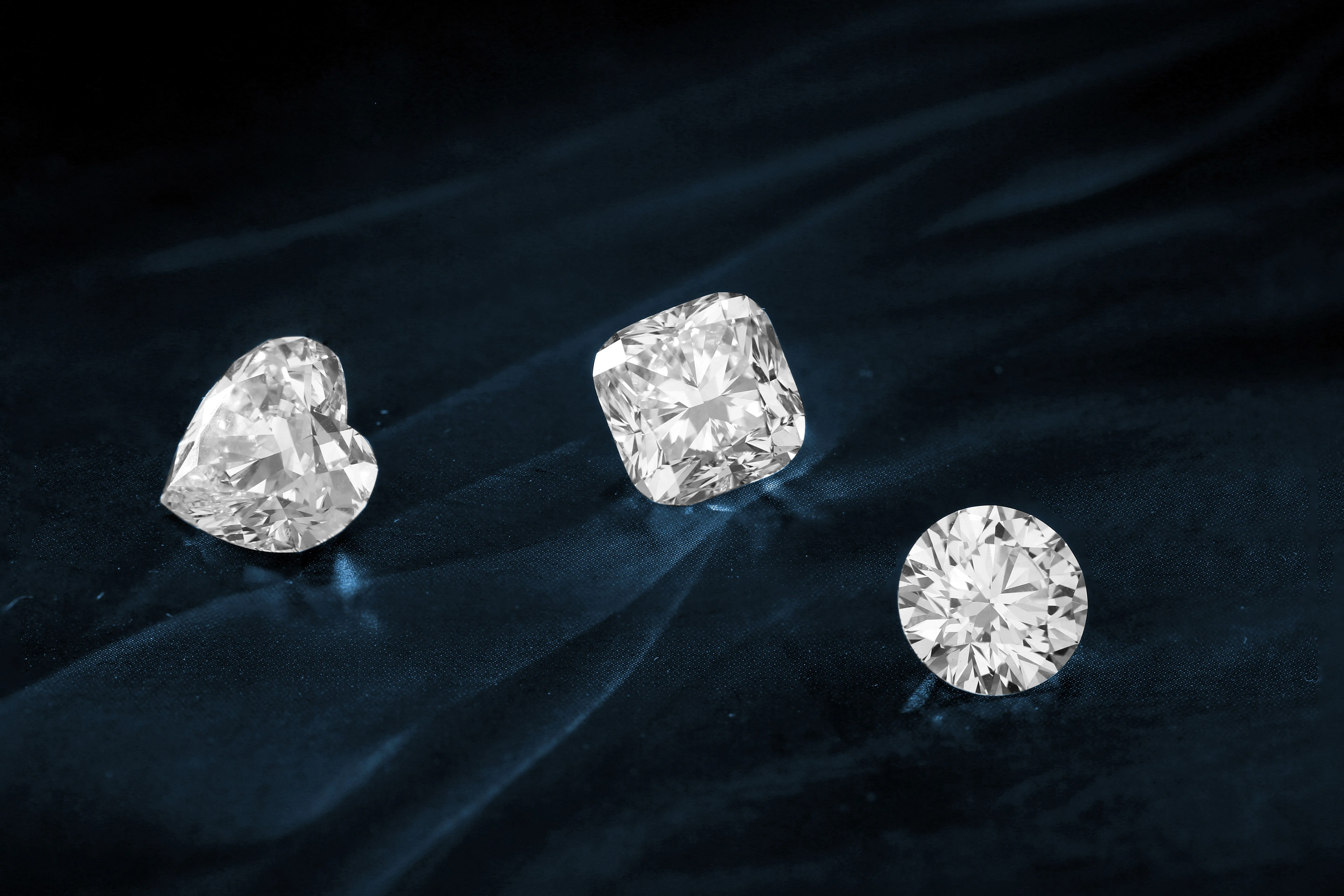
Buying a diamond is an important decision, and shopping online gives buyers access to a much wider selection than visiting a single jewelry store. However, having more choices can also make the process confusing. When several diamonds look similar on a product page, it can be difficult to understand why their prices differ or which stone offers the better overall value.
Learning how to Compare Diamonds Online can make the buying process more organized and less stressful. Instead of choosing a diamond based only on carat weight or price, shoppers can evaluate its shape, cut, color, clarity, measurements, certification, and other details. A structured comparison helps you understand what you are actually paying for and whether a particular diamond matches your priorities.
Why Comparing Diamonds Matters
Diamonds are not priced according to size alone. Two stones with the same carat weight can have noticeably different prices because their quality characteristics and proportions may vary.
For example, a one-carat round diamond with strong cut characteristics and a reputable grading report may cost more than another one-carat diamond with different specifications. The difference is not necessarily a sign that one seller is overcharging. It may reflect differences in the stone itself.
Online comparison allows shoppers to examine several options side by side before making a decision. This can be especially useful when searching for engagement rings or loose diamonds.
A proper comparison can help you:
- Understand differences between similar diamonds
- Identify specifications that matter most to you
- Evaluate price against quality
- Create a practical shortlist
- Avoid choosing solely on promotional pricing
- Make a more informed purchasing decision
Understand the Four Cs First
Before comparing individual diamonds, it helps to understand the four primary quality factors: carat, cut, color, and clarity.
Carat Weight
Carat measures a diamond's weight. It does not directly describe how large the diamond looks from above.
Two diamonds with the same carat weight can have different measurements and proportions. Therefore, carat should be considered alongside the stone's dimensions and other characteristics.
If size is important to you, review the measurements rather than relying only on the carat number.
Cut Quality
Cut has a major influence on how a diamond interacts with light. A well-cut diamond can display attractive brightness, contrast, and sparkle.
When comparing round diamonds, look carefully at the available cut information. For fancy shapes, such as oval, pear, cushion, or emerald, there may not be a single standardized cut grade in the same way there is for round diamonds, so proportions and visual information become particularly useful.
Color Grade
Color refers to how much body color a diamond shows. Many shoppers looking for a traditional colorless appearance prefer higher color grades, but the ideal choice depends on personal preference, diamond shape, setting, and budget.
A slightly lower color grade may still appear attractive, particularly in certain shapes or metal settings.
Clarity Grade
Clarity measures characteristics such as inclusions and blemishes. A higher clarity grade can increase cost, but the highest available grade is not automatically necessary for an attractive diamond.
The key question is whether clarity characteristics are visible under normal viewing conditions. Comparing the actual diamond images and available videos can provide useful context.
Look at Diamond Shape
Shape is another important factor when comparing diamonds online. Round diamonds are often evaluated differently from fancy shapes such as oval, radiant, princess, pear, marquise, and emerald.
Start by identifying the shapes you genuinely like. Then compare diamonds within the same shape category.
For example, comparing a 1.5-carat oval with a 1.5-carat round does not provide a straightforward price comparison because shape influences appearance, demand, proportions, and pricing.
A more useful comparison would involve several oval diamonds with similar carat weights, color grades, clarity grades, measurements, and certification.
Check the Diamond's Measurements
Measurements are easy to overlook when shopping online, but they can provide valuable information.
Two diamonds with identical carat weights can have different length, width, and depth measurements. These differences may influence how large the stone appears when viewed from above.
When comparing diamonds, record the measurements of each shortlisted stone. This is particularly helpful when you are trying to maximize visible size within a specific budget.
For fancy-shaped diamonds, the length-to-width ratio can also affect the overall appearance. Some shoppers prefer elongated shapes, while others prefer a wider or more balanced outline.
Review the Grading Report
A diamond grading report provides important information about a stone's characteristics. When shopping online, check whether the diamond comes with a report from a recognized gemological laboratory.
Compare the information on the product page with the details shown in the report. Look for consistency in:
- Carat weight
- Color
- Clarity
- Measurements
- Polish
- Symmetry
- Fluorescence
- Shape and cutting style
If important information is missing, consider asking the seller for clarification before purchasing.
Compare Price and Value Together
Price is naturally one of the biggest factors when shoppers compare diamonds online. However, the lowest price should not automatically determine the winner.
Instead, think about price relative to specifications.
Suppose you find three diamonds with similar carat weights:
- Diamond A has a lower price but weaker overall specifications.
- Diamond B costs slightly more and has balanced characteristics.
- Diamond C has premium specifications but is significantly more expensive.
Diamond B may provide the balance you want, depending on your priorities.
This approach shifts the focus from finding the cheapest diamond to finding the diamond that offers the best combination of appearance, quality, and cost for your budget.
Use a Diamond Comparison Platform
Searching individual retailer websites can take considerable time. A diamond comparison platform can simplify the research process by bringing relevant information together.
A useful comparison tool should make it easier to filter diamonds according to factors such as:
- Shape
- Carat weight
- Color
- Clarity
- Price
- Certification
- Other available specifications
Diamond comparison platforms such as diamondhedge can help shoppers organize options and evaluate diamonds based on more than a single characteristic.
However, comparison tools should be treated as part of the research process rather than a replacement for reviewing the actual diamond details.
Consider Your Setting
If you are buying a diamond for an engagement ring, the setting can influence how the center stone looks.
A diamond may appear different depending on whether it is placed in a solitaire, halo, pavé, bezel, or other setting. Metal color can also affect the visual impression of the diamond.
For this reason, consider the complete ring design rather than evaluating the center stone in isolation.
It can also be useful to compare the cost of the loose diamond separately from the cost of the setting. This helps you understand how much of your budget is going toward the stone itself.
Mistakes to Avoid When Shopping Online
Online diamond shopping becomes easier when you know what to watch for.
Choosing Only by Carat
A larger carat number does not guarantee better appearance. Consider cut, proportions, color, clarity, and measurements as well.
Selecting the Highest Clarity Automatically
Higher clarity can increase price without creating a noticeable visual difference. Focus on what can actually be seen.
Ignoring Certification
A grading report provides useful information for evaluating a diamond. Always review the available documentation.
Comparing Different Specifications
A meaningful price comparison requires reasonably similar diamonds. Comparing stones with significantly different characteristics can create a misleading impression of value.
Focusing Only on Discounts
A large discount does not automatically mean you are receiving a better deal. Evaluate the original specifications, final price, policies, and overall value.
Build a Personal Buying Checklist
Before making your final choice, create a short checklist based on your priorities.
Consider asking yourself:
- What diamond shape do I prefer?
- What carat range fits my budget?
- How important is color to me?
- What clarity level provides the appearance I want?
- Is the diamond properly graded?
- Do the measurements suit my preferred look?
- Does the price make sense compared with similar stones?
- What are the seller's return and warranty policies?
- Are there additional shipping, tax, or setting costs?
- Have I compared enough alternatives?
Answering these questions can reduce impulse purchases and give you a clearer reason for choosing one diamond over another.
Final Thoughts
The best way to Compare Diamonds Online is to look beyond price and carat weight. A diamond's shape, cut, color, clarity, measurements, certification, and overall appearance all contribute to its value.
Take time to compare diamonds with similar specifications, review their grading information, and consider how each option fits your budget and design preferences. A thoughtful comparison does not require choosing the most expensive diamond or the cheapest one. It means finding an option that provides the right balance of beauty, quality, and value for your individual needs.