
Keep That Showroom Shine
There's nothing quite like the day your new custom shower screen goes in. The glass is crystal clear, the hardware gleams, and the whole bathroom suddenly looks like something out of a magazine. The trick is keeping it that way.
Without a bit of regular TLC, even the best screen can end up cloudy, streaky and spotted with soap scum and water marks. Leave it long enough and you'll be battling mould in the seals and stiff, squeaky hinges too. The good news? Looking after a shower screen is easy once you've got a simple routine sorted, and a few minutes a week goes a long way.
In this guide, we'll walk you through daily habits, weekly cleans, deep cleaning tips and hardware maintenance, plus a few local tips for homeowners with Shower Screens Caboolture and the wider Moreton Bay region, where the humidity can make things a little trickier.
The Daily Habit: Squeegee After Every Shower
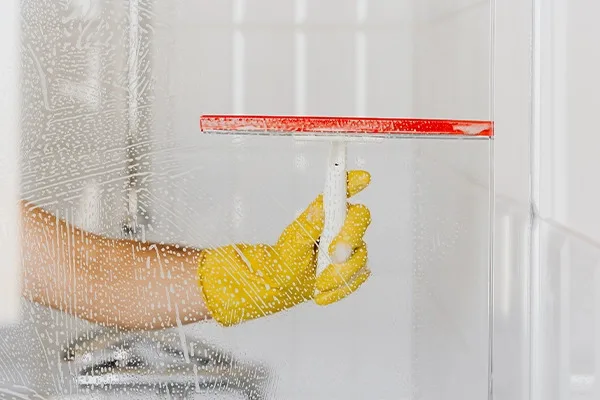
If you only take one thing away from this guide, make it this: squeegee the glass after every shower. It takes less than a minute, and it's the single best way to stop water spots and soap scum before they start.
When water dries on glass, it leaves behind minerals and soap residue. Do that day after day and those deposits build up into the stubborn white film that's so hard to shift. A quick squeegee removes most of the water before it gets the chance.
Here's how to do it properly:
1. Start at the top of the glass and pull the squeegee straight down in overlapping strokes.
2. Wipe the blade on a towel between strokes so you're not just moving water around.
3. Finish with a quick wipe along the bottom edge and around the seals with a microfibre cloth.
4. Leave the door open or the exhaust fan running so the shower can dry out.
Pro tip: hang the squeegee on a hook inside the shower. If it's right there, you're far more likely to use it.
The Weekly Clean
Once a week, give the screen a proper clean to remove anything the squeegee missed. You don't need harsh chemicals. In most cases, a gentle homemade solution does the job beautifully.
What you'll need:
● A spray bottle
● White vinegar and warm water (a 50/50 mix works well)
● A few drops of dishwashing liquid
● A soft, non-scratch sponge
● A couple of clean microfibre cloths
How to do it:
1. Spray the vinegar solution over the glass, inside and out.
2. Leave it to sit for five to ten minutes to soften any build-up.
3. Wipe gently with the soft sponge, working from top to bottom.
4. Rinse thoroughly with warm water.
5. Squeegee, then buff dry with a microfibre cloth for a streak-free finish.
If your screen has a protective coating, check the manufacturer's care instructions first. Some coatings are best cleaned with just warm water and a pH-neutral cleaner, and vinegar may not be recommended.
Deep Cleaning Stubborn Build-Up
If your screen has been neglected for a while (no judgement, life gets busy), a weekly spray might not cut it. Here's how to tackle the tougher stuff.
Hard water marks and soap scum. Make a paste of bicarb soda and a little water, then spread it over the affected areas. Spray vinegar over the top and let it fizz for 10 to 15 minutes. Gently rub with a soft sponge in circular motions, rinse well and buff dry. For really stubborn marks, you can repeat the process or soak paper towel in warm vinegar and stick it to the glass for 30 minutes before scrubbing.
Mould in seals and silicone. Mix a mild solution of water and diluted bleach or a mould-specific bathroom cleaner, and apply it to the affected seals with an old toothbrush. Leave it for the time recommended on the label, then rinse thoroughly. Always ventilate the room well, wear gloves, and never mix bleach with vinegar or other cleaners, as it creates toxic fumes.
Cloudy glass. If the glass stays cloudy after cleaning, it may be etched from years of mineral build-up rather than just dirty. Specialist glass restoration products can help in mild cases, but badly etched glass usually can't be fully restored.
What to Avoid
The wrong products and tools can do more harm than good. Keep these well away from your screen:
● Abrasive scourers and steel wool. They'll scratch the glass and damage coatings.
● Harsh chemical cleaners. Products containing ammonia or strong acids can damage protective coatings, seals and metal finishes.
● Scraping with blades. It's easy to leave permanent scratches.
● Abrasive powders on hardware. Matte black, brushed nickel and gold finishes can be dulled or stripped.
● Leaving cleaner to dry on the glass. Always rinse thoroughly, or you'll create streaks and residue.
Looking After Hardware, Seals and Frames
Clean glass is only half the story. The hinges, brackets, seals and frames keep your screen working smoothly and watertight, so they deserve some attention too.
Hinges and brackets. Wipe them down weekly with a soft cloth and warm, soapy water, then dry them off. Every few months, check that screws are snug and the door still sits level. If a hinge starts to squeak, a small amount of silicone-based lubricant usually sorts it out. Avoid oil-based products, which attract grime.
Seals and strips. The rubber or plastic seals along the door edges and base stop water escaping. Clean them gently during your weekly wash and check for cracks, splits or hardening every six months or so. Worn seals are cheap and easy to replace, and doing it early can save you from leaks and water damage.
Frames and tracks (semi-frameless screens). Frame edges and channels can collect grime and water. Use an old toothbrush or a cotton bud to get into corners, then rinse and dry. Keeping these areas dry is key to stopping mould getting a foothold.
Silicone. Check the silicone around the base and walls a couple of times a year. If it's peeling, cracked or stained black with mould that won't shift, it's time to have it removed and replaced.
Is a Protective Coating Worth It?
In a word, yes. A protective nano-coating fills the microscopic pores in the glass surface, helping water bead up and roll off rather than sitting there and leaving marks. It makes daily cleaning quicker, reduces soap scum build-up and helps keep the glass looking new for longer.
Many suppliers offer a factory-applied coating when you order a new screen, and some also offer after-market treatments for existing screens. Just remember to follow the care instructions, as harsh cleaners can wear a coating down over time.
Caring for Shower Screens in Caboolture's Climate
If you live up Caboolture way, you'll know summers can be hot, sticky and humid. That extra moisture in the air means bathrooms take longer to dry out, which creates ideal conditions for mould and mildew.
A few local tips for looking after Shower Screens Caboolture homes rely on:
● Ventilate, ventilate, ventilate. Run the exhaust fan during and for at least 15 to 20 minutes after every shower, or crack a window if you can.
● Keep the door open after showering so air can circulate.
● Stay on top of the squeegee habit, especially through the wetter months.
● Check seals and silicone more often, as humidity can speed up wear and mould growth.
● Choose humidity-friendly hardware when replacing parts, such as marine-grade stainless steel or quality powder-coated finishes.
Your Quick Maintenance Checklist
How oftenWhat to doAfter every showerSqueegee the glass, leave the door open, run the exhaust fanWeeklyClean glass with a gentle solution, wipe hardware and sealsMonthlyDeep clean any build-up, clean frame edges and tracksEvery 3–6 monthsCheck hinges, screws, seals and silicone for wearYearlyConsider a professional check-up or coating reapplicationWhen to Call in the Professionals
Some jobs are best left to the experts. Give a local shower screen specialist a call if you notice:
● Chips, cracks or deep scratches in the glass. Damaged toughened glass can shatter unexpectedly and should be assessed straight away.
● A door that drops, sticks or won't close properly, even after tightening.
● Persistent leaks that new seals don't fix.
● Silicone that needs replacing, as a proper job needs the old silicone fully removed first.
● Glass that's badly etched or permanently cloudy.
Sometimes a quick adjustment or part replacement is all it takes. Other times, especially with older screens, replacement is the smarter long-term option.
The Final Word
Looking after your custom shower screen doesn't need to be a chore. A quick squeegee after every shower, a gentle weekly clean and the occasional check of your hardware and seals will keep the glass sparkling and everything working smoothly for years.
Look after your screen and it'll look after you, keeping your bathroom fresh, dry and looking a treat. And if your screen is past saving or you're ready for an upgrade, reach out to a trusted local team for Shower Screens Caboolture homeowners rely on, and get your bathroom back to its showroom best.