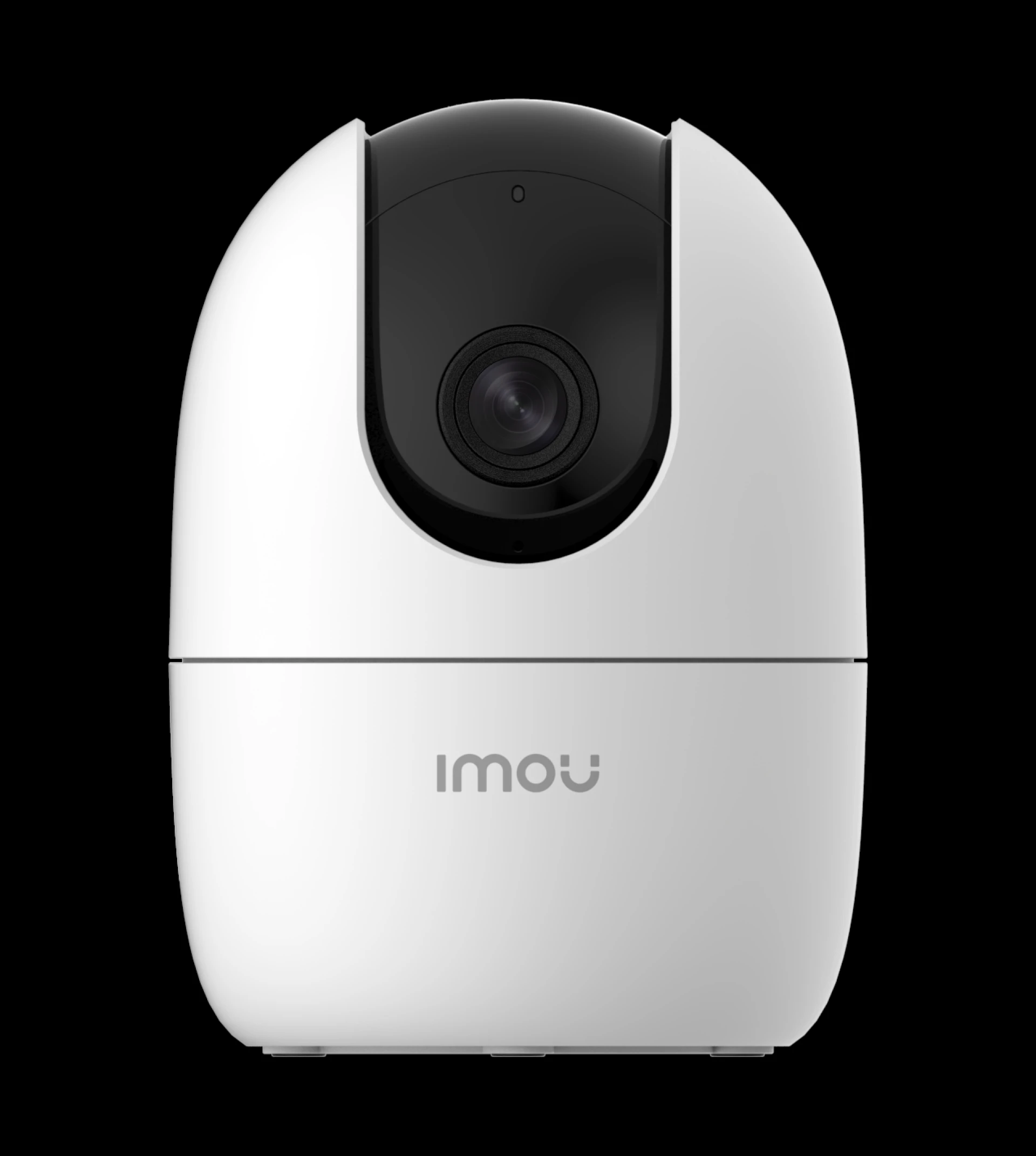
Wireless security cameras have become a popular choice for homes and businesses because they are easy to install, flexible, and affordable. However, choosing the right one can be challenging with so many options available. This guide explains the most important factors you should consider so you can make a confident and informed decision.
1. Identify the Area You Want to Monitor
Start by deciding where the camera will be installed. Different locations require different features.
- Indoor areas such as living rooms, offices, or shops
- Outdoor spaces like entrances, parking areas, or backyards
- Small rooms versus wide open areas
Once you know the location, it becomes easier to choose the right camera type, viewing angle, and durability level.
2. Understand Wireless Camera Types
Most wireless security cameras connect through Wi-Fi, but they differ in how they receive power:
- Plug-in wireless cameras require a nearby power outlet and provide continuous operation.
- Battery-powered cameras offer flexibility and are ideal for locations without easy access to power.
- Solar-powered cameras work well outdoors and reduce the need for frequent battery charging.
Choose the type that best fits your installation environment.
3. Choose the Right Video Resolution
Video quality plays a major role in identifying faces, objects, and movements.
- 1080p (Full HD) is sufficient for most homes and small businesses
- 2K or 4K resolution provides clearer details for larger areas
- Lower resolutions may be cheaper but often miss important details
Higher resolution cameras require more storage space and stronger internet connectivity.
4. Check Night Vision Performance
Security cameras should work effectively day and night. Most wireless cameras include night vision, but performance varies.
Look for:
- Infrared night vision range
- Color night vision with built-in lighting
- Clear image quality in complete darkness
Good night vision ensures reliable security after sunset.
5. Motion Detection and Alerts
Motion detection allows the camera to notify you when activity is detected.
Better cameras offer:
- Adjustable motion sensitivity
- Custom motion zones
- Real-time mobile alerts
- Smart detection that reduces false alarms
These features make monitoring more efficient and reduce unnecessary notifications.
6. Storage Options: Cloud or Local
Wireless cameras store recorded video using one or both of the following methods:
Cloud Storage
- Accessible from anywhere
- Safe backup even if the camera is damaged
- May require a monthly subscription
Local Storage
- Uses SD cards or local recorders
- No monthly fees
- Risk of data loss if the camera is stolen
Many users prefer cameras that support both options for added flexibility.
7. Wi-Fi Compatibility and Signal Strength
A stable Wi-Fi connection is essential for smooth video streaming.
Before buying, check:
- Whether the camera supports 2.4 GHz or 5 GHz Wi-Fi
- Your internet speed and coverage
- The need for Wi-Fi extenders in large spaces
Most wireless cameras are designed according to networking standards defined by IEEE, ensuring compatibility with common home and office networks.
8. Privacy and Security Features
Security cameras should protect your privacy as well as your property.
Important features include:
- Encrypted video transmission
- Secure login and password protection
- Two-factor authentication
- Regular firmware updates
These features help prevent unauthorized access and hacking attempts.
9. Durability and Weather Resistance
For outdoor cameras, weather protection is essential. Look for cameras with an IP rating such as IP65 or higher, which indicates resistance to dust, rain, and heat. Indoor cameras can focus more on design and size, especially if they are visible inside your space.
10. Set a Realistic Budget
Wireless security cameras are available at many price points. Instead of choosing the cheapest option, focus on value.
A reliable camera with good image quality, stable connectivity, and strong security features will save you money and trouble in the long run.
Final Thoughts
Choosing the right wireless security camera depends on your location, connectivity, and security needs. By focusing on image quality, storage options, privacy features, and durability, you can select a camera that provides dependable protection and peace of mind.