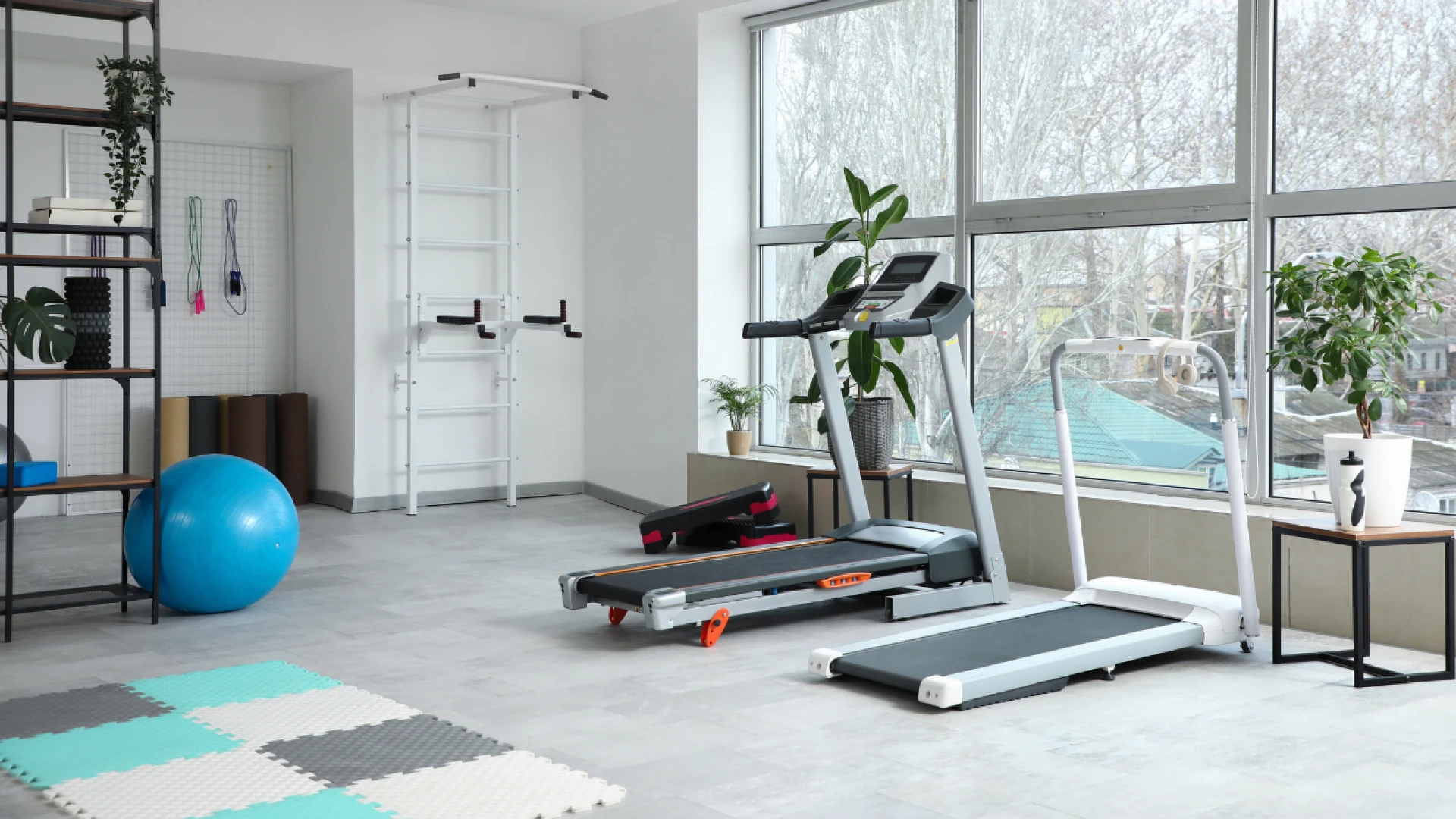
Selecting the right treadmill for home use can be more complex than it initially seems. While the concept is simple—walk, jog, or run indoors—the range of features, sizes, and specifications available makes thoughtful consideration essential. Choosing incorrectly can result in an underutilized machine, frustration, or even safety issues.
A treadmill is more than just a piece of exercise equipment; it is an investment in your health and daily routine. Understanding your specific fitness goals, available space, and long-term usability can help ensure you select a model that meets your needs without compromise.
This guide explores key considerations for selecting a treadmill at home, covering technical specifications, user comfort, and maintenance factors.
Understanding Your Fitness Goals
Before evaluating any machine, clearly define your personal fitness objectives. Are you primarily walking for cardiovascular health, jogging occasionally, or training for distance running? Different goals require different features.
Speed and Incline Capabilities
For walking or light jogging, a treadmill with a maximum speed of around 10 km/h may suffice. However, serious runners often need a treadmill that can reach speeds of 16–20 km/h and provides adjustable incline to simulate outdoor terrain. Incline features also increase the intensity of workouts, which can improve endurance and calorie burn.
Workout Programs and Tracking
Some machines offer pre-programmed workouts or interactive tracking for pace, heart rate, and calories burned. While not essential for all users, these features can help maintain motivation and provide a structured exercise routine.
Assessing Treadmill Dimensions and Space Requirements
A common mistake in home treadmill selection is underestimating the space required. Treadmills vary in size, and clearance around the machine is important for safety.
Footprint and Clearance
Measure the area where the treadmill will be installed. Standard treadmills usually range from 1.5–2 meters in length and 0.7–0.9 meters in width. Ensure there is at least 0.5 meters of clearance behind the machine and 0.3 meters on each side.
Foldable vs. Non-Foldable Models
Foldable treadmills are ideal for small apartments or rooms where space is limited. They allow for easy storage but may compromise slightly on stability or maximum speed compared to full-sized, non-folding models.
Motor Power and Durability
Motor specifications are a critical factor for long-term satisfaction. Motor power is measured in continuous horsepower (CHP), which indicates how well the machine performs over extended periods.
Choosing the Right Motor
- Walking and Light Jogging: 1.5–2.0 CHP is generally adequate.
- Running or High-Intensity Workouts: 2.5–3.0 CHP or more ensures smoother performance and longevity.
Durable construction, including a solid frame and quality deck, is also important. Cheaper machines may save money initially but tend to wear out faster, especially under frequent or intensive use.
Comfort and Safety Features
Comfort directly influences whether a treadmill will be used consistently. Poor cushioning or inadequate safety features can increase the risk of injury.
Deck Cushioning
Cushioning reduces impact on joints, which is particularly important for runners or those with prior injuries. Some models feature adjustable cushioning to mimic the feel of running outdoors or provide softer surfaces for walking.
Handrails and Safety Key
Handrails offer stability, while a safety key that stops the treadmill in an emergency is an essential feature, especially for households with children or older users.
Noise Level
A quieter treadmill is preferable in shared living spaces. Motorized machines vary in noise output, so checking user reviews or testing the machine before purchase can help avoid disruptions.
Technology and Connectivity
Modern treadmills often include digital consoles, smartphone connectivity, and app integration. While these are not necessary for a functional treadmill, they can enhance the exercise experience.
Display and Tracking
A clear, user-friendly display showing speed, incline, distance, and calories burned improves usability. Some consoles allow for Bluetooth or Wi-Fi connection, enabling progress tracking and personalized workouts.
Entertainment and Interactive Workouts
Some models offer virtual courses, streaming workouts, or compatibility with fitness apps. These features can make long sessions more engaging, though they generally increase cost and complexity.
Budget Considerations
Treadmill prices range from a few thousand to tens of thousands of baht. Consider both the initial purchase price and long-term maintenance costs.
- Entry-Level Models: Adequate for light walking and occasional jogging; usually have lower motor power and fewer features.
- Mid-Range Models: Suitable for consistent running, better durability, and moderate feature sets.
- High-End Models: Offer advanced tracking, robust motor systems, and long warranties, ideal for serious runners or households with multiple users.
Investing in quality initially often saves money over time, as a durable treadmill requires fewer repairs and can last many years.
Recommended Way to Buy
Before finalizing your choice, try the treadmill in person if possible. Walk or run at different speeds, test the cushioning, and assess the console. If purchasing online, read multiple user reviews and verify return policies.
Conclusion
Choosing the right treadmill for home use requires balancing personal fitness goals, space, motor performance, and comfort. Understanding each factor helps ensure long-term satisfaction and consistent use. While the decision may seem technical, focusing on your needs and prioritizing durability and usability leads to a treadmill that becomes a lasting part of your fitness routine.
FAQs
What motor power is suitable for walking versus running?
For walking, a treadmill with 1.5–2.0 CHP is sufficient. For running, especially at higher speeds, 2.5–3.0 CHP or more is recommended to ensure durability and smooth performance.
How much space is needed around a treadmill?
Allow at least 0.5 meters behind and 0.3 meters on each side of the machine. Standard treadmills are typically 1.5–2 meters long and 0.7–0.9 meters wide.
Are foldable treadmills less durable?
Not necessarily. Modern foldable models are designed with stability in mind. However, full-sized, non-folding machines may offer slightly better structural durability for intensive use.
Do I need a treadmill with advanced connectivity?
Connectivity features like app integration or interactive workouts are optional. They enhance motivation and tracking but are not essential for basic functionality.
How often should a treadmill be maintained?
Regular maintenance includes lubricating the deck, checking belt tension, and keeping the machine clean. For frequent users, a basic check every 3–6 months is recommended.