
Choosing the right packaging material is one of the most important decisions for any business. Packaging is not just about wrapping a product — it protects your goods, builds your brand image, ensures compliance, and influences customer buying decisions.
Whether you are in food, cosmetics, pharmaceuticals, or any other industry, selecting the correct packaging material can directly impact your product’s safety, shelf life, and market success.
Let’s understand how to make the right choice.
1. Understand Your Product Requirements
Before selecting any packaging material, you must clearly understand your product.
Ask yourself:
- Is your product solid, liquid, powder, or semi-liquid?
- Is it fragile or durable?
- Does it need protection from moisture, oxygen, or light?
- What is its shelf life?
- Does it require temperature control?
For example:
- Food products may need high-barrier materials to prevent spoilage.
- Cosmetic products may need leak-proof and attractive packaging.
- Industrial products may need durable and heavy-duty materials.
Understanding these factors helps you narrow down the most suitable packaging solution.
2. Types of Packaging Materials
There are various packaging materials available in the market. Each has its own advantages and best-use cases.
Plastic Packaging
- Lightweight and cost-effective
- Highly flexible
- Moisture-resistant
- Ideal for food, FMCG, and personal care products
Paper and Cardboard
- Eco-friendly and recyclable
- Suitable for dry goods
- Commonly used for outer packaging
Glass Packaging
- Premium look
- Excellent barrier properties
- Best for beverages, perfumes, and cosmetics
Metal Packaging
- Strong and durable
- Excellent protection against light and air
- Used for canned food and industrial products
Flexible Packaging
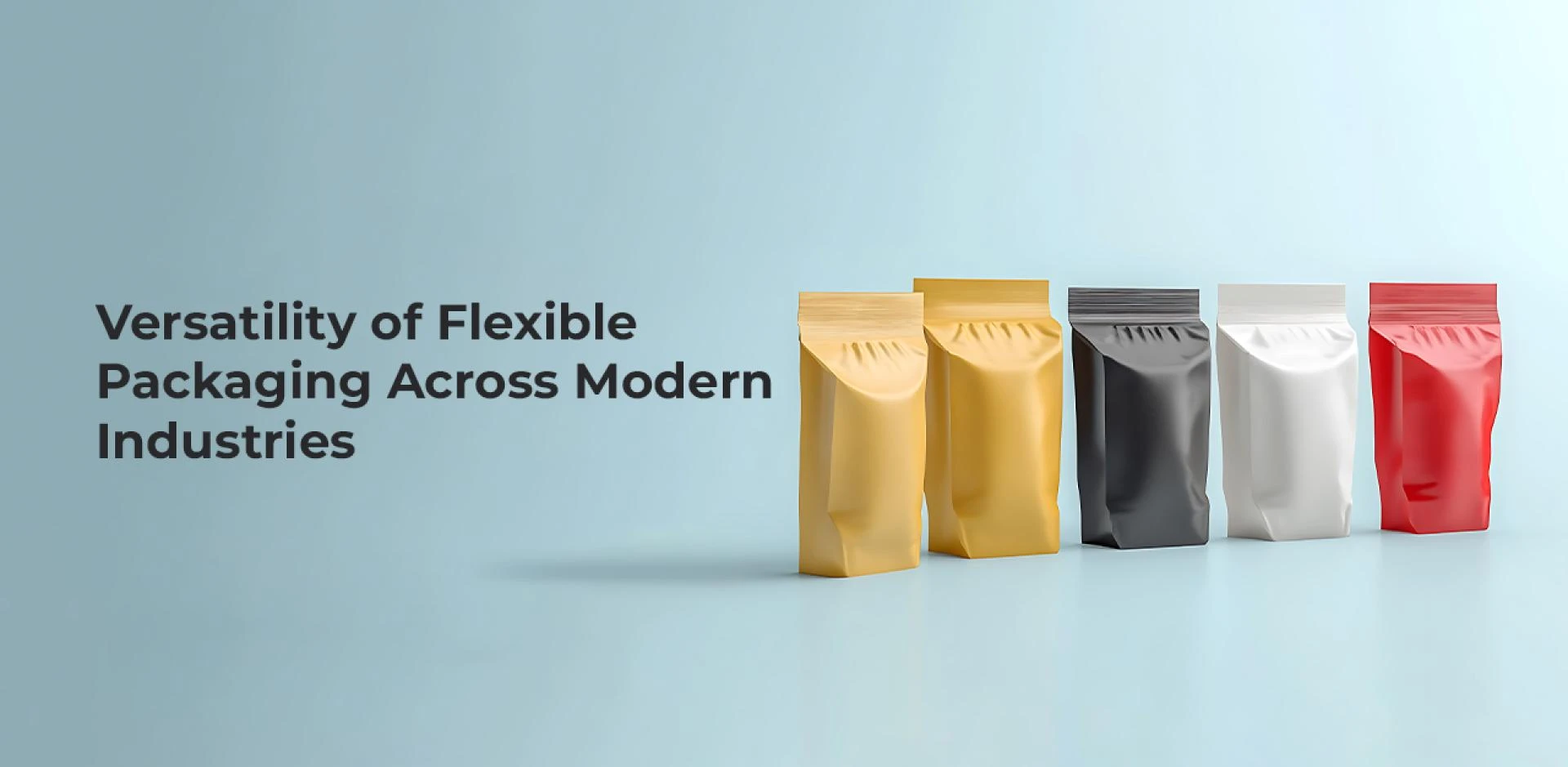
Flexible packaging is becoming one of the most preferred options across industries. It includes pouches, laminates, and films that are lightweight, durable, and customizable.
A reliable flexible packaging service allows businesses to design packaging that offers protection, branding, and convenience — all in one solution.
Companies like Whitelotus specialize in providing advanced flexible packaging solutions that meet different industry requirements while maintaining high quality and performance standards.
3. Consider Product Protection Factors
Protection is the primary function of packaging. Without proper protection, even the best product can fail in the market.
Here are key protection factors to consider:
Moisture Protection
Products like snacks, powders, and pharmaceuticals need moisture barriers to prevent spoilage.
Oxygen Barrier
Oxygen exposure can reduce shelf life, especially for food products.
Light Protection
Certain products degrade when exposed to sunlight or UV rays.
Physical Protection
Fragile items require cushioning and impact resistance.
Choosing the wrong material can lead to product damage, customer complaints, and financial losses.
This is where working with an experienced partner like Whitelotus becomes valuable, as they understand industry-specific protection requirements and recommend the right materials accordingly.
4. Evaluate Sustainability and Eco-Friendliness
Today’s consumers are more environmentally conscious than ever. Sustainable packaging is no longer optional — it is a competitive advantage.
When evaluating sustainability, consider:
- Is the material recyclable?
- Is it biodegradable?
- Does it reduce overall plastic usage?
- Is it lightweight to lower transportation emissions?
Modern flexible packaging service providers now offer eco-friendly options that reduce waste while maintaining product safety.
By choosing sustainable packaging, you not only help the environment but also strengthen your brand reputation.
5. Compliance and Industry Regulations
Every industry has specific packaging regulations. Ignoring these rules can lead to legal issues, product recalls, and penalties.
For example:
- Food packaging must comply with food safety standards.
- Pharmaceutical packaging must meet strict regulatory guidelines.
- Export packaging must follow international compliance standards.
Before finalizing packaging material, ensure it meets:
- Government regulations
- Industry standards
- Labeling requirements
- Safety certifications
A professional packaging company like Whitelotus ensures that all materials and processes comply with required standards, giving you peace of mind.
6. Partnering with the Right Packaging Supplier
Choosing the right packaging material is important — but choosing the right packaging partner is even more critical.
A good supplier will:
- Understand your product needs
- Offer customized solutions
- Maintain consistent quality
- Provide cost-effective options
- Ensure timely delivery
When you work with an experienced company like Whitelotus, you gain access to expertise, advanced technology, and tailored flexible packaging solutions that align with your business goals.
A trusted flexible packaging service provider does not just supply materials — they become a long-term growth partner for your brand.
Conclusion
Selecting the right packaging material is a strategic decision that affects product safety, brand perception, customer satisfaction, and profitability.
To make the best choice:
- Understand your product requirements
- Explore suitable material options
- Focus on protection and durability
- Consider sustainability
- Ensure regulatory compliance
- Partner with a reliable packaging expert
With the right approach and the support of an experienced company like Whitelotus, you can create packaging that not only protects your product but also enhances your brand value.
Investing in the right flexible packaging service today can give your business a strong competitive advantage tomorrow.