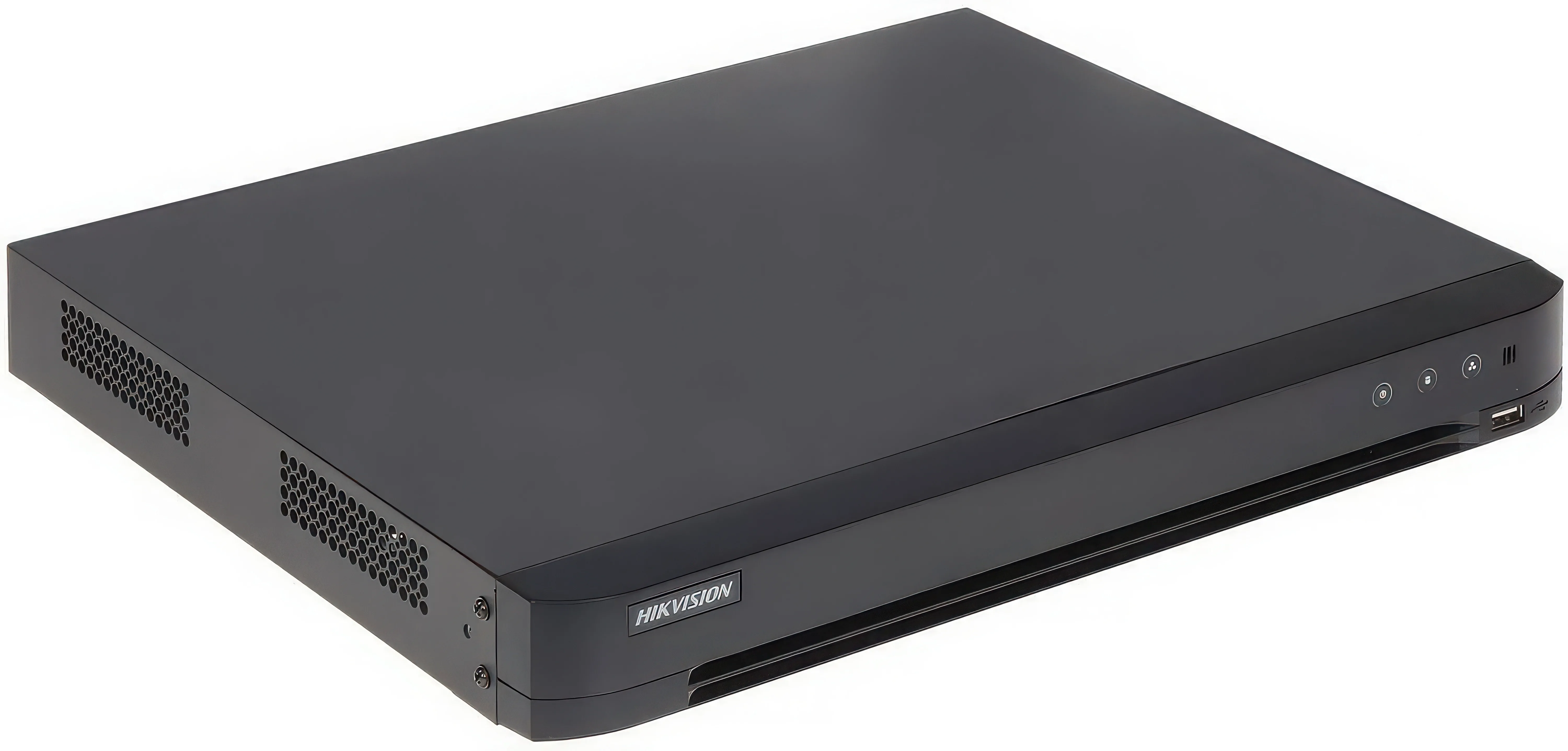
A Digital Video Recorder (DVR) is the core component of a CCTV surveillance system. It records, stores, and manages video footage from security cameras. Choosing the right DVR is essential for ensuring reliable monitoring, clear recordings, and long-term security. In this guide, we explain the key factors you should consider when selecting the right DVR for your CCTV cameras.
What Is a DVR in a CCTV System?
A DVR is a recording device used mainly with analog, HD analog, or coaxial CCTV cameras. It receives video signals from cameras, processes the footage, and stores it on an internal hard drive. DVRs also allow users to view live video, playback recordings, and access footage remotely through mobile apps or web browsers.
1. Number of Camera Channels
The first step in choosing a DVR is determining how many cameras you plan to use.
Common DVR options include:
- 4-channel DVR for small homes or shops
- 8 channel DVR for medium-sized properties
- 16-channel DVR or higher for offices, warehouses, or large areas
Always select a DVR with extra channels if you plan to add more cameras in the future.
2. Camera Compatibility
Not all DVRs support every camera type. Before buying, make sure the DVR is compatible with your cameras.
Check support for:
- Analog cameras
- HD analog formats such as HD-TVI, HD-CVI, or AHD
- Hybrid DVRs that support multiple camera technologies
Using incompatible cameras can result in poor video quality or system failure.
3. Video Resolution Support
Video resolution directly affects image clarity. Choose a DVR that supports the maximum resolution of your cameras.
Common DVR resolutions include:
- 720p
- 1080p (Full HD)
- 4MP, 5MP, or higher
For clear identification of faces and vehicles, higher resolution support is recommended.
4. Storage Capacity and Hard Drive Support
DVRs store footage on internal hard drives. Storage needs depend on the number of cameras, resolution, and recording mode.
Key points to consider:
- Supported hard drive size
- Number of hard drive slots
- Continuous or motion-based recording
Larger storage capacity allows longer video retention.
5. Recording and Compression Technology
Modern DVRs use video compression to reduce file size without sacrificing quality.
Look for support of:
- H.264 compression
- H.265 or H.265+ for better storage efficiency
Advanced compression helps save storage space and improves playback performance.
6. Remote Viewing and Mobile App Support
A good DVR should support remote access so you can monitor your cameras anytime.
Important features include:
- Mobile app compatibility
- Web browser access
- Live viewing and playback
- Push notifications for motion detection
Ensure the DVR supports stable remote viewing over the internet.
7. Motion Detection and Smart Features
Motion detection reduces storage usage and improves security by recording only when movement occurs.
Some DVRs also offer:
- Smart motion alerts
- Line crossing detection
- Human or vehicle detection
These features enhance overall surveillance effectiveness.
8. Night Vision and Camera Integration
Ensure your DVR works smoothly with night vision cameras. The DVR should properly record infrared or low-light footage without distortion.
This is especially important for outdoor and low-light surveillance areas.
9. Build Quality and Brand Reliability
Choosing a reliable brand ensures better performance, durability, and software updates.
Consider:
- Product warranty
- Firmware update availability
- Local service and support
A trusted brand reduces long-term maintenance issues.
10. Budget and Future Expansion
Balance your budget with your security needs. While low-cost DVRs may seem attractive, investing in a quality DVR ensures better reliability and performance.
Also consider future expansion, such as adding more cameras or upgrading resolution.
Conclusion
Choosing the right DVR for your CCTV cameras requires careful consideration of camera compatibility, resolution, storage capacity, and smart features. A well-chosen DVR ensures stable recording, clear footage, and reliable security monitoring. By understanding your current needs and planning for future expansion, you can select a DVR that provides long-term value for your CCTV surveillance system.