Baseball is a sport that combines coordination, speed, strength, and technique. Having suitable gear can help players feel comfortable while practicing and competing. Whether someone is just learning the fundamentals or regularly participates in organized games, choosing equipment that matches their position, experience, and physical needs is an important part of preparation.
Players use different types of gear for batting, fielding, running, and protection. Bats, gloves, helmets, cleats, and protective accessories all have specific purposes. Understanding these products can make it easier to build a practical setup without selecting items that are unsuitable for a player's level or style.
Essential Baseball Gear
Baseball Equipment typically includes a bat, glove, batting helmet, baseballs, cleats, batting gloves, and protective gear where required. The exact items a player needs can vary depending on their position and league rules.
A glove used by an infielder may have different characteristics from one designed for an outfielder or catcher. Similarly, catchers require specialized equipment such as a mask, chest protector, leg guards, and a catcher's mitt. Understanding these differences helps players select products suited to their role.
Choosing the Right Bat
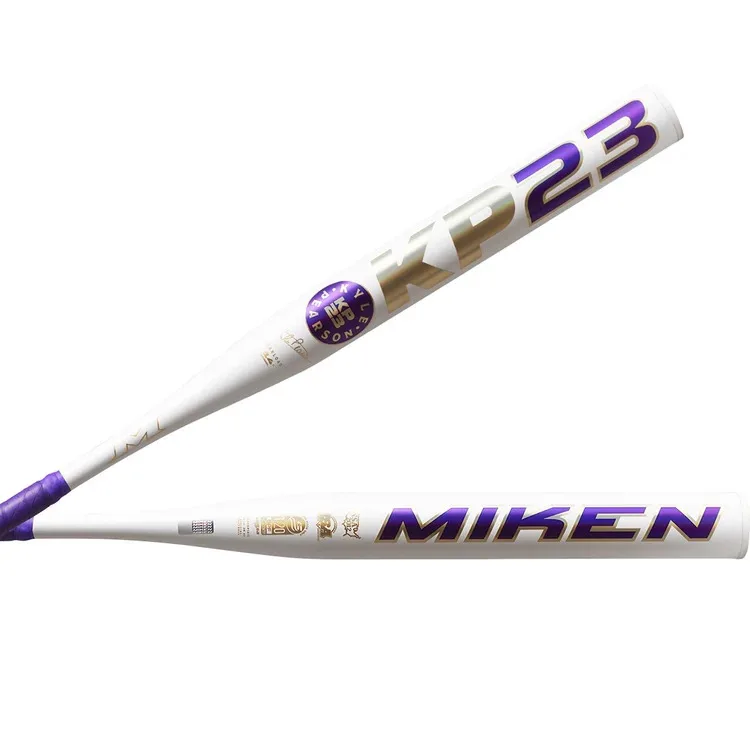
The bat is one of the most important pieces of equipment for an offensive player. Players should consider length, weight, material, barrel size, and league requirements when choosing a bat.
Younger players may need lighter bats that are easier to control, while stronger and more experienced players may prefer different weight distributions. A bat should allow the player to maintain control throughout the swing rather than simply being selected for its maximum weight.
League regulations should also be checked before purchasing. Different organizations may have specific requirements concerning bat materials, dimensions, or performance standards.
Baseball Equipment Should Match the Player
When selecting Baseball Equipment, players should consider their age, size, position, skill level, and playing environment. A product that works well for one athlete may not provide the same experience for another.
Comfort is another important consideration. Players spend significant time practicing and competing, so properly fitted equipment can help them concentrate on developing their skills. Parents should also monitor children's equipment as they grow to ensure that items continue to fit correctly.
Selecting a Baseball Glove
A glove should match the player's position and hand size. Infield gloves are generally designed with characteristics that support quick transfers, while outfield gloves provide features suited to catching balls hit over greater distances.
Pitchers may choose gloves with designs that allow them to conceal the ball effectively. Catchers use specialized mitts that are built to handle repeated pitches. First basemen also use position-specific gloves designed for receiving throws around the base.
Breaking in a new glove can take time. Players should follow suitable care practices and avoid methods that could damage the leather or synthetic materials.
Importance of a Proper Helmet
A batting helmet is an essential protective item for players at bat and while running the bases. It should fit securely and remain properly positioned during movement.
Players and parents should follow manufacturer instructions for sizing, adjustment, cleaning, and replacement. Helmets should also be inspected regularly for visible damage or excessive wear.
Choosing Suitable Cleats
Footwear can affect traction, stability, and movement around the field. Baseball cleats are available in different designs and materials, and league rules may influence which types are permitted.
Players should select cleats that fit securely without creating unnecessary pressure. The appropriate style can also depend on the playing surface and the player's position.
Protective Accessories
Depending on the player's position and league requirements, additional protective products may be necessary. Catchers, for example, need specialized protection because they work directly behind the batter.
Other players may use sliding mitts, protective cups, elbow guards, or batting gloves. These products should be selected according to individual requirements and should not interfere with natural movement.
Caring for Baseball Gear
Proper maintenance can help extend the life of sports equipment. Gloves should be stored appropriately, bats should be checked for damage, and cleats should be cleaned after use.
Players should also avoid leaving equipment exposed to extreme temperatures or excessive moisture. Regular inspections can help identify worn stitching, damaged padding, loose components, or other issues before equipment is used again.
Building a Practical Setup
sportsexcellence provides baseball products that allow players to explore different options for training and competition. When comparing equipment, players can consider construction, sizing, materials, league requirements, comfort, and intended use.
It is often better to build a setup around actual playing needs rather than purchasing every available accessory. Beginners can start with essential items and add specialized products as their skills and experience develop.
Final Thoughts
Selecting suitable baseball gear requires attention to fit, position, comfort, playing level, and league requirements. Bats, gloves, helmets, cleats, and protective accessories each serve a specific purpose and should work together as part of a practical setup.
Players should also maintain their gear regularly and replace damaged items when necessary. By understanding their individual requirements and comparing products carefully, athletes can prepare for practices and games with equipment that supports their development and performance.