An amplifier suited for bedroom practice can fall completely flat in a live venue, while a stage-ready amp might be impractical for home use.
With the musical instruments market showing continued growth, according to recent industry data, choosing the right amp for electric guitar starts with being honest about where and how it will actually be used.
Why Wattage Needs Differ Dramatically by Use Case
A small practice amp needs only a few watts for home use, while gigging musicians typically need considerably more headroom to be heard clearly in a live mix.
How Tube Versus Solid-State Amps Differ in Tone and Cost
Tube amps are often prized for warmer, more dynamic tone, while solid-state amps typically offer more reliability and lower cost for players prioritizing practicality.
What Features Matter for Different Playing Environments
- Built-in effects for practice or simpler live setups.
- Headphone output for quiet home practice.
- Effects loop compatibility for pedalboard integration.
Why Speaker Size Affects Overall Tone and Volume
Larger speaker sizes generally produce fuller low-end response, a factor worth considering alongside wattage when evaluating overall amp tone.
How Combo Amps and Amp Heads Compare for Different Players
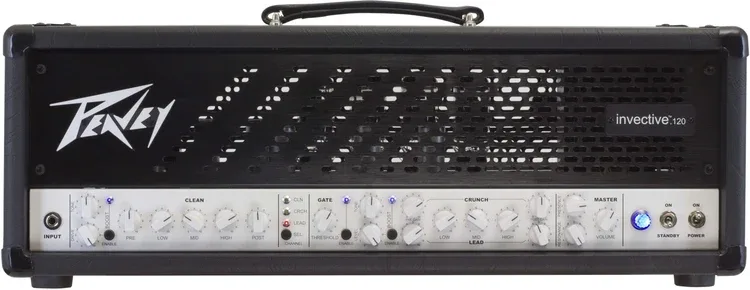
A combo amp packages the amplifier and speaker into a single cabinet, making it simpler to transport and set up, which suits most players who don't need to swap speaker cabinets. A separate amp head paired with its own cabinet offers more flexibility to change tone by swapping cabinets or speakers, but adds weight, cost, and setup complexity. Most players outside of professional touring situations find a quality combo amp covers their needs without the added hassle of managing separate components.
What Onboard Effects Are Genuinely Useful Versus Just Novelty
- Reverb and delay, which see regular use across most genres.
- Built-in tuners for quick checks without a separate pedal.
- Preset banks for quickly switching between practiced tones.
Why Amp Volume Should Be Tested at Realistic Playing Levels
Many amps sound noticeably different at low bedroom volume compared to when they're pushed harder, since tube amps in particular often need higher volume to reach their best tonal character. Testing an amp at a volume closer to how it will actually be used, rather than just briefly at a hushed showroom level, gives a much more accurate sense of its real-world tone. This is one of the more common reasons players end up disappointed with an amp that sounded great in the store but underwhelming at home or on stage.
How Amp Maintenance Needs Differ From Other Guitar Gear
Tube amps require periodic tube replacement as tubes wear out and lose their original tone and output over time, an ongoing cost solid-state amps avoid entirely. Keeping an amp in a stable environment away from excess moisture and dust, and having it serviced occasionally by a qualified technician, extends its working life considerably.
Why Pedal Compatibility Should Factor Into an Amp Purchase
Guitarists who rely on a pedalboard for their tone need an amp with an effects loop or clean enough front end to take pedals well, since not every amp responds predictably to external drive and modulation pedals. Placing time-based effects like reverb and delay in an effects loop rather than in front of the amp often produces a clearer, less muddy tone, particularly at higher gain settings. Checking how an amp interacts with an existing pedalboard before buying avoids discovering an incompatibility after the purchase is already made.
What Practical Differences Exist Between Modeling and Traditional Amps
- Modeling amps offer many amp and cabinet tones in one unit.
- Traditional tube amps offer a single, well-defined tonal character.
- Modeling amps often include built-in recording interfaces for home use.
How Amp Size and Weight Affect Everyday Practicality
A compact practice amp is easy to move between rooms or to a lesson, while a larger combo or stack becomes a genuine physical burden for anyone without dedicated transport or help carrying it. Musicians who gig regularly without a road crew should weigh an amp's portability just as seriously as its tone, since an amp that's too heavy to move easily tends to get left at home more often than intended.
Why Trying an Amp With the Actual Guitar Being Used Matters
An amp's tone characteristics interact differently with single-coil versus humbucker pickups, so testing an amp with the same guitar and pickup type a player owns gives a far more accurate impression than testing with a store demo guitar. Skipping this step is one of the more common reasons a player ends up disappointed with an amp that sounded great in the shop but different at home with their own instrument. Bringing a personal guitar along when shopping, or asking to test with a similar pickup configuration, closes this gap and leads to a more confident final decision.
Choosing an amp matched honestly to actual playing environment, whether bedroom practice or live performance, leads to a far more satisfying result. Wattage and tone type matter less than whether the amp actually fits how and where it will be used.