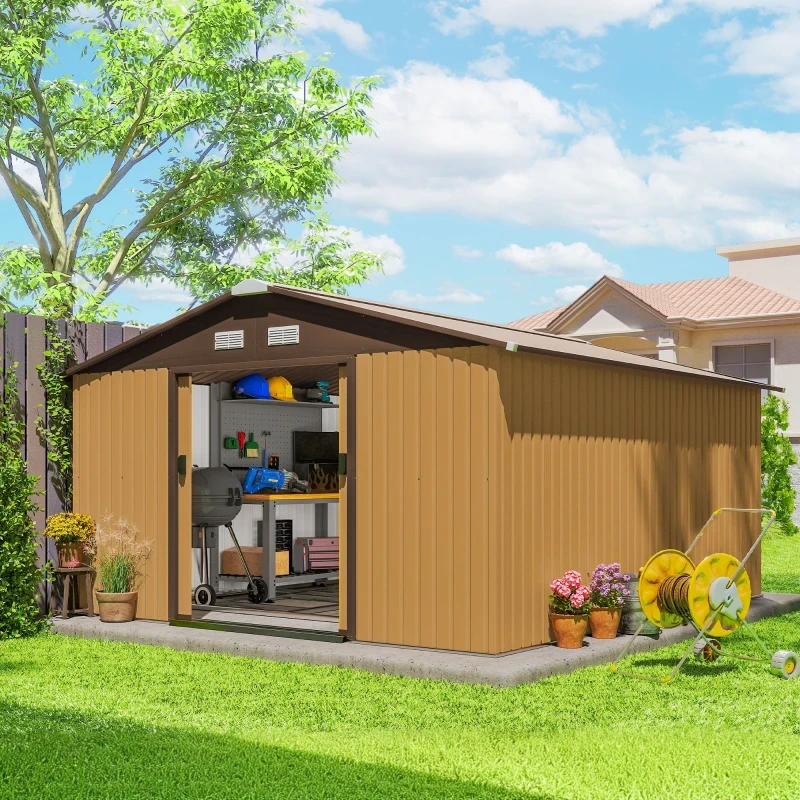
A garden storage shed is an essential addition to any outdoor space, providing a designated area to store gardening tools, outdoor equipment, and seasonal items. Whether you have a small backyard or a sprawling garden, selecting the right shed can enhance both the functionality and aesthetic appeal of your yard. Here's a guide to help you choose the perfect garden storage shed, from determining your storage needs to picking the best materials.
Consider Your Storage Needs
Start by determining what you plan to store in your shed. Understanding your storage needs will help you choose the right size and design.
- Garden Tools: Shovels, rakes, spades, and other small tools.
- Outdoor Equipment: Lawn mowers, bicycles, or power tools.
- Seasonal Items: Snow shovels, pool floats, or holiday decorations.
Determine the Shed Size
The size of your shed depends on what you need to store. A 4x6 or 6x8 shed might be perfect for smaller tools and equipment, while larger items like lawnmowers require a 10x12 or bigger shed.
Choose the Right Material
Sheds are available in several materials, each with its advantages.
Wooden Sheds
- Classic and Customizable: Offers a natural look that blends with your garden’s landscape.
- Maintenance Required: Regular treatment needed to protect against weathering, pests, and rot.
Metal Sheds
- Durable and Low Maintenance: Metal sheds are sturdy, secure, and typically require minimal upkeep.
- Prone to Rust: In humid climates, metal sheds can be susceptible to rust unless properly treated.
Resin Sheds
- Weather-resistant and Durable: Ideal for low-maintenance storage, and they’re not vulnerable to rust or rot.
- Less Customizable: Resin sheds often lack the aesthetic appeal of wood but make up for it in durability and ease of maintenance.
Shed Design and Style
The design of your shed should complement your garden’s layout and overall aesthetic. Think about the space and how the shed will look in your yard.
- Traditional Design: Features like barn-style roofs are ideal for rustic gardens.
- Modern Design: Sleek, minimalist sheds with clean lines suit contemporary spaces.
Door Placement and Access
- Opt for side doors if you have limited space.
- Double doors allow easier access to larger items like lawnmowers and bicycles.
Budgeting for Your Shed
Your budget will play a significant role in choosing the right shed. While it might be tempting to go for a cheaper option, investing in a higher-quality shed will save you money in the long run due to fewer repairs and replacements.
Considerations:
- Material: Wood tends to be more expensive than resin or metal.
- Size: Larger sheds will naturally cost more.
- Additional Features: Windows, shelving, and security features can increase the price.
Location and Installation Tips
The location of your shed is crucial for both accessibility and longevity. Here’s what to keep in mind:
- Choose a Flat Area: A flat surface will ensure stability and prevent the shed from shifting or settling unevenly.
- Avoid Shaded Areas: Don’t place the shed under trees, as falling branches and leaves can create maintenance problems.
Foundation Options
- Concrete Slab: Best for long-term durability and stability.
- Gravel or Wood: Suitable for smaller sheds or temporary storage solutions.
Maintenance and Durability
Your shed’s material will determine how much upkeep is required. A resin shed requires minimal care, while wooden sheds may need annual treatments for weather protection.
Regular Care for Longevity
- Wooden Sheds: Apply stain or paint every few years to protect against moisture.
- Metal Sheds: Inspect for rust and touch up paint as needed.
- Resin Sheds: Clean periodically to prevent dirt buildup.
Security Features
If you plan to store valuable tools or equipment, security should be a top priority.
- Locking Mechanisms: Choose sheds with robust lock systems, especially metal or resin sheds that are more secure.
- Reinforced Doors: Look for sheds with reinforced frames and secure entry points.
Optional Features
- Motion-activated lights for added security.
- Alarm systems for peace of mind.
DIY vs. Pre-built Sheds
If you're handy and enjoy projects, building your own shed can be a rewarding experience. On the other hand, a pre-built or easy-to-assemble shed saves time and effort.
DIY Sheds
- Customizable: You can design the shed exactly how you want.
- Labor-Intensive: Building a shed from scratch requires time, tools, and skill.
Pre-built Sheds
- Time-saving: Pre-assembled sheds are quick to install.
- Less Customizable: You may have to work with the available design and size options.
Final Tips for Making Your Decision
- Know Your Storage Needs: Choose a size and material that will accommodate your gear and tools.
- Think About Maintenance: Consider how much upkeep you’re willing to do.
- Prioritize Security: Especially if you’ll be storing expensive equipment.
Choosing the perfect outdoor garden storage shed comes down to understanding your needs, selecting the right materials, and thinking ahead about location, maintenance, and security. With these tips, you can ensure that your shed will meet your storage needs and be a valuable addition to your backyard for years to come.
FAQs
1. How do I improve the security of my garden shed?
To secure your shed, install a robust lock system, such as a heavy-duty padlock or combination lock. Reinforce doors with metal frames and add security lighting or a camera to deter theft. Ensure the shed is in a visible, well-lit area to discourage burglars.
2. What type of foundation is best for a garden shed?
A concrete slab offers the most stability and long-term durability, preventing settling over time. Gravel foundations are cost-effective and ideal for smaller sheds. Pressure-treated wood foundations are a good option for temporary or budget-friendly solutions.
3. How can I prevent moisture buildup inside my shed?
Install ventilation openings or vents to allow airflow and reduce humidity. Use a moisture barrier on the shed floor to protect against water damage. Additionally, elevate the shed slightly to prevent water from pooling underneath.