
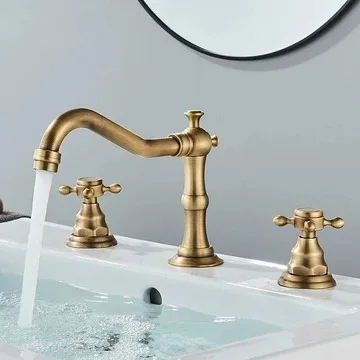
Choosing the right faucet may seem like a small decision, but it can have a noticeable impact on the style, convenience, and functionality of your bathroom or kitchen. A well-chosen faucet should complement your sink, fit the available space, provide comfortable water flow, and match the overall design of the room.
With so many styles, finishes, mounting options, and features available, it is important to consider more than appearance alone. Whether you are updating a single fixture or planning a complete renovation, this guide will help you understand what to look for when selecting the perfect faucet for your space.
1. Consider Where the Faucet Will Be Used
The first step is to determine whether you need a faucet for your bathroom, kitchen, or both. Different areas have different requirements.
Bathroom faucets are generally designed around handwashing and everyday personal-care routines. They are often more compact and may be selected primarily for their relationship with the basin and countertop.
Kitchen faucets, on the other hand, need to accommodate a wider range of activities. From washing dishes and filling containers to cleaning vegetables, the faucet should provide enough reach, height, and flexibility for the sink.
Understanding the purpose of the fixture will help you narrow down your choices before focusing on design details.
2. Choose the Right Faucet Style for Your Sink
Your sink configuration plays an important role in determining which faucet will work best. Before purchasing a fixture, check the number and spacing of mounting holes in your sink or countertop.
For bathroom installations, a faucet should work comfortably with the size and shape of the basin. A faucet that is too short may not direct water effectively into the bowl, while one that is too large can create unnecessary splashing.
If you are looking for options designed specifically for this purpose, explore Index Bath's collection of basin and faucet options to compare different styles and configurations.
For kitchens, consider the sink size and how frequently you use it. A larger sink may benefit from a faucet with greater reach or a flexible spout, while a smaller sink may work better with a more compact design.
3. Think About Faucet Mounting Options
Faucets can be installed in several different ways, and the right option depends on your sink, countertop, and bathroom or kitchen layout.
Deck-Mount Faucets
Deck-mount faucets are installed directly on the sink or countertop. They are popular because they are relatively straightforward to install and come in many styles.
Wall-Mount Faucets
Wall-mounted faucets are installed on the wall behind the sink. They can create a clean, contemporary appearance while freeing up countertop space.
However, wall-mounted installations require careful planning because the plumbing connections need to be positioned correctly inside the wall.
Single-Hole Faucets
Single-hole faucets combine the controls and spout into one unit. They provide a streamlined appearance and are particularly useful when you want a clean, minimalist look.
Before selecting a style, always check your existing plumbing and mounting configuration. This can prevent installation problems later.
4. Select a Faucet Finish That Complements Your Space
Finish is one of the easiest ways to coordinate your faucet with the rest of your room.
Popular finishes include:
- Chrome
- Brushed nickel
- Matte black
- Brushed brass
- Polished brass
- Stainless steel
- Oil-rubbed bronze
A faucet does not necessarily need to match every fixture exactly, but it should complement the overall design. For example, a matte black faucet can work well in a contemporary bathroom, while brass can add warmth to a more traditional or transitional interior.
When selecting a finish, consider other visible hardware such as cabinet handles, towel bars, shower fixtures, lighting, and accessories. Creating a consistent visual relationship between these elements can make the room feel more thoughtfully designed.
5. Pay Attention to Faucet Size and Proportion
A beautiful faucet can still feel wrong if its proportions do not suit the sink.
For bathroom basins, consider:
- Faucet height
- Spout reach
- Basin depth
- Distance between the spout and drain
- Available countertop space
For kitchens, also consider whether the faucet can comfortably reach different areas of the sink.
A faucet with a high-arc design can provide additional clearance for larger pots and containers. However, if the faucet is installed beneath a low cabinet, its height should be checked carefully before purchase.
Taking measurements beforehand is one of the simplest ways to avoid choosing a fixture that looks oversized or undersized.
6. Decide Between Handle Configurations
Faucets are available with different handle configurations, and each provides a different user experience.
A single-handle faucet allows you to control temperature and water flow using one lever. This makes it convenient for everyday use and gives the fixture a streamlined appearance.
A two-handle faucet uses separate controls for hot and cold water. This style can provide a more traditional appearance and may work particularly well in classic or vintage-inspired interiors.
The choice ultimately depends on your preferred design, available installation points, and how you use the space.
7. Look at Water Flow and Everyday Performance
Appearance should not be the only consideration when choosing a faucet. Everyday performance matters just as much.
Look for a faucet that provides a comfortable water stream without excessive splashing. Aerated water flow can help create a smoother stream while supporting efficient water use.
For kitchens, functionality becomes particularly important because the faucet may be used repeatedly throughout the day. Features such as a pull-down or pull-out spray function can make rinsing and cleaning more convenient.
For bathrooms, a well-positioned spout and comfortable water flow can make routine activities such as washing hands much easier.
8. Consider Your Overall Bathroom and Kitchen Design
Your faucet should feel like part of the room rather than an isolated feature.
For a modern bathroom, clean lines and simple geometric shapes can complement contemporary basins and minimalist accessories. In a traditional space, curved profiles and classic finishes may create a more cohesive appearance.
The same principle applies to kitchens. A sleek faucet can complement modern cabinetry, while a more decorative design may suit a traditional kitchen.
Index Bath offers a range of fixtures and accessories designed to combine practical functionality with contemporary bathroom and kitchen aesthetics. When browsing bathroom and kitchen faucets, consider how the fixture will coordinate with your sink, cabinetry, hardware, and other visible elements.
9. Check Installation and Maintenance Requirements
Before purchasing, make sure the faucet is compatible with your existing installation.
Check:
- Mounting-hole requirements
- Supply-line connections
- Countertop or sink thickness
- Required installation space
- Included mounting hardware
- Compatibility with your existing plumbing
Maintenance should also be considered. A faucet that is easy to clean can help maintain its appearance over time. Regularly wiping away water spots and mineral deposits can help preserve the finish.
If you live in an area with hard water, pay particular attention to mineral buildup around the aerator and spout. Routine cleaning can help maintain consistent water flow.
10. Balance Style, Function, and Quality
The perfect faucet is not necessarily the most expensive or the most elaborate option. Instead, it should provide a suitable balance between appearance, functionality, compatibility, and long-term usability.
When comparing products, think about how the faucet will be used every day. A visually appealing fixture that does not fit your sink or provide the required reach can quickly become inconvenient.
This is where choosing from a specialized bathroom brand such as Index Bath can make the shopping process easier. A focused product selection allows homeowners to explore fixtures and accessories with bathroom and kitchen applications in mind.
Make the Right Choice for Your Space
Choosing the perfect faucet starts with understanding your space. Consider your sink configuration, mounting requirements, faucet size, finish, handle style, water flow, and overall interior design before making a purchase.
For bathrooms, focus on finding a faucet that works comfortably with your basin while complementing your other fixtures. For kitchens, prioritize reach, clearance, flexibility, and everyday practicality.
Most importantly, do not choose a faucet based on appearance alone. The best choice should combine style, functionality, compatibility, and convenience.
Whether you are refreshing a bathroom vanity, upgrading a kitchen sink, or completing a larger renovation, the right faucet can become both a useful everyday fixture and an important part of your room's overall design. With the right planning and attention to detail, Index Bath can help you explore faucet options that bring together modern aesthetics and practical performance.