A bracelet can add a finishing touch to your outfit, express your personality, or become a meaningful piece you wear every day. From delicate gold chains to sparkling diamond designs, there are countless styles to explore. The key is finding a bracelet that complements your wardrobe, feels comfortable, and suits your lifestyle. Whether you prefer understated accessories or eye-catching fine jewelry bracelets, the right choice can make your personal style feel complete.
Before purchasing, consider the bracelet's design, material, fit, and versatility. These practical tips can help you select a piece that looks beautiful and feels natural to wear.
1. Identify Your Personal Style
Start by looking at the accessories and outfits you wear most often. Your bracelet should complement your existing wardrobe rather than feel like an unrelated addition.
If you prefer simple clothing and minimal accessories, a slim gold chain or delicate bangle may suit you. If you enjoy bold fashion, consider a wider cuff, a layered design, or a bracelet with decorative details.
Think about the overall impression you want to create:
- Classic: Choose tennis bracelets, simple bangles, or polished gold chains.
- Modern: Explore geometric shapes, mixed metals, and sculptural cuffs.
- Romantic: Look for heart details, floral motifs, or rose gold finishes.
- Glamorous: Consider diamond accents, gemstones, and statement designs.
- Minimalist: Choose slim chains and subtle bracelets with small decorative elements.
Understanding your preferred style makes it easier to narrow down the many available options.
2. Explore Different Bracelet Styles
Bracelets come in several designs, each offering a different appearance and wearing experience. Comparing the main styles can help you find one that suits your needs.
Chain bracelets are versatile and easy to pair with watches or other accessories. Bangles create a structured look and can be worn individually or stacked. Cuff bracelets make a stronger statement, often with an open design that slips onto the wrist. Tennis bracelets feature a continuous line of gemstones or diamonds for a refined appearance.
You can also explore charm bracelets if you enjoy accessories that carry personal meaning. Each charm can represent a memorable occasion, interest, or relationship.
3. Choose the Right Metal
The metal plays an important role in a bracelet's color, durability, and overall appearance. Gold, silver, and platinum are popular choices, while mixed-metal designs offer a more contemporary look.
Yellow gold creates a warm, traditional finish. White gold and platinum provide a bright, cool appearance, while rose gold offers a soft pink tone. Sterling silver can be a practical option for someone who prefers a lighter-colored metal at a different price point.
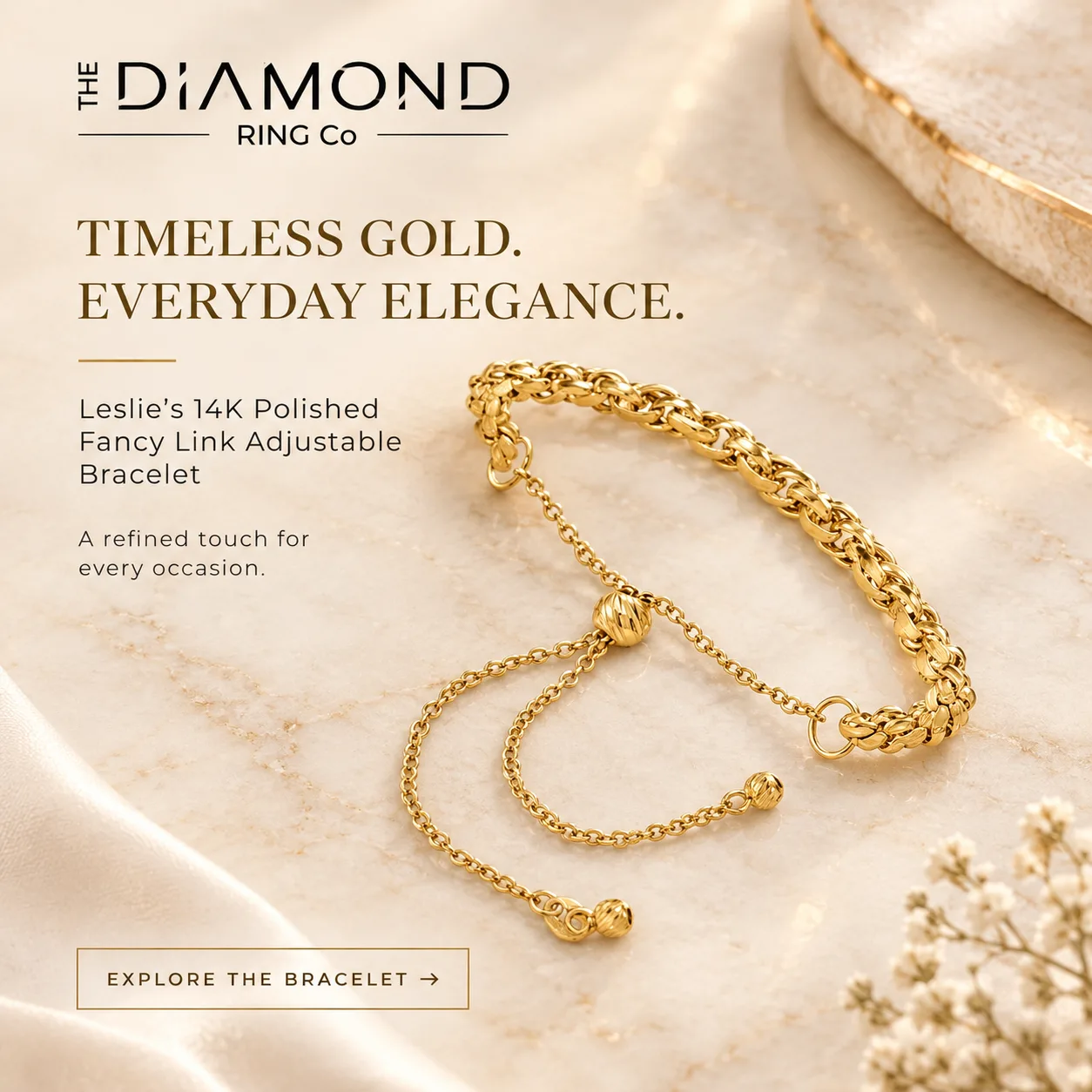
When comparing gold bracelets, check the karat rating. Higher-karat gold contains a greater proportion of pure gold, while lower-karat options contain more alloy metals. Ask about maintenance and cleaning requirements before purchasing.
4. Consider Diamond and Gemstone Details
If you enjoy sparkle, diamond bracelets can add elegance to both everyday and formal outfits. A classic diamond tennis bracelet is one option, featuring stones arranged in a continuous line. Other designs use smaller diamond accents along a chain, bangle, or cuff.
Pay attention to the diamond setting as well as the stones themselves. Prong settings allow more light to reach the diamonds, while bezel settings surround each stone with metal for a more protected appearance.
If you are comparing diamond quality, review cut, color, clarity, and carat weight. For smaller accent stones, consistency in appearance and secure placement are also important.
Colored gemstones offer another way to personalize your bracelet. Sapphires, emeralds, and rubies can introduce color while complementing different metal finishes.
5. Find the Correct Bracelet Size
A bracelet should fit comfortably without feeling too tight or moving excessively around your wrist. An unsuitable fit can make even a beautiful design difficult to wear.
Measure your wrist with a flexible measuring tape or a strip of paper. Wrap it around the area where you normally wear a bracelet, then compare the measurement with the retailer's sizing guide.
The ideal fit depends on the style. A chain bracelet usually needs some extra room for movement, while a cuff should fit securely without pinching. Bangles need enough space to pass over your hand comfortably.
If you are buying a gift, check whether the bracelet has an adjustable clasp or extension chain.
6. Choose Bracelets for Everyday Wear
Some bracelets are better suited to regular use than others. If you want a piece for daily wear, prioritize comfort, secure closures, and a design that works with different outfits.
A simple gold chain, a slim bangle, or a low-profile bracelet can be easy to style for work and casual occasions. Avoid designs with delicate raised details if they may catch on clothing or interfere with your routine.
Consider your daily activities as well. Remove fine jewelry before swimming, exercising, or performing tasks that could expose it to impact, chemicals, or unnecessary wear.
7. Learn How to Layer Bracelets
Layering allows you to combine different designs and create a look that reflects your personality. You can pair a slim chain with a bangle, wear a watch beside a delicate bracelet, or combine different metal tones for a contemporary effect.
For a balanced arrangement, vary the widths and textures of your pieces. For example, a polished bangle can complement a fine chain, while a diamond-accented bracelet can serve as the main feature.
Avoid wearing too many heavy pieces together, as they may feel uncomfortable and cause unnecessary friction. Choose combinations that allow each bracelet to remain visible.
8. Explore Designer and Fashion Bracelets
Designer bracelets often stand out through distinctive shapes, recognizable design details, and carefully selected materials. They can be a good choice if you appreciate a particular designer's aesthetic or want a special accessory for an occasion.
Fashion bracelets offer more variety in terms of colors, textures, and seasonal styles. They can help you experiment with trends without committing to a fine-jewelry purchase.
Before choosing either type, consider how frequently you will wear it. A versatile bracelet may offer more long-term value than a trend-focused piece that works with only one outfit.
9. Compare Quality, Price, and Craftsmanship
A bracelet's price depends on several factors, including metal type, gemstone quality, weight, design complexity, and brand. Comparing these details helps you understand what you are paying for.
Check the clasp, links, hinges, and overall finish. For diamond pieces, examine whether the stones appear evenly arranged and whether the settings feel secure.
Ask about warranties, cleaning, repairs, and return policies. If the bracelet contains diamonds or valuable gemstones, request relevant documentation and confirm whether the listed specifications match the item.
Set a comfortable budget before shopping and compare several designs within that range. You can find attractive fine jewelry bracelets without choosing the most expensive option.
10. Find a Jewelry Store That Offers Helpful Guidance
Shopping at a reliable retailer can make it easier to compare bracelet styles, materials, and quality. If you are visiting a jewelry store in San Jose, look for a business that provides clear product information and answers questions about fit, metal purity, gemstone details, and after-sales care.
A good shopping experience should allow you to compare options without pressure. Try on different bracelet styles when possible, check how they sit on your wrist, and ask about adjustments or maintenance.
The Diamond Ring Co. offers a variety of jewelry styles through TheDiamondRing.com, where you can explore bracelets and other diamond jewelry options. Comparing different designs can help you identify a piece that complements your wardrobe and personal preferences.
Make Your Bracelet a Reflection of Your Style
The perfect bracelet should feel like a natural extension of your personality. A delicate chain may suit everyday outfits, while a diamond tennis bracelet or bold cuff can add a special touch to formal occasions.
Take time to compare designs, metals, gemstones, and sizing before making your decision. Whether you prefer classic designer bracelets, expressive fashion bracelets, or elegant diamond styles, choose a piece that feels comfortable and meaningful. With the right selection, a bracelet can remain a favorite part of your jewelry collection for years.