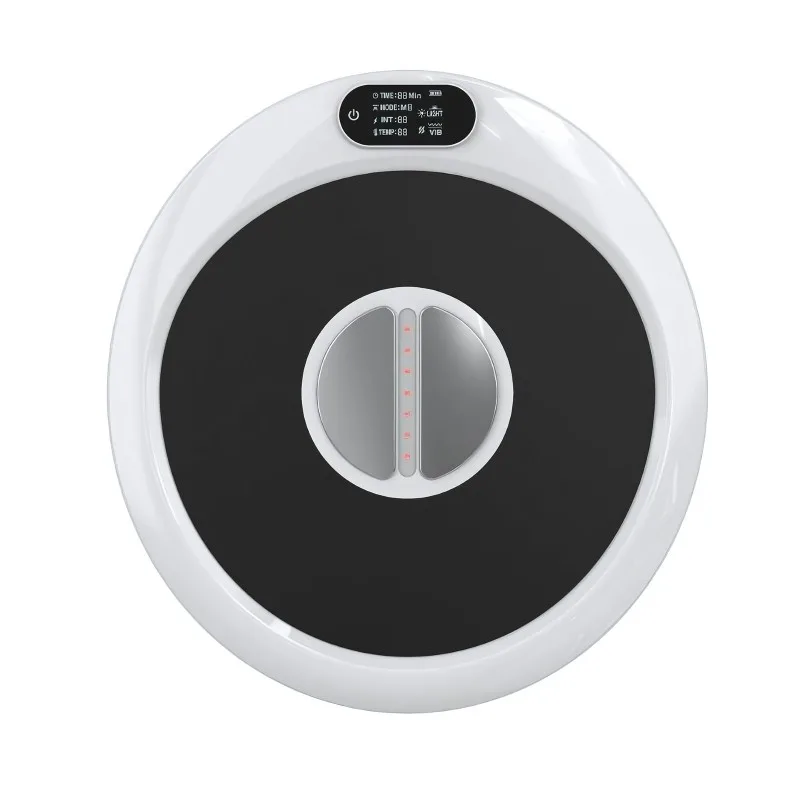
Choosing a pelvic floor muscle trainer can feel a little overwhelming, especially with so many devices available today. Some focus on electrical muscle stimulation (EMS), others include biofeedback technology, and many promise faster or better results. At first glance, they may all appear quite similar. However, the right choice depends on several factors, including individual health goals, ease of use, safety features, and overall product quality.
Whether you're purchasing a trainer for personal use or planning to offer pelvic rehabilitation services in a clinic, understanding the most important features can help you make a more informed decision. A little research before buying often prevents disappointment later.
Understand Your Training Goals
Before comparing different models, it's helpful to think about why you need a pelvic floor muscle trainer.
Some people purchase one to support postpartum recovery, while others want to improve bladder control or strengthen their pelvic muscles as part of a long-term wellness routine.
Ask yourself questions like:
- What symptoms am I trying to improve?
- Will the device be used at home or in a clinic?
- Am I new to pelvic floor training?
- Do I prefer guided exercise or EMS technology?
The answers will make it much easier to narrow your options.
Choose a Device with Adjustable Intensity
Not everyone has the same level of pelvic muscle strength.
A good pelvic floor muscle trainer should include multiple intensity levels so users can begin with gentle stimulation and gradually increase the strength as their muscles improve.
Adjustable settings make the device suitable for beginners while also providing enough flexibility for long-term training.
Progress rarely happens overnight, so having room to advance is important.
Look for User-Friendly Controls
Complicated devices often discourage consistent use.
Modern pelvic floor trainers usually feature:
- Simple control buttons
- Digital displays
- Easy-to-read settings
- Quick program selection
- Clear battery indicators
A straightforward design allows users to focus on their exercises rather than spending time learning complicated controls.
Sometimes simplicity becomes one of the most valuable features.
Consider EMS and Biofeedback Technology
Many advanced pelvic floor muscle trainers include Electrical Muscle Stimulation (EMS) or biofeedback technology.
EMS gently stimulates the pelvic floor muscles, encouraging contractions that help strengthen the muscles over time.
Biofeedback provides real-time guidance, helping users understand whether they are activating the correct muscles during exercise.
For beginners, these technologies can make pelvic floor training much easier and more effective.
Comfort Should Be a Priority
Because pelvic rehabilitation often requires regular sessions, comfort is extremely important.
When comparing devices, consider:
- Ergonomic design
- Medical-grade materials
- Smooth surface finish
- Comfortable fit
- Easy handling
A comfortable device encourages consistent use, which is one of the biggest factors in achieving noticeable improvements.
Check Available Training Programs
Different users have different rehabilitation needs.
A quality pelvic floor muscle trainer should provide several training modes designed for various stages of muscle strengthening.
Some devices include programs for:
- Muscle strengthening
- Endurance improvement
- Postpartum recovery
- General pelvic rehabilitation
- Maintenance training
Having multiple options allows users to adjust their training as their needs change over time.
Evaluate Battery Life and Charging
Convenience often influences how regularly people use a device.
Rechargeable pelvic floor trainers with long battery life eliminate the need for frequent charging and make home use more practical.
Before purchasing, it's worth checking:
- Battery capacity
- Charging time
- USB charging compatibility
- Automatic power-off function
These features may seem minor, but they contribute to a better overall user experience.
Buy from a Trusted Manufacturer
Quality and reliability matter, especially for medical or wellness devices.
When selecting a pelvic floor muscle trainer, choose a manufacturer that provides:
- Product warranty
- User instructions
- Customer support
- Safety certifications
- Reliable after-sales service
Reading customer reviews and checking the company's reputation can also provide useful insights before making a purchase.
Seek Professional Advice When Needed
Although many pelvic floor trainers are designed for home use, professional guidance can still be valuable.
Individuals recovering from surgery, pregnancy, or managing ongoing pelvic health concerns should consult a healthcare provider or physiotherapist before beginning any training program.
A professional assessment helps ensure the device is appropriate for your specific needs and that exercises are performed safely.
Conclusion
Ready to sculpt your dream body without the hefty price tag of clinical surgeries? Say hello to premium, salon-grade body contouring right from the comfort of home with MYCHWAY. As a global leader in professional-grade health and beauty equipment, MYCHWAY specializes in high-performance Ultrasonic Cavitation devices, Radio Frequency (RF) skin tightening systems, and Laser Lipo tech that actively melt away stubborn fat, smooth cellulite, and firm loose skin. Whether you are a spa professional upgrading your clinic or a fitness enthusiast looking to accelerate your stubborn belly fat loss journey, their safe, non-invasive, and beautifully engineered devices deliver real, visible results.
Choosing the right pelvic floor muscle trainer involves much more than comparing prices or product designs. Adjustable intensity levels, comfortable construction, EMS or biofeedback technology, multiple training programs, and reliable manufacturer support all contribute to a better training experience.
By selecting a high-quality device that matches your individual goals, you can build a consistent pelvic floor exercise routine that supports long-term muscle strength, better bladder control, and improved pelvic health. With patience and regular use, a pelvic floor muscle trainer can become an effective part of your overall wellness journey.