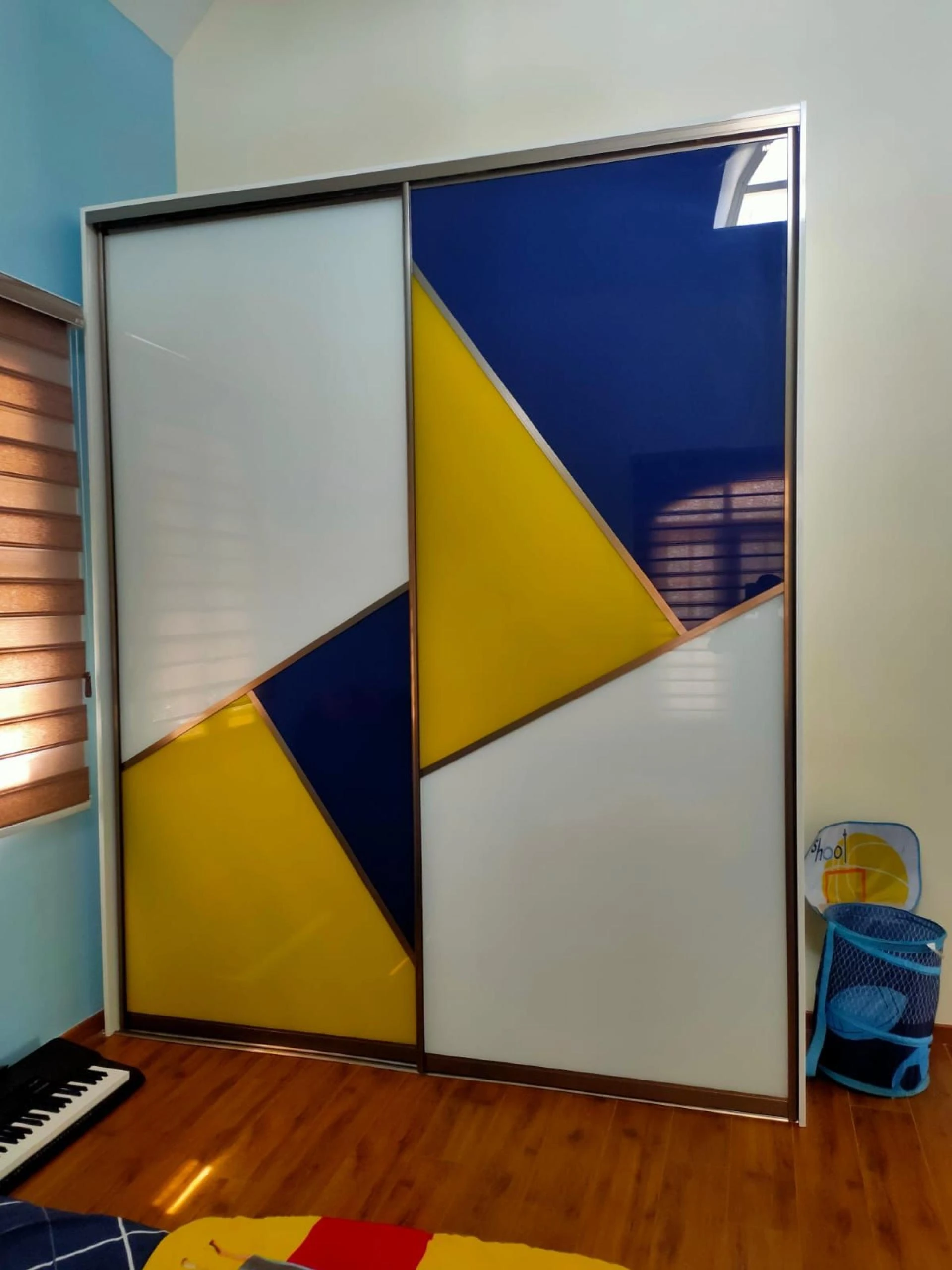
Selecting the right material for wardrobe interior design is crucial to ensure durability, aesthetics, and functionality. With a variety of materials available, making the right choice can be overwhelming. If you are working with an interior designer in Bangalore , they can guide you based on your budget, design preferences, and lifestyle requirements. Here’s a comprehensive guide on choosing the best material for your wardrobe interiors.
1. Plywood – The Most Durable Choice
Plywood is one of the most preferred materials for wardrobe interior design due to its strength and longevity. It is made from layers of wood veneers glued together, making it highly resistant to moisture and termites.
Pros:
- Highly durable and strong
- Resistant to warping and bending
- Available in different grades for varied budgets
- Can be laminated or painted for a stylish finish
Cons:
- Slightly expensive compared to other options
- Requires good quality finishing for longevity
2. MDF (Medium Density Fiberboard) – Affordable and Versatile
MDF is an engineered wood product made from wood fibers and resin. It offers a smooth surface, making it ideal for painted or laminated finishes.
Pros:
- Affordable compared to plywood
- Smooth surface for painting and laminates
- Easy to cut and shape for intricate designs
Cons:
- Less durable than plywood
- Not suitable for high-moisture areas
3. Particle Board – Budget-Friendly Option
If you are looking for a cost-effective solution, particle board is an economical choice for wardrobe interior design. Made from compressed wood chips and resin, it is lightweight and easy to install.
Pros:
- Budget-friendly material
- Lightweight and easy to handle
- Can be laminated for a stylish look
Cons:
- Less durable than plywood and MDF
- Prone to swelling if exposed to moisture
4. HDF (High-Density Fiberboard) – Stronger Than MDF
HDF is similar to MDF but has a higher density, making it stronger and more durable. It is a great choice for wardrobe shutters and interiors that require extra strength.
Pros:
- More durable than MDF
- Smooth surface for finishing
- Resistant to minor scratches and dents
Cons:
- Slightly costlier than MDF
- Can be damaged by excessive moisture
5. Glass and Mirror for a Modern Touch
Glass or mirror panels are often incorporated into wardrobe interior design to enhance aesthetics and functionality. These materials add a contemporary feel and help create the illusion of a larger space.
Pros:
- Enhances the visual appeal of the wardrobe
- Easy to clean and maintain
- Reflects light, making the room look spacious
Cons:
- Requires regular cleaning to prevent smudges
- Can be fragile if not handled properly
6. Acrylic and Laminates for a Stylish Finish
Acrylic and laminates are commonly used to enhance the exterior and interior finishes of wardrobes. Acrylic offers a high-gloss, luxurious look, while laminates are available in a variety of textures and finishes.
Pros:
- Wide range of colors and textures available
- Scratch-resistant and easy to maintain
- Gives a premium look to the wardrobe
Cons:
- Acrylic can be expensive
- Laminates may peel over time if not of good quality
Conclusion
Choosing the right material for wardrobe interior design depends on your budget, durability requirements, and aesthetic preferences. If you’re looking for expert guidance, hiring an interior designer in Bangalore can help you make an informed decision based on your space and style preferences. Whether you opt for plywood for durability, MDF for affordability, or glass for a modern touch, selecting the right material ensures a long-lasting and stylish wardrobe for your bedroom.