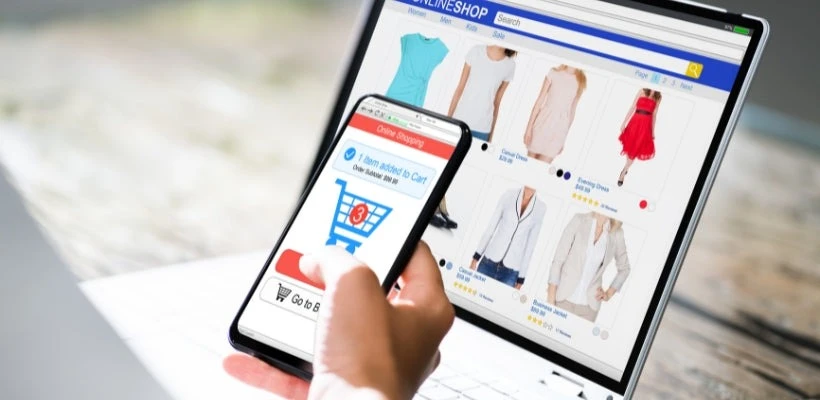
The eCommerce industry in India is booming, offering countless opportunities for entrepreneurs to take their businesses online. However, one of the biggest challenges for sellers is choosing the right eCommerce platform that aligns with their business goals. With several options like Amazon, Flipkart, Meesho, GlowRoad, and Shopify available, the decision can be overwhelming. This is where eCommerce Management Services can make a significant difference. These services not only help you choose the right platform but also ensure your online store runs efficiently and profitably.
In this blog, we’ll guide you on how to choose the best eCommerce platform in India and how professional account management can help you make the most of it.
eCommerce Platform for Sellers
1. Identify Your Business Needs
Before selecting a platform, start by defining your business type and goals.
Ask yourself:
- What kind of products are you selling?
- Who is your target audience?
- Do you plan to sell locally or pan-India?
- What’s your monthly sales target?
For example, if you’re selling handmade jewelry or home décor, Meesho or GlowRoad might be ideal. But if you deal in electronics, apparel, or branded products, Amazon or Flipkart could be better.
2. Compare Popular eCommerce Platforms in India
Let’s explore some top platforms:
- Amazon India: Best for reaching a large customer base with reliable fulfillment (FBA).
- Flipkart: Popular among Indian shoppers, especially for electronics and fashion.
- Meesho: Focused on resellers and affordable products, Meesho great for small businesses.
- GlowRoad: Perfect for suppliers who want to reach resellers and social sellers.
- Shopify: Ideal for those who want to create their own online store with full control.
Each platform has different commission structures, customer bases, and seller support systems, so choose wisely based on your business model.
3. Evaluate Platform Fees and Policies
Every eCommerce platform has its own commission rates, shipping fees, and return policies.
For example:
- Amazon and Flipkart charge referral fees and logistics costs.
- Meesho and GlowRoad charge lower commissions but have social commerce models.
- Shopify has monthly subscription plans and payment gateway charges.
Review these carefully to understand your profit margins before listing your products.
4. Check for Seller Support and Tools
An ideal platform should offer tools and resources to help you grow, such as:
- Detailed sales analytics
- Marketing and ad campaigns
- Inventory and order management
- Easy payment options
Platforms like Amazon and Flipkart offer extensive dashboards and reports that help sellers make data-driven decisions.
5. Leverage eCommerce Management Services
Even after choosing a platform, success depends on how effectively you manage your account. That’s where eCommerce Account Management Services come into play.
Here’s how they help:
1. Product Listing Optimization
Experts create SEO-friendly product titles, descriptions, and images to increase visibility and conversions.
2. Catalog & Inventory Management
They maintain your product catalog, update stock levels, and ensure all listings comply with marketplace policies.
3. Performance Tracking
Account managers analyze your sales performance and suggest strategies to boost rankings and revenue.
4. Ad Campaign Management
Professionals handle your sponsored ads or paid promotions, ensuring maximum ROI on your marketing budget.
5. Order & Return Handling
They manage customer orders, coordinate with logistics, and handle return cases efficiently to maintain your seller rating.
6. Compliance & Policy Support
Account management services ensure your account follows all marketplace policies, helping you avoid suspensions or penalties.
By outsourcing these tasks, you can focus on scaling your business instead of getting stuck in operational challenges.
6. Focus on Multi-Platform Selling
If you want to expand your reach, consider selling on multiple platforms simultaneously. eCommerce Account Management experts can synchronize your listings across Amazon, Flipkart, Meesho, and others — saving time while maximizing sales opportunities.
This approach helps you tap into different customer segments and reduce dependency on a single marketplace.
7. Monitor, Analyze, and Improve
The eCommerce market keeps evolving, so continuous improvement is key. Regularly track your performance metrics like impressions, clicks, conversions, and feedback. Your account management team can provide detailed reports and insights to help you stay competitive.
Final Thoughts
Choosing the right eCommerce platform in India is the foundation of your online success. However, managing your account efficiently is what determines long-term growth.
By partnering with a reliable Novel web solution, eCommerce Service company, you can simplify complex operations, improve visibility, and boost sales across platforms. From listing optimization to ad management, expert support ensures you stay ahead in India’s fast-growing digital marketplace.