Choosing the right home insulation services this year comes down to performance, moisture control, and long-term value. Materials matter, but so does how they are installed. Homes face higher energy loads, tighter air standards, and more humidity stress than before.
Quick answers that matter most
- Better air sealing lowers energy loss and indoor air issues
- Moisture control now matters as much as R-value
- Installation quality affects results more than material price
What Homeowners Should Evaluate First
Home insulation is not one-size-fits-all. Climate, home age, and problem areas guide the right choice. Starting with goals helps narrow options fast.
Most homeowners want lower bills, better comfort, and fewer moisture problems. According to guidance from the U.S. Department of Energy home insulation overview, air sealing and insulation work best when planned together. Skipping that step limits results.
Comfort and Energy Loss Issues
Drafts, uneven temperatures, and hot ceilings point to insulation gaps. These issues often show where air leaks exist.
- Rooms that never cool or heat evenly
- Floors that feel cold in winter
- HVAC systems running longer than expected
Understanding Common Insulation Types
Each home insulation service solves a different problem. Knowing how they work helps avoid the wrong fit.
Fiberglass Insulation Services
Fiberglass slows heat flow but does not stop air movement. It works best in dry, sealed cavities.
Pros include lower upfront cost and wide availability. Downsides include sagging and moisture sensitivity.
Spray Foam Insulation Services
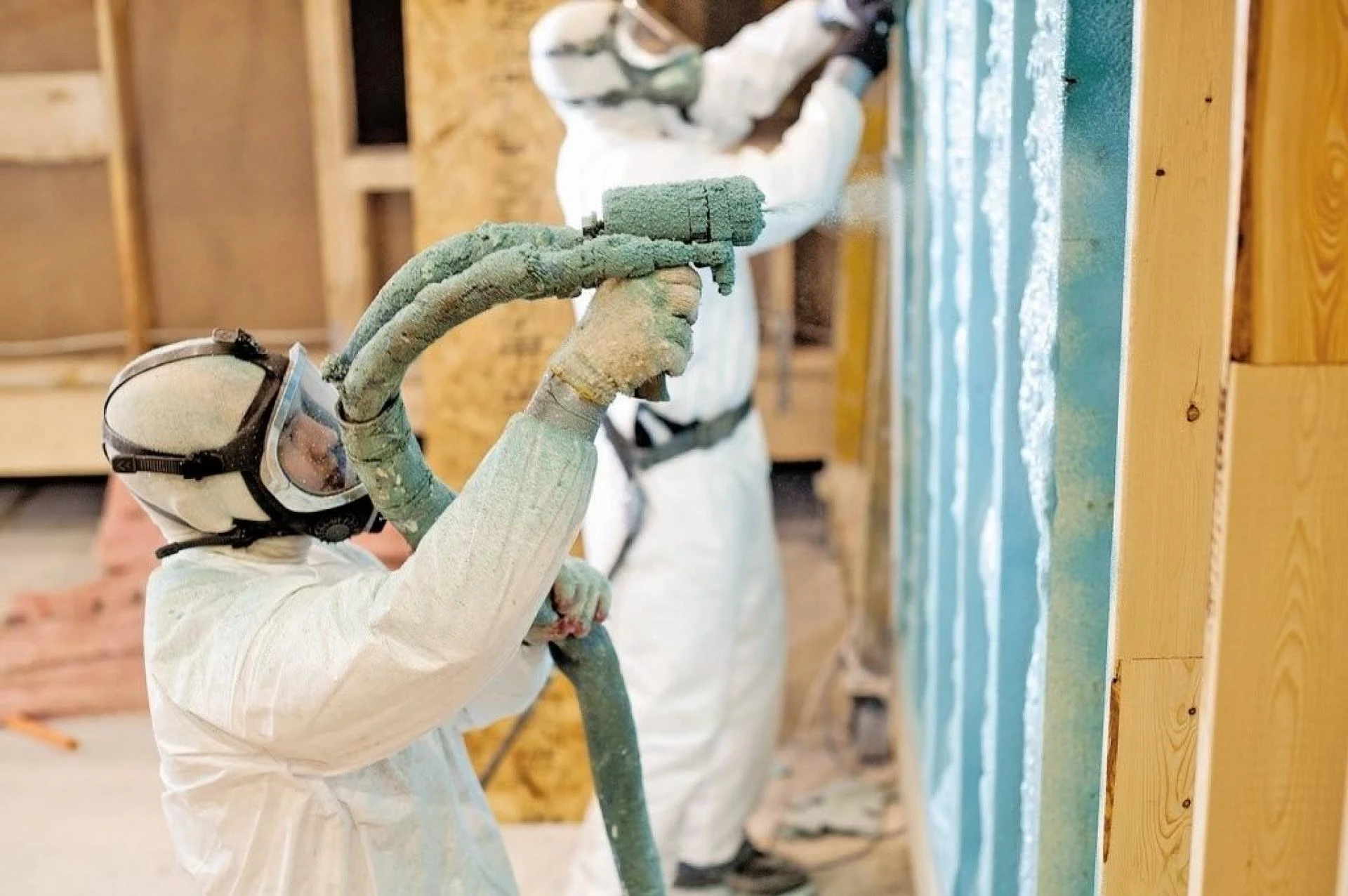
Spray foam expands and seals gaps as it cures. This blocks air movement and reduces moisture transfer.
Research summarized by the U.S. Environmental Protection Agency indoor air quality guidance shows that limiting uncontrolled airflow helps reduce indoor pollutants. Spray foam addresses this directly.
Cellulose Insulation Services
Cellulose fills cavities well and uses recycled material. It still relies on separate air sealing steps.
It performs best in enclosed walls with good vapor control.
Air Sealing = Real Performance Gains
Home insulation serviceswithout air sealing leaves energy savings on the table. Air moves heat and moisture faster than conduction.
When air leaks are sealed, insulation performs closer to its rated value. The ENERGY STAR air sealing recommendations note that sealing leaks can significantly reduce heating and cooling losses before adding insulation.
Signs Air Sealing Is Missing
- Dust buildup near vents or baseboards
- Whistling sounds on windy days
- High humidity indoors
Moisture Control and Long-Term Durability
Moisture causes insulation failure over time. Wet insulation loses performance and can affect indoor air quality.
Home insulation services resist moisture movement. Fiberglass and cellulose absorb it. That difference affects durability and health outcomes.
How Moisture Impacts Insulation
- Reduced R-value when damp
- Mold growth in enclosed spaces
- Odors that move into living areas
Material Comparison and Cost Perspective
Insulation Service Comparison
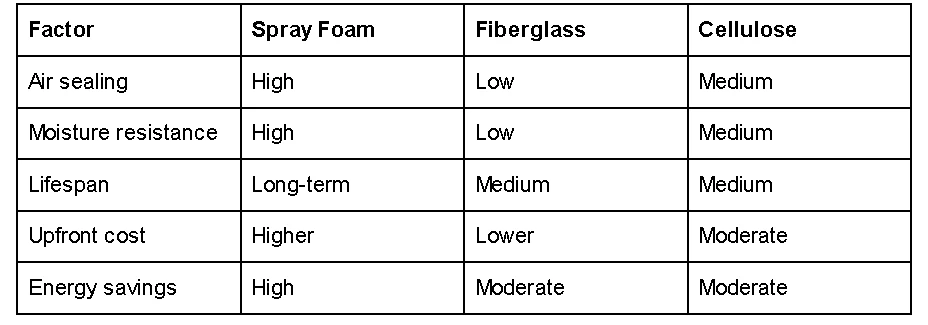
Higher upfront cost often leads to lower lifetime energy use. Long-term savings matter more than install price alone.
Experience-Based Optimization Insights
Bonus Tips- Focus insulation upgrades on attics, crawl spaces, and rim joists first
- Pair insulation with ventilation planning to avoid trapped moisture
- Ask contractors how they handle air sealing before insulating
These steps reduce callbacks and improve comfort results.
Homes that combine spray foam with targeted air sealing often report lower humidity and steadier indoor temperatures within the first season. Energy use typically drops once HVAC runtime decreases.
How To Choose the Right Contractor
Material choice matters less without skilled installation. Contractors should evaluate the whole building, not just one area.
Good providers explain trade-offs clearly. They do not push one material for every home.
Questions That Reveal Quality
- How do they handle air sealing before insulation
- What moisture risks do they look for
- How do they verify performance after install
Conclusion
Choosing between home insulation services this year requires looking beyond R-value. Air sealing, moisture control, and durability shape real results. Informed choices protect comfort, health, and energy budgets over time.
Supreme Spray Foam – Fresno supports performance-focused insulation projects by helping homeowners match the right service to their actual building needs.
Get Guidance From Supreme Spray Foam – Fresno
They help homeowners choose insulation that works in real conditions. Clear advice leads to better outcomes.
Call (559) 545-0800 or email [email protected] to discuss options.
Frequently Asked Questions
What insulation type saves the most energy?
Spray foam often saves the most because it seals air leaks while insulating.
Is fiberglass still a good option?
It works in dry, well-sealed spaces but performs poorly with air leaks.
Does insulation help indoor air quality?
Yes. Sealing air leaks limits dust, moisture, and outdoor pollutants.
How often does insulation need replacement?
Spray foam can last decades. Fiberglass and cellulose may need earlier replacement.
Should insulation upgrades include air sealing?
Yes. Air sealing improves insulation performance and comfort.
Is professional installation necessary?
Yes. Poor installation reduces effectiveness and can create moisture issues.
Reviewer: Emma Robinson contributed her knowledge from 8 years of working in the spray foam industry. Her review helped shape this content, grounded in what contractors and homeowners actually value.
Sources
- U.S. Department of Energy – Home Insulation Overview – Explains insulation types, performance, and energy impacts
- U.S. Environmental Protection Agency – Indoor Air Quality – Details how air sealing and insulation affect indoor air quality
- ENERGY STAR – Air Sealing and Insulation – Guidance on reducing air leakage to improve energy efficiency