Introduction
You chipped a tooth biting into an olive pit. Or maybe years of grinding have worn your molars down to nubs. Perhaps that childhood sports injury finally caught up with you. Whatever brought you here, you're staring at a damaged tooth and wondering: Do I fix this for looks, or do I need something that actually fixes the problem?
I've watched friends agonize over this exact dilemma. One spent $800 on veneers only to discover her underlying decay needed a root canal six months later. Another got a functional crown that looked like a tiny marshmallow sitting in his mouth. Both regretted not asking the right questions upfront.
Choosing between cosmetic and restorative dentistry isn't about vanity versus practicality—it's about understanding what your mouth actually needs, what you can afford, and what you want your smile to look like five years from now. Let's break this down together.
Understanding the Fundamental Difference
Here's the simplest way to think about it: Restorative dentistry fixes function. Cosmetic dentistry enhances appearance. But—and this is crucial—the best treatments often do both.
Restorative Treatments: The Foundation First
When your tooth is cracked, decayed, infected, or missing, you're looking at restorative work. These procedures prioritize:
- Structural integrity – Can you chew without pain?
- Oral health protection – Are you preventing further damage?
- Functional restoration – Can you speak and eat normally?
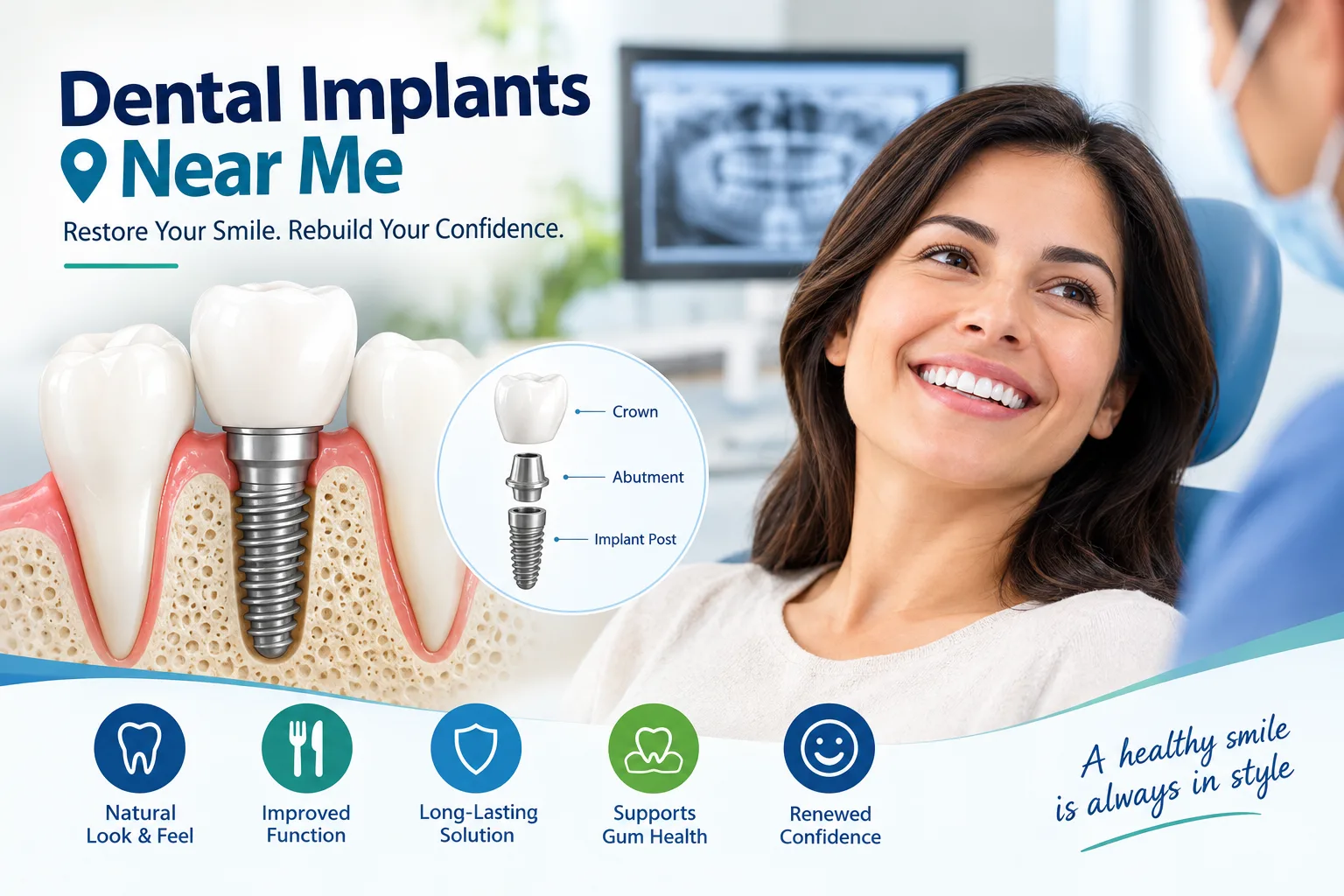
Common restorative treatments include fillings, crowns, root canals, dental implants, and bridges. These aren't optional luxuries, they're medically necessary interventions that prevent small problems from becoming dental disasters. To explore these options, you can visit Indental Castle Hill for professional dental treatments.
Cosmetic Treatments: The Finishing Touch
Cosmetic procedures assume your teeth are fundamentally healthy. They address:
- Color and staining – Professional whitening, veneers
- Shape and alignment – Bonding, contouring, Invisalign
- Size and proportion – Gum reshaping, enameloplasty
Think of cosmetic dentistry like renovating a kitchen when the plumbing already works. Beautiful, desirable, but not fixing an underlying crisis.
The Diagnostic Questions That Matter
Before you choose anything, you need honest answers to these questions. I suggest writing them down and bringing them to your dentist.
Question : What Are My Long-Term Goals?
Be brutally honest with yourself. Are you:
- Planning to keep this tooth for 40 more years?
- Looking for a quick fix before a wedding or job interview?
- Trying to correct a lifelong insecurity?
- Addressing damage that's getting worse?
Your timeline dramatically affects your choice. A dental bonding procedure might last 3-5 years and cost $300. A porcelain crown lasts 10-15 years and runs $1,000-$3,000. An implant? Potentially lifelong, but $3,000-$6,000.
Real-World Scenarios: Making the Choice
Let me walk you through three common situations I've encountered. See which resonates with your situation.
Scenario A: The Chipped Front Tooth
The damage: Small chip on upper incisor, no pain, some sensitivity to cold.
Option 1 (Cosmetic): Dental bonding. Quick, painless, matches tooth color. Downside? Stains over time, may need replacement.
Option 2 (Restorative): Porcelain veneer. More durable, stain-resistant, but requires removing some enamel.
My recommendation: Start with bonding if the chip is tiny. It's reversible. If you hate it or it fails, upgrade to a veneer later. [Link to: Dental Bonding vs. Veneers Comparison]
Scenario B: The Cracked Molar
The damage: Visible crack line, pain when chewing, history of grinding.
Option 1 (Wrong choice): Crown without addressing the crack. The tooth may split underneath.
Option 2 (Correct choice): Full coverage crown after evaluating if crack extends below gumline. Possible root canal if nerve affected.
Critical insight: Cracked teeth are ticking time bombs. Cosmetic concerns are irrelevant until structural stability is addressed. This is purely restorative territory.
Scenario C: The Worn-Down Smile
The damage: Multiple teeth shortened from grinding, yellowed enamel, occasional jaw pain.
This is the "both" category. You need:
- Restorative first: Night guard to stop grinding, possible crowns on severely worn teeth
- Cosmetic second: Whitening, veneers, or bonding on teeth that are healthy but unsightly
Attempting cosmetics without addressing the grinding is like repainting a house with a leaky roof.
The Hidden Factor: Your Dentist's Philosophy
Not all dentists approach this decision the same way. Some are conservative, preferring to monitor and wait. Others are aggressive, recommending full mouth reconstructions.
Questions to ask your dentist:
- "If we do nothing, what happens in 1 year? 5 years?"
- "What's the most conservative option that solves the problem?"
- "Can we phase this treatment over time?"
- "How will this affect my other teeth?"
A trustworthy dentist will explain the spectrum of options, not just the most expensive one. They should also discuss biomimetic dentistry—techniques that preserve natural tooth structure rather than grinding everything down for crowns.
When You Can Combine Both (The Sweet Spot)
Modern dentistry increasingly blurs these lines. Some treatments deliver health benefits and aesthetic improvements:
- All-ceramic crowns: Stronger than metal, beautifully translucent
- Implant-supported bridges: Replace missing teeth without looking like replacements
- Invisalign: Corrects bite issues (restorative benefit) while straightening (cosmetic benefit)
- Bioclear method: Fixes black triangles and gaps using injection-molded composite
The best dentists think holistically. They ask: How do we make this tooth healthy, functional, and attractive with the least invasive approach?
Red Flags: When to Get a Second Opinion
Trust your gut if you encounter these scenarios:
- The "cosmetic only" push: Any dentist who downplays obvious decay or pain to sell you veneers
- The "one-size-fits-all" recommendation: Every patient gets crowns, regardless of condition
- Pressure tactics: "This price expires today" or "You need 20 veneers"
- No photography or diagnostic wax-ups: Quality cosmetic work requires planning, not guessing
Get a second opinion if your treatment plan exceeds $5,000 and hasn't been thoroughly explained with visual aids.
Conclusion
Choosing between cosmetic and restorative dentistry comes down to three filters:
- Health first – Address pain, infection, and structural issues before aesthetics
- Function second – Ensure you can eat, speak, and maintain oral hygiene comfortably
- Beauty third – Enhance appearance only on a stable, healthy foundation
Remember: the most expensive option isn't always the best, and the cheapest rarely is. The right choice solves your immediate problem, fits your budget realistically, and aligns with your long-term goals.