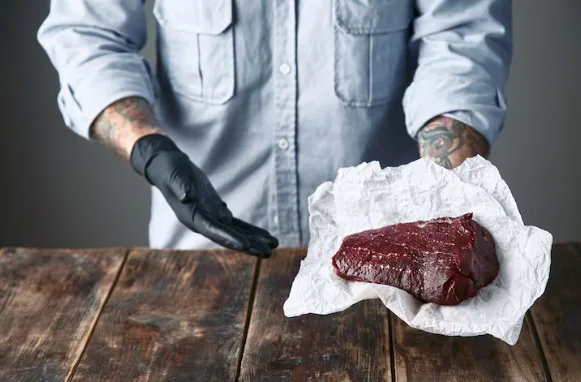
A Practical Guide to Grass-Fed Beef
Beef can feel simple until the label starts talking. One pack sounds premium. Another suggests better farming. A third says almost nothing. For buyers who care about health, food quality, and the land behind the meal, that is where the real decision begins. Grass-fed beef often gets the first look because it points to a different way of raising cattle, but the better choice usually comes from reading beyond one phrase and asking what the cut, the claim, and the farm are really telling you.
Key Takeaways
- Better beef decisions come from the full picture, not one claim.
- The cut matters as much as the raising language.
- Verified claims are more useful than vague promises.
- Buying direct can make sourcing easier to understand.
What Grass Fed Beef Means
A healthier, more environmentally mindful beef choice usually has four traits: clear sourcing, a cut that fits everyday eating, minimal processing, and raising practices that can be explained in plain language. Federal dietary guidance also frames healthy eating as an overall pattern and includes lean meats among the protein food options.
That makes grass-fed beef meaningful, but not magical. Under the USDA’s small producer grass-fed program, certified cattle must be fed grass and forage, cannot be fed grain or grain byproducts, and must have continuous access to pasture during the growing season.
What Should Buyers Check First
Start with the cut, not the marketing. A roast, a sirloin, and a richly marbled steak are not the same choice for regular meals. The Dietary Guidelines framework says meats should be lean or low-fat.
A simple check helps:
- Pick the cut that fits the way the household cooks.
- Prefer simpler, less processed options.
- Check how the cattle were finished.
- Look for proof behind major claims.
- Buy the quantity the household will really use.
Which Labels Carry Real Weight
Labels matter most when they say something specific and supported. USDA describes grass fed, raised without antibiotics, free range, and environment related claims as voluntary marketing claims. Those claims are reviewed before they appear on labels sold to consumers, and USDA now strongly encourages third party certification so claims are truthful and not misleading.
That means grass fed beef becomes more useful when it comes with substantiation, not soft language alone. If a pack mentions pasture, regenerative beef practices, or environmental care, the smarter move is to look for certification or ask direct questions.
What Should Buyers Ignore
Many buyers mix up grade, nutrition, and production style. USDA grading does not answer all three. Prime, Choice, and Select refer to quality factors such as marbling, tenderness, juiciness, and flavor. Select is generally leaner than the higher grades, but grade alone still does not tell a buyer how the animal was raised.
Another mix up is assuming organic and forage based claims always mean the same thing. USDA’s Economic Research Service notes that organic beef may or may not be grass fed, because organic grain may still be used for feed.
How Can Shoppers Compare Choices
Use one steady filter.
What To CheckWhat It Can RevealHelpful CueCommon Mix UpCut nameHow rich or lean the meal may beRound and sirloin are often easier everyday picksConfusing grade with nutritionFinishing methodWhether forage stayed central through finishingLook for clear finishing languageAssuming every pasture claim means the same thingClaim supportWhether the claim has real backingCertification or a plain farm explanationTrusting broad green languageProduct formHow processed the food isSingle-ingredient cuts are easier to judgeTreating every beef product alikeThis is where grass-fed beef should be handled with balance. It may suit buyers who care about forage-based feeding, local farm relationships, or grass-finished beef. But the strongest decision still connects the cut, the claim, and the evidence.
Why The Land Question Matters
Health and environmental care are not separate conversations anymore. FAO estimates that livestock supply chains account for 14.5 percent of global human-caused greenhouse gas emissions, which is one reason buyers look more closely at feed, land stewardship, and production claims when choosing meat.
No shopper needs to solve the whole food system at the meat case. A better goal is to favor producers who can explain pasture access, finishing, local delivery, and land care in plain language.
Common Mistakes Buyers Still Make
One mistake is treating grass-fed beef as automatically healthy in every form. Choosing grass-fed beef for every meal is not required. A richer cut still eats differently from a leaner cut. Another is assuming premium grade means a better everyday choice. A third is trusting broad feel-good language without checking whether anything supports it.
Do:
- Ask how the cattle were finished.
- Compare cuts before buzzwords.
- Favor clear sourcing over vague claims.
Do Not:
- Assume one label answers every question.
- Confuse grade with nutrition.
- Buy more than the household will realistically use.
A Familiar Farm To Freezer Shift
A household wants cleaner food decisions, so it starts by chasing whatever looks premium. After a few purchases, better questions come into focus: Is this cut right for regular meals? Can the farm explain how the cattle were raised? Is the claim verified? Will this amount actually get used?
That is usually the turning point. Grass-fed beef becomes one part of a repeatable habit, not the whole strategy. The household buys with more clarity, wastes less, and feels better about what ends up on the table.
Final Thoughts On Better Beef
The best beef choice is usually the clearest one. Grass-fed beef can be a strong option, but the most useful filter is still simple: choose a cut that fits the meal, look for supported claims, and buy from people who can explain their work clearly.
For buyers who want a direct-to-consumer, farm-to-table source, Living The Dream Farm & Ranch, LLC centers its work on 100% grassfed and finished premium beef and positions that offer around clean, consistent, reliable ranching.
Helpful Questions Shoppers Still Ask
What makes this ranch approach different?
It is easier to ask where the beef comes from and which cuts fit everyday meals.
Can this farm help with bulk buying?
Yes. Bulk options can reduce repeat guesswork and make planning easier.
What makes a good beef label?
A good label is specific, supported, and easy to explain.
How to choose beef more confidently?
Start with the cut, then check the claim, then look for proof.
Best practices for buying with the environment in mind?
Choose transparent producers, avoid waste, and match purchases to real use.