Scientific research continues to evolve with the development of advanced analytical compounds used in controlled laboratory environments. Researchers across Europe are increasingly focusing on precision, documentation, and chemical characterization to support educational and analytical studies. Among the compounds gaining attention in specialized laboratory discussions is 2F-NENDCK, which is often referenced in chemistry-related forums and research catalogs.
Introduction to Research Compound Analysis
Modern laboratory work depends heavily on accurate molecular identification and standardized chemical data. Researchers and analytical laboratories rely on verified specifications to better understand compound structures, stability, and handling requirements. Maintaining detailed records helps improve consistency in testing procedures and ensures reliable documentation for academic and scientific purposes.
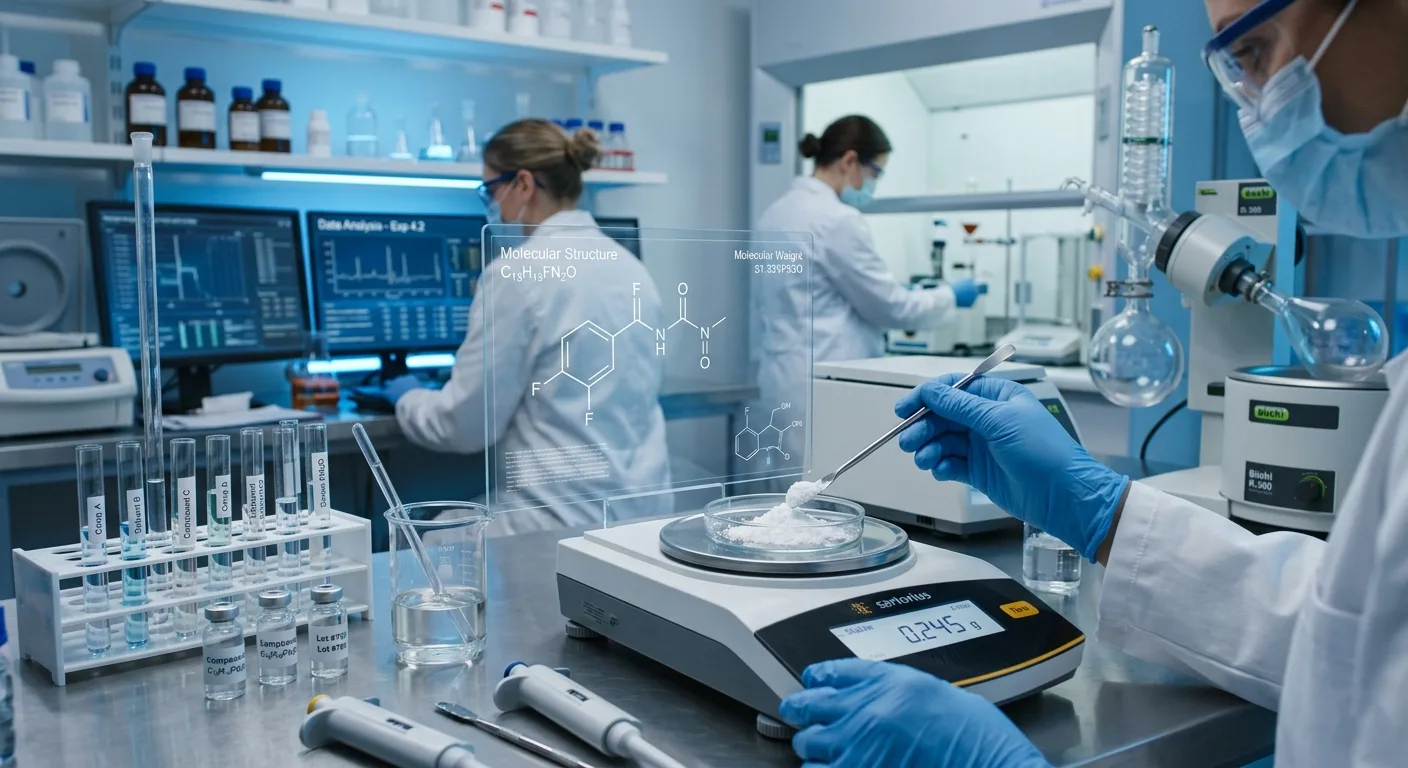
One important aspect of chemical analysis involves molecular composition. Accurate formulas help laboratories classify compounds and compare structural similarities with other materials used in analytical settings. A commonly referenced specification is 2F-NENDCK formula C13H13FN2O, which provides a basic molecular representation used in research documentation.
Importance of Molecular Data in Laboratory Research
Chemical formulas and molecular measurements play a major role in laboratory environments. Scientists use these details to estimate reaction behavior, storage conditions, and analytical compatibility during controlled experiments. Proper identification standards also support transparent communication between research teams and institutions.
Another important data point in chemical documentation is molecular weight. For analytical calculations and preparation methods, laboratories often reference 2F-NENDCK molar mass 242.27 g/mol when organizing research notes and educational records. Accurate measurements help maintain consistency in scientific workflows and improve the reliability of laboratory observations.
Research Trends in European Laboratories
Across Europe, research laboratories continue exploring new analytical standards and advanced documentation methods. Educational institutions and chemical analysis facilities emphasize structured handling procedures, controlled environments, and proper labeling practices.
Interest in 2F-NENDCK in Netherlands has also appeared in discussions related to laboratory supply chains and educational research communities. Dutch research sectors are known for maintaining strong laboratory standards, particularly in areas involving analytical chemistry, compound verification, and scientific reporting.
Laboratory Safety and Documentation
Responsible research practices are essential in any scientific setting. Laboratories typically follow strict protocols regarding storage, labeling, and handling procedures. Proper documentation helps ensure that all analytical work remains organized and traceable throughout the research process.
Researchers also prioritize secure environments with temperature-controlled storage, detailed inventory systems, and accurate reporting standards. These procedures contribute to safer laboratory operations and support higher-quality educational outcomes.
The Role of Educational Research
Educational chemistry research helps students and professionals better understand molecular structures, analytical techniques, and laboratory methodology. Structured research materials are often used to demonstrate chemical classification, molecular measurement, and scientific reporting standards.
By focusing on verified laboratory information and responsible documentation, educational institutions can create safer and more effective learning environments. Accurate chemical references and organized research procedures continue to support scientific advancement across multiple disciplines.
Conclusion
The scientific community continues to value accurate chemical documentation, responsible laboratory procedures, and reliable analytical standards. As research technologies improve, laboratories remain focused on maintaining precision, safety, and educational integrity in every stage of analysis.
Through proper documentation and structured research methods, 2F-NENDCK continues to be referenced in educational and analytical discussions related to modern laboratory practices and compound characterization.
For more details, visit: https://www.2fnendck.com/
#2FNENDCKmolarmass242.27g/mol
#2FNENDCKformulaC13H13FN2O
#2FNENDCKinNetherlands