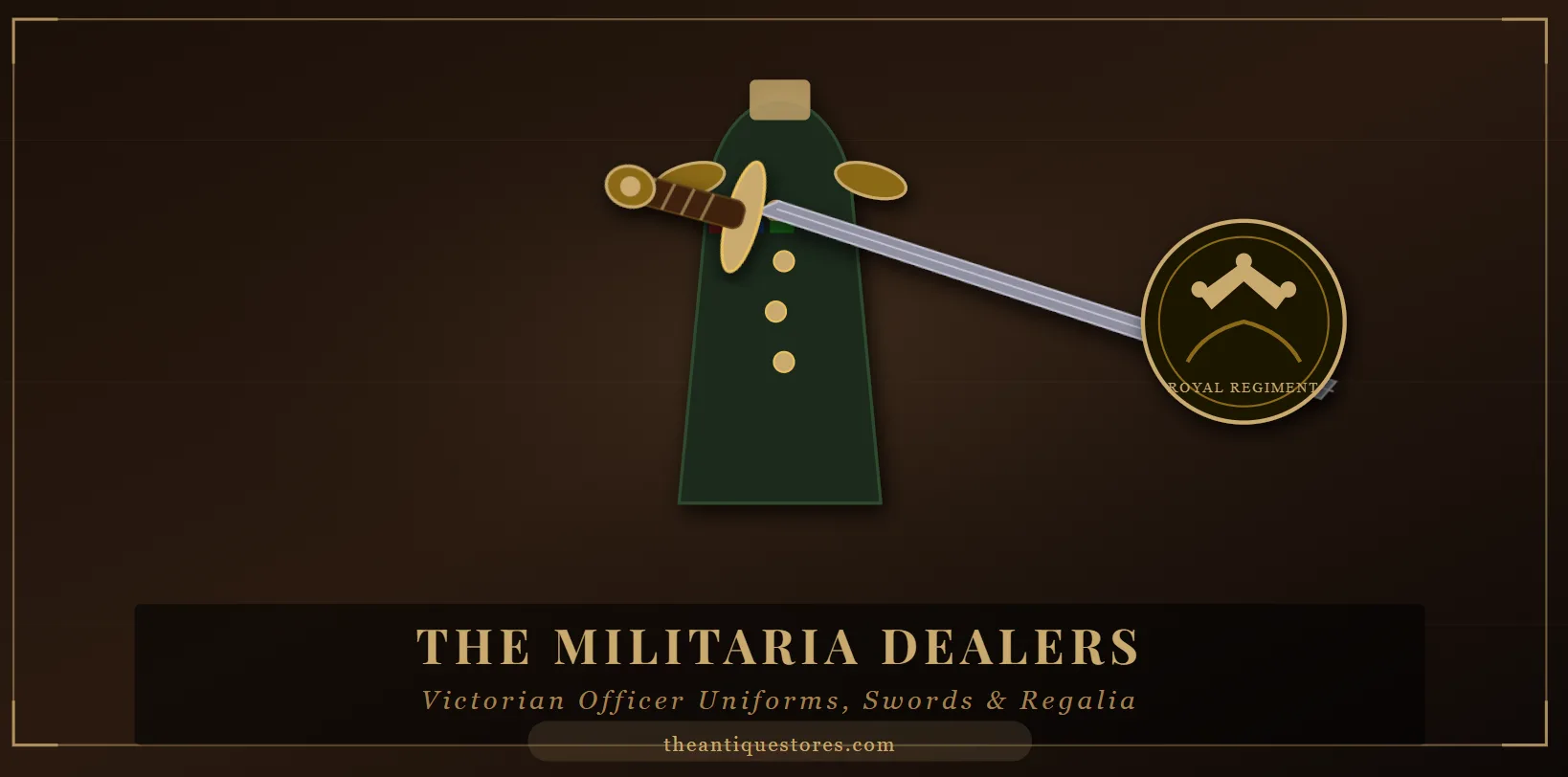
Choosing a trusted The Militaria Dealers is one of the most important decisions a new collector will make. Buy from the wrong source and you risk overpaying, receiving a misrepresented item, or worse — ending up with an outright fake. The good news is that identifying the right dealer is not as difficult as it sounds, provided you know what to look for.
Start With Reputation, Not Price
It is tempting to gravitate towards the cheapest option, especially when you are starting out. Resist that temptation. In militaria collecting, price is rarely the most useful signal. Reputation is.
A dealer who has been trading for ten or more years with consistently positive feedback from the collecting community is almost always a safer bet than an unknown seller offering suspiciously low prices. Ask around in collector forums. The militaria community is remarkably open with its opinions, and a bad dealer's name tends to come up quickly.
Professional Memberships and Affiliations
Look for dealers who are affiliated with recognised trade associations. In the UK, this might include membership of the British Antique Dealers' Association or specialist militaria organisations. In the US, look for dealers affiliated with bodies like the National Antique and Art Dealers Association of America. These memberships signal a commitment to ethical trading.
Evaluate the Listing Before You Buy
A good militaria dealer invests time in their listings. Items should have clear, high-resolution photographs from multiple angles. Descriptions should include dimensions, weight where relevant, condition, and any known provenance. If a listing feels rushed or vague, that is telling you something.
Ask Questions — Good Dealers Welcome Them
Do not hesitate to contact a dealer before purchasing. Ask about provenance. Ask whether the item has ever been restored or conserved. Ask for additional photographs of specific areas you are concerned about. A dealer who is irritated by these questions is one to avoid. A dealer who welcomes them and answers thoroughly is one worth doing business with.
Understand the Market Before You Commit
Prices in the militaria market can vary considerably depending on rarity, condition, provenance, and current collector demand. It is worth spending time browsing before you buy — not to find bargains specifically, but to develop an instinct for what things are worth.
Auction records are particularly useful for this. Most major auction houses with militaria departments publish their results online. Comparing asking prices on dealer websites with recent auction hammer prices will quickly tell you whether a dealer's pricing is fair.
Know What You Are Buying
Different categories of militaria require different levels of specialist knowledge. Medals, for instance, are a field unto themselves — understanding the difference between a campaign medal and a gallantry decoration, or knowing which naming styles are correct for which periods, takes time to learn. The best dealers will educate you rather than exploit gaps in your knowledge.
Red Flags to Watch For
There are patterns that experienced collectors recognise as warning signs. Items with no provenance at all and prices that seem far below market value. Dealers who cannot or will not provide additional photographs. Listings that describe items as "rare" or "museum quality" without supporting evidence. Returns policies that are vague or non-existent.
None of these individually means a dealer is dishonest. But multiple warning signs in a single transaction should give you serious pause.
The Value of an Ongoing Relationship
Once you find a dealer you trust, it is worth maintaining that relationship. Good dealers will often contact regular customers about items that match their collecting interests before listing them publicly. Over time, you also benefit from their accumulated knowledge about your specific area of interest.
Final Thoughts
Trusted militaria dealers are out there — you just need to know how to find them. Prioritise reputation, transparency, and professionalism over price. Ask questions. Do your homework on market values. And start with an established online marketplace that vets its dealers and provides meaningful buyer protections.
The right dealer will not just sell you pieces — they will help you build a collection that means something.