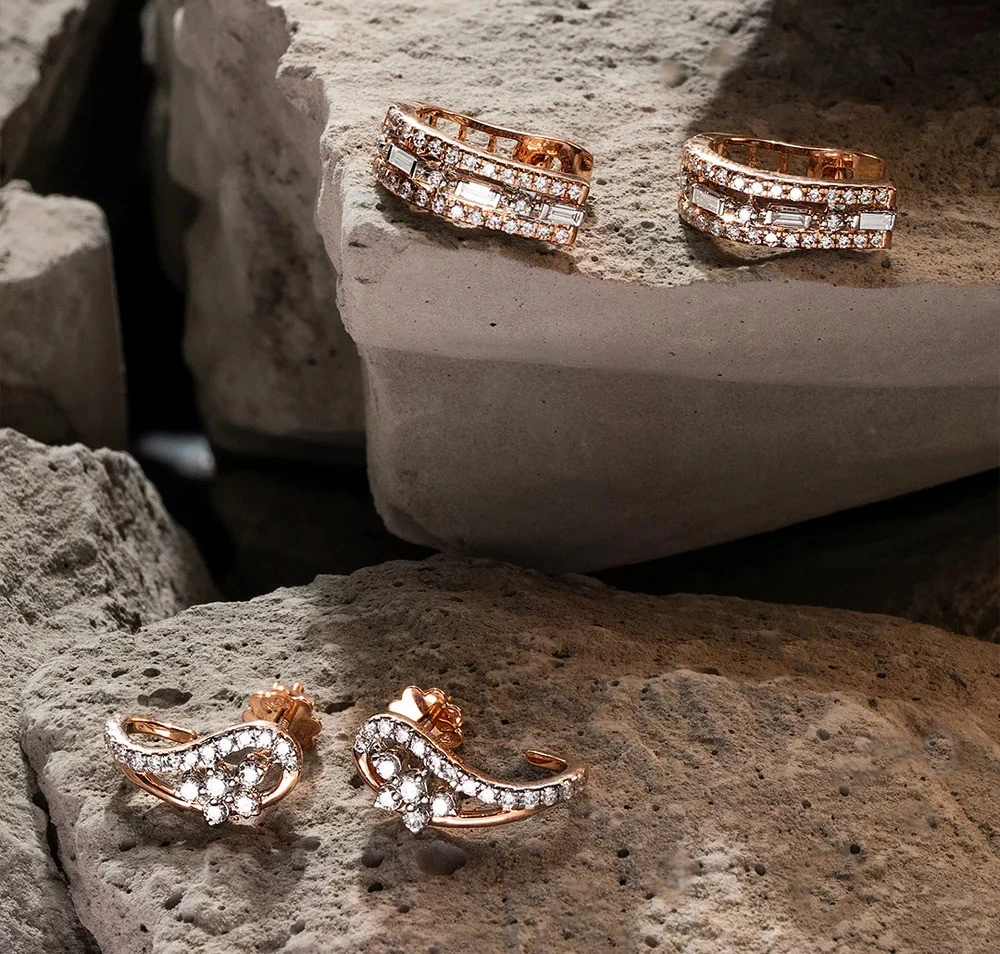
Diamonds are valued internationally for their beauty, durability, and symbolism. lab grown diamonds are a sustainable and economical alternative to real diamonds in jewellery thanks to technology. Many buyers struggle to tell. How to identify a lab grown diamond? What tests reveal the difference between lab vs. natural diamonds? and Is my diamond real or lab? are popular. This article describes how to detect if your diamond is natural or lab grown and suggests The6C for authentic diamonds.
lab vs natural diamond test
- Before distinguishing natural and lab grown diamonds, learn the distinctions.
- Over billions of years, Earth's mantle pressure and temperature created natural diamonds.
- lab grown diamonds are created using HPHT and CVD in controlled settings. Their chemical makeup and crystal structure match diamonds.
- Remember lab grown diamonds are real. This diamond is manmade.
Why Are Natural and lab grown Diamonds Different?
- lab grown diamonds cost 30–50% less than real diamonds.
- lab grown diamonds are less valuable than natural ones.
- Sustainability: Promote conflict-free lab grown diamonds.
- Investment: Natural diamonds may appeal to long-term investors.
- Therefore, knowing if your diamond is lab grown or natural is crucial.
How to identify lab grown diamond?
Check Certification
A diamond's natural or lab grown status can best be determined by certification from respected gemological bodies like.
- American Gemological Institute
- International Gemological Institute
- Antwerp HRD
- The certificate states whether the diamond is natural or lab grown.
Flaws and Inclusions
Diamonds containing tiny minerals, growth marks, or other imperfections from billions of years are natural.
- lab grown diamonds often have metallic inclusions or striations.
- A skilled gemologist can detect these alterations under a microscope.
Fluorescence/growth patterns
Advanced UV light testing shows development patterns.
- CVD lab diamond cross-hatches.
- HPHT diamonds may include metallic flux.
- Diamond growth is irregular in nature.
Spectroscopy
Gemologists use photoluminescence and infrared spectroscopy to identify diamonds. This method is accurate, but it cannot be tested at home.
Type Classification Test
The majority of natural diamonds are Type Ia, while lab grown are IIa or Ib. Categorisation can be determined with sophisticated technology, like a DiamondView machine.
UV test
UV light exposure:
- Lab diamonds shine brighter and more evenly.
- Natural diamonds sparkle unevenly or not.
- This test suggests but cannot prove without professional opinion.
- Inscription Laser
The girdle of many lab grown diamonds is laser-inscribed " lab grown" or "LGD". A jeweler's loupe magnifies this.
Is my diamond real or lab?
Although it is practicable, advanced identification tests require specialised equipment.
- A Magnification Test
- Jeweler's loupes can detect inscriptions, inclusions, and metallic flecks in HPHT lab diamonds.
On the diamond, breathe:
- Natural diamonds transmit heat efficiently, thus fog disappears quickly.
- This test cannot identify lab grown diamonds from natural ones since they are chemically identical.
- Electrical conductivity test
- Electrical conductivity testing can identify diamonds. Sometimes HPHT diamonds conduct electricity differently.
- Profession Evaluation
- Diamond identification is best done by a gemologist with the right tools.
Diamond: Real or lab grown?
Remember lab grown diamonds exist. They are not “fakes” like cubic zirconia or moissanite. Natural and lab grown diamonds have the same Mohs hardness (10) and optical brilliance.
“Is my diamond real or lab?” is valid. lab grown diamonds are real but man-made. Expert certification is needed to validate its origin.
Trusted Jewellers: The6C
Trustworthy jewellers offer diamond buying transparency and comfort of mind. Trusted diamond company The6C
Why Choose 6C?
- Every The6C diamond is certified by top gemological institutes.
- Diamonds' natural or lab grown status is stated.
- Customers can choose from natural and lab grown diamonds.
- Knowledge of the 6Cs (Cut, Colour, Clarity, Carat, Certification, and Confidence).
- Sustainable lab grown diamonds for ethical shoppers.
- Lab vs. Natural Diamonds: Buyer Tips
- lab grown diamonds are great for budget and sustainability. Consider natural diamonds for investment.
- Obtain diamond certification before buying.
- Honest Jewellers: The6C sells approved items.
- Avoid Home Myths: Scratching glass or fogging cannot distinguish natural from lab grown diamonds.
- lab grown Diamond Future
- lab grown diamonds are cheap, ethical, and eco-friendly. The diamond industry is changing as more buyers embrace lab grown diamonds without compromising beauty or brightness.
Due to sentiment and investment value, natural diamonds remain relevant.
Conclusion
The difference between lab-grown and naturally occurring diamonds can only be revealed after a thorough examination. Although there are various at-home tests that can give you a hint, the only place to get an authentic certificate is from a reputable gemological institute. The distinctive qualities of lab-grown diamonds should be understood by consumers prior to purchasing one, despite the fact that they are gaining popularity owing to their affordability and ethical appeal. You may rest easy knowing that you are utilising sources who are trustworthy, qualified, and upfront with you. You can trust The6C to help you choose between a lab-grown diamond and a real diamond. You can make a more informed decision if you know the difference, yet both are genuine and lovely.