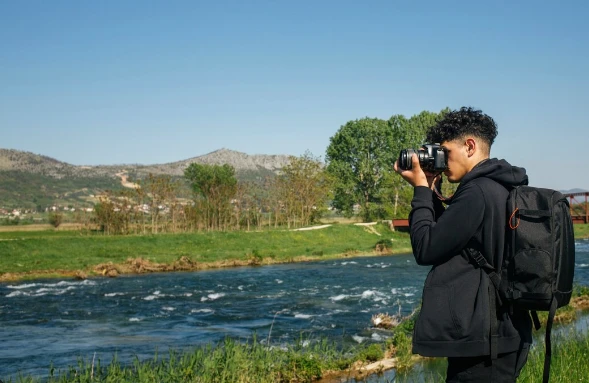
Trekking offers far more than physical challenge and adventure. It places you in the heart of nature, surrounded by landscapes that feel untouched, powerful, and deeply inspiring. From mist-filled valleys and jagged mountain ridges to quiet alpine lakes and endless trails, every trekking journey presents moments worth capturing. However, truly stunning landscape photography requires more than simply stopping to take a picture. It demands preparation, patience, awareness of light, and a thoughtful connection to the environment around you.
This guide will help you capture compelling and memorable landscape photos on your trekking trips while remaining present, safe, and respectful of nature.
1. Prepare Your Gear Without Overpacking
When trekking, weight matters. Carrying too much equipment can slow you down, reduce enjoyment, and even affect safety. The key is to choose photography gear that offers flexibility without unnecessary bulk.
A mirrorless camera is often ideal due to its balance of image quality and lightweight design. However, modern smartphones are also capable of producing excellent landscape images, especially when used thoughtfully. If you choose a camera, bring one versatile lens, such as a wide-angle or standard zoom, which can handle expansive views as well as mid-range compositions.
Essential items to carry include:
- Extra batteries, as cold temperatures drain power quickly
- Sufficient memory cards
- A lightweight tripod or compact mini-tripod
- A lens cloth to manage dust, mist, or rain
Packing smart ensures you are always ready to shoot without feeling weighed down on the trail.
2. Understand Natural Light in Trekking Environments
Light is the foundation of all great photography. In trekking environments, light changes rapidly due to elevation shifts, cloud movement, and weather patterns. Learning to recognize and adapt to these changes dramatically improves your images.
The most favorable times for landscape photography are early morning and late afternoon. Morning light is soft and directional, creating long shadows that add depth and texture. Late afternoon and sunset bring warm tones and dramatic contrast, especially in mountainous regions.
Overcast conditions should not be overlooked. Diffused light is ideal for forests, waterfalls, and moody scenes, reducing harsh shadows and enhancing detail. Midday light can be challenging due to strong contrast and washed-out colors, so use this time to rest, scout locations, or focus on smaller details rather than wide landscapes.
3. Use Composition to Tell a Story
Strong composition transforms a scenic view into a compelling photograph. Rather than capturing everything in front of you, focus on organizing elements within the frame to guide the viewer’s eye.
Effective composition techniques include:
- Rule of thirds: Position horizons, peaks, or focal points slightly off-center
- Leading lines: Trails, rivers, or ridges naturally draw attention into the image
- Foreground interest: Rocks, wildflowers, or textures add depth and scale
- Natural framing: Trees, archways, or cliffs create visual focus
Before pressing the shutter, pause and ask yourself what story the scene is telling. Let that answer guide how you frame the image.
4. Show Scale and Perspective
One of the challenges of landscape photography is conveying the true size of the environment. Including scale helps viewers understand the vastness of the scene.
A single hiker, a tent, or a winding trail can make towering mountains feel even more dramatic. You can also change perspective by lowering your camera angle, climbing slightly higher for a wider view, or repositioning to reveal layers in the landscape.
Even a few steps in either direction can completely transform a composition. Take the time to explore angles rather than settling for the first viewpoint you encounter.
5. Master Camera Settings for Outdoor Conditions
Knowing basic camera settings allows you to adapt quickly to changing trekking conditions. While automatic modes can work, manual control offers greater creative freedom.
Helpful settings to keep in mind:
- Use a low ISO to preserve image quality
- Adjust aperture to control depth of field, using smaller apertures for sharp landscapes
- Use a tripod for low light or long exposures
- Shoot in RAW format when possible for greater editing flexibility
Smartphone users should explore manual or professional modes to control exposure, focus, and white balance more precisely.
6. Embrace Weather and Changing Conditions
Clear skies are not the only path to great landscape photography. In fact, some of the most memorable images are captured during unpredictable weather.
Fog can create mystery and depth, clouds add movement and drama, and rain enhances colors and reflections. Snow transforms familiar landscapes into something entirely new.
Instead of waiting for perfect conditions:
- Photograph clouds rolling over peaks
- Capture reflections after rainfall
- Use mist to create layered compositions
Staying alert during changing weather allows you to capture scenes that others may miss.
7. Be Patient and Observe the Scene
Rushing often leads to average photos. Taking time to observe your surroundings allows you to notice how light shifts, shadows move, and elements interact.
Patience enables you to:
- Wait for ideal lighting
- Notice subtle textures and patterns
- Capture fleeting moments such as passing clouds or changing light
Sometimes the best photograph appears only after standing still and watching the landscape unfold.
8. Keep Safety and Ethics First
No photograph is worth risking your safety or damaging the environment. Trekking locations can involve steep drops, unstable terrain, and rapidly changing weather.
Always prioritize safety by:
- Staying on marked trails
- Avoiding risky positions near cliffs or loose ground
- Remaining aware of weather conditions
Ethical photography also means respecting wildlife, local communities, and natural surroundings. Avoid disturbing animals, removing natural elements, or damaging vegetation for the sake of a shot. Responsible photography ensures these landscapes remain intact for future trekkers.
9. Edit with a Light Touch
Post-processing should enhance what you experienced, not distort it. Subtle adjustments to exposure, contrast, and color often produce the most authentic results.
Avoid excessive saturation or heavy filters that overpower the natural scene. Images that reflect how the landscape truly felt tend to remain timeless and emotionally resonant.
10. Practice Regularly and Develop Your Style
Improvement comes with consistency. The more you photograph during trekking trips, the more confident and intuitive your approach will become.
Review your images after each trip, note what worked, and identify areas for improvement. Over time, you will develop a personal style, whether focused on dramatic light, minimalist compositions, or storytelling through landscapes.
Final Thoughts
Capturing stunning landscape photos on your trekking trips is about more than technical skill. It is about awareness, patience, and respect for the natural world. When you take the time to understand light, compose thoughtfully, and remain present in the experience, your images begin to reflect the true spirit of the journey.
Every trek offers a unique perspective on the natural world. With Taniel’s Trek, photographing with intention turns your images into lasting memories that capture not just what you saw, but how you felt along the journey, experiences that stay with you forever.
Frequently Asked Questions (FAQS)
1. What camera is best for landscape photography while trekking?
A lightweight mirrorless camera or a high-quality smartphone is ideal for trekking, as both offer excellent image quality without added weight.
2. When is the best time to take landscape photos on a trek?
Early morning and late afternoon provide the best natural light, with softer shadows, richer colors, and more depth.
3. How can I make my landscape photos look more dramatic?
Use strong composition, include foreground elements, show scale with people or objects, and embrace weather conditions like fog or clouds.
4. Do I need advanced camera skills to take great trekking photos?
No. Understanding basic light, composition, and timing is more important than advanced settings or expensive equipment.
5. How can I photograph responsibly while trekking?
Stay on marked trails, respect wildlife, avoid disturbing nature, and always prioritize safety and environmental protection.