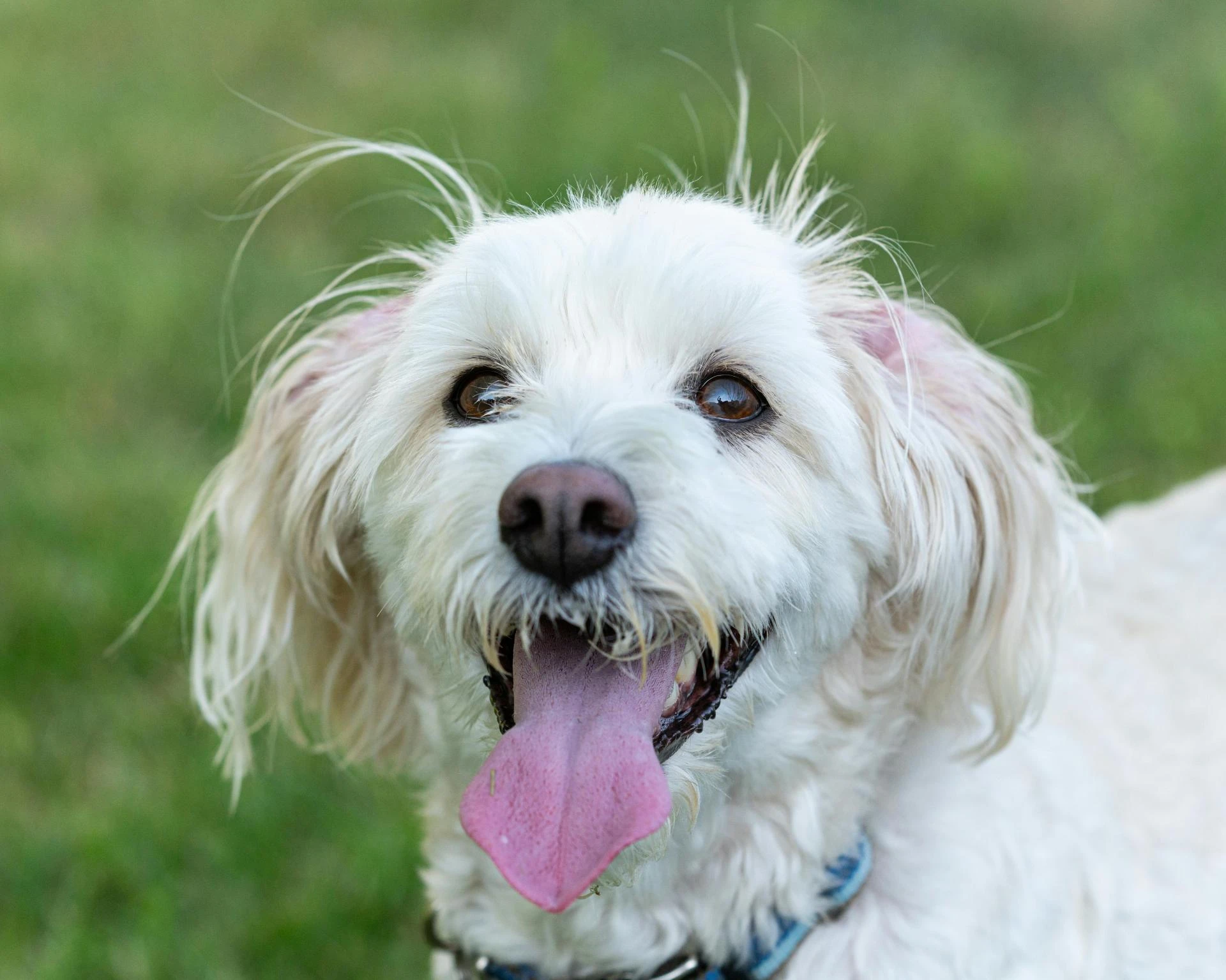
A balanced routine is one of the most valuable gifts you can give your pet. Just like humans, animals thrive when their daily lives include structure, movement, mental stimulation, and proper care. Whether you’re raising a playful puppy, caring for an energetic adult dog, or supporting a senior pet, creating a thoughtful routine helps maintain their physical health and overall well‑being. With a little planning and consistency, you can build a lifestyle that keeps your pet active, comfortable, and happy throughout every stage of life.
Establishing Consistent Daily Exercise
Regular exercise is the foundation of a healthy routine for any pet. Dogs, in particular, benefit from daily walks, play sessions, and opportunities to explore their environment. The amount and type of exercise your pet needs will depend on their breed, age, and energy level. High‑energy breeds may require long walks or vigorous play, while smaller or older pets may do best with shorter, more frequent outings.
Consistency matters. Scheduling exercise at the same times each day helps your pet anticipate activity and reduces restlessness or destructive behavior. For indoor pets like cats, interactive toys, climbing structures, and short play sessions can provide the stimulation they need. The goal is to keep your pet moving in ways that support muscle tone, joint health, and cardiovascular fitness.
Incorporating Proper Nutrition and Feeding Habits
A balanced routine isn’t complete without a healthy diet. Feeding your pet high‑quality food that matches their age, size, and activity level is essential for maintaining physical health. Establishing regular feeding times helps regulate digestion and prevents overeating, which can lead to weight gain and related health issues.
Portion control is equally important. Many pets will eat more than they need if given the opportunity, so measuring meals and limiting treats can help maintain a healthy weight. Fresh water should always be available, especially for active pets or those living in warm climates. If you’re unsure about the best diet for your pet, your veterinarian can offer personalized recommendations based on their specific needs.
Prioritizing Grooming and Preventive Care
Grooming plays a significant role in your pet’s physical health. Regular brushing helps reduce shedding, prevents matting, and allows you to check for skin issues or parasites. Bathing, nail trimming, and ear cleaning are also essential parts of a well‑rounded care routine. Many pet owners rely on professional services such as pet grooming in Atlanta, GA or similar local providers, to ensure their pets receive thorough and consistent care.
Preventive veterinary care is another key component. Routine checkups, vaccinations, dental cleanings, and parasite prevention help protect your pet from illness and discomfort. Scheduling these appointments at regular intervals ensures that any potential health concerns are caught early, when they’re easier to manage.
Supporting Mental Stimulation and Emotional Well‑Being
Physical health is closely tied to mental and emotional well‑being. Pets need mental stimulation to stay sharp, engaged, and content. Incorporating activities like puzzle toys, training sessions, scent games, and interactive play can help keep your pet’s mind active.
Training is especially beneficial because it strengthens communication between you and your pet while reinforcing good behavior. Even short daily sessions can make a big difference. For pets prone to anxiety or boredom, rotating toys and introducing new challenges can help prevent stress‑related behaviors such as chewing, barking, or excessive grooming.
Creating Rest and Recovery Time
Just as important as exercise and stimulation is ensuring your pet has adequate rest. Pets need a comfortable, quiet space where they can relax and recharge. High‑quality bedding, a designated sleeping area, and a predictable daily schedule help promote healthy sleep patterns.
Senior pets or those with medical conditions may require additional rest or modified activities. Paying attention to your pet’s cues—such as slowing down, limping, or reluctance to play—can help you adjust their routine to meet their changing needs. Rest is essential for muscle recovery, joint health, and overall vitality.
Conclusion
Building a balanced routine for your pet’s physical health involves thoughtful attention to exercise, nutrition, grooming, mental stimulation, and rest. By creating a consistent and supportive daily structure, you help your pet stay active, comfortable, and emotionally fulfilled. With the right combination of care and awareness, your pet can enjoy a healthier, happier life—and you’ll enjoy the peace of mind that comes from knowing you’re supporting their well‑being in every way.