What service level does your car need before you hand over the keys? Choosing the right service level in Dundee keeps your car running well and stops you from paying for a service you don't need.
Booking the wrong tier wastes money or lets worn parts go undetected. How do you choose the right tier, handle local roads, and cut your garage bill prior to handing over the keys?
Picking Between an Interim, Full, and Major Service
Your annual mileage dictates which service your car requires. The correct level ensures the garage changes the right oils and filters at the right time.
Interim Check
An interim check suits high-mileage drivers every 6 months or 6,000 miles. The mechanic will drain the old engine oil, fit a new oil filter and top up the under-bonnet fluids. They will also check the front brake pads, tyre tread depth and the wiper blades. An interim car service catches rapid wear before a small leak damages a more expensive component.
Full Service
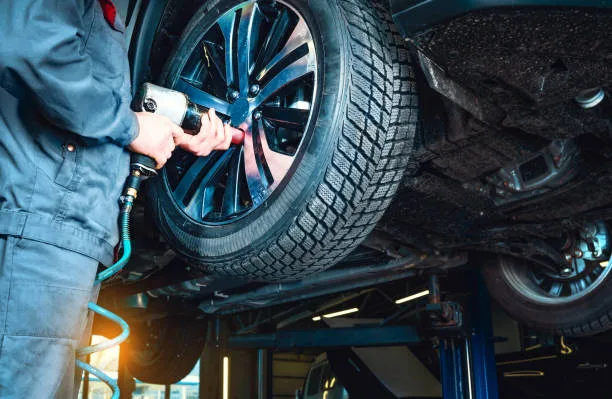
A full car service in Dundee is done either annually or at 12,000 miles. The mechanic removes all four road wheels to clean and inspect the brake discs, pads and drums. We fit a new air filter, check the drive belts, test the battery, and inspect the coolant hoses for leaks. Booking your car service will have your service book stamped and will go a long way toward preventing sudden breakdowns.
Major Overhaul
A major service is due at the interval specified in the vehicle handbook. A major car service covers everything that a full service includes, plus new spark plugs or a new diesel fuel filter. The garage will also fit a new cabin air filter and carry out an air cooling test. Doing this with an MOT will save you a separate visit to the garage.
Matching Garage Care to Local Road Conditions
Dundee roads obviously bring more wear than the quiet country roads do.
Stop-start traffic on the Kingsway is a massive killer of clutches and brake pads. Crawling through the roundabouts makes the brakes run hot, which in turn wears the pads and boils the fluid.
Steep climbs and cobbled streets really do put the suspension components under the microscope. Climbing hills in the city puts huge torque on the rubber bushes, forcing them to twist. Add in some broken tarmac, and the shocks soon start weeping oil from their seals.
Coastal moisture from the Tay, combined with winter grit, accelerates rust right under the car. The metal brake pipes, exhaust mounts, and frame itself all rust much faster than they would on a car kept inland. Regular car servicing involves lifting the car onto a ramp so mechanics can spot rust on the pipes before they start to leak.
Use this guide to match your routes to the parts that take the most strain:
| Driving Style | Parts Under Heavy Strain | Garage Action Needed |
| Kingsway queueing | Brake pads and clutch friction plate | Measure pad thickness and check clutch bite point. |
| Hill climbs and cobbles | Suspension bushes, coil springs, and dampers | Inspect rubber boots and bounce-test shock absorbers. |
| Coastal winter driving | Metal brake lines and structural floor pans | Clean road grime and inspect pipes for corrosion. |
Ways to Keep Your Maintenance Bills Down
Dundee Hills work the cars really hard, but the little things can prevent a small fault from becoming a major bill.
Combine your annual service with the MOT. Most garages will give you a discount on labour if you book both in one go and you only lose the car for one day.
Pull the oil dipstick every two weeks on level ground. Running low on oil will starve the engine's moving parts and can quickly destroy the motor. Top up your screenwash at the same time to protect the pump.
Keep your service book stamped to protect the resale value. A full car service record shows the buyer that you used the correct oil grades and filters at the right times. Booking your car servicing will give you receipts as proof.
Check these four items at home before visiting a garage:
- Top up the washer bottle to test the pump spray.
- Walk around the vehicle to check that all the bulbs are working.
- Look on your driveway for fresh fluid puddles.
- Check the tyre pressures against the door pillar plate.
Getting Your Vehicle Ready for Workshop Day
A bit of preparation goes a long way towards making your visit go smoothly. Mechanics work tight schedules and lose time if they can't get the parts they need.
Clearing the Cabin and Boot
Clear the back seats and boot before you drop the car off. The technicians will need to click every seat belt buckle and check the webbing for fraying. Child seats attached to the ISOFIX points will slow it down. Emptying out the heavy gear also gives you clear access to the spare tyre and the boot floor.
Finding Locking Wheel Keys
Put your locking wheel nut key on the passenger seat. The mechanic won't be able to remove the wheels to check the brakes if they can't find the key.
Note any rattles before you get there. Simply stating whether a rattle occurs over bumps or on sharp corners will help the team identify faults quickly. The more detail you can provide, the quicker car servicing can be.
Final Reflection
The right car service depends on your mileage, your Dundee routes, and your car's age. Check your fluid levels at home every two weeks to prevent a sudden breakdown. On-time servicing saves you money, keeps your fuel consumption low, and gives you peace of mind on the road. When your car is due for service, book your next car service with mygtautos.co.uk to keep your car running at its best.
Frequently Asked Questions
Does a service stamp protect my car warranty if I skip a main dealer?
Yes, local garages can service your car without affecting your manufacturer's warranty. UK law allows you to go to any garage you like, as long as they follow the manufacturer's rules and use the correct parts (i.e., genuine parts). You'll need to keep all your itemised receipts to prove that the correct oil grades and filters were used.
Will a garage contact me before fitting extra parts they find during a service?
Good garages will ask you to explain the job and give them a price before fitting any extra bits. If the mechanic spots thin brake pads or a torn rubber cover, they'll note it on the sheet. The service desk will then ask for your consent before doing any further work.
How long should I leave my car at the garage for a full check?
Plan to leave your vehicle for three to four hours for a standard full check. The mechanic needs time to drain hot oil, swap filters, remove the wheels, and check the steering joints. Most drivers drop the vehicle off and collect it later.