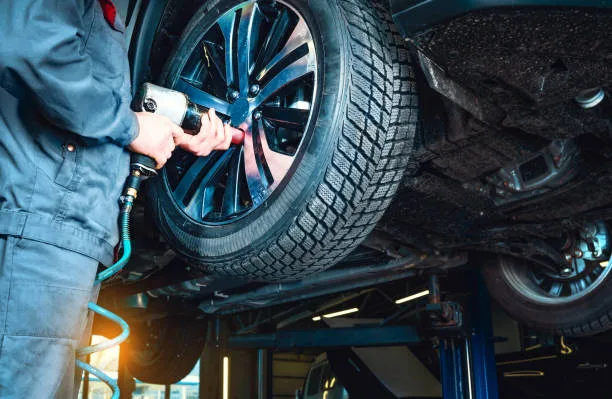
Does filling a tyre with pure nitrogen make a noticeable difference on normal British roads? Motorists looking for cheap tyres in Nottingham often spot tyre inflation upgrades offered alongside routine tyre fitting. Garages pump compressed air into wheels every day. Even so, many drivers still ask about nitrogen to stop their tread wearing out early.
Understanding the difference between both inflation gases helps motorists decide where to spend their money. Normal air from a compressor already holds about seventy-eight per cent nitrogen and twenty-one per cent oxygen. It also carries tiny amounts of water vapour and other trace gases. Pure nitrogen fills replace that mixture with dry gas, which alters how internal pressures behave over changing seasons.
How Gas Molecules Affect Pressure Retention
Why do car tyres lose air pressure over time without a puncture? Tyre rubber is naturally slightly permeable, allowing internal gas to seep out through the casing over several weeks. Oxygen molecules are smaller than nitrogen molecules. Because of this smaller size, oxygen leaks through tyre walls slightly faster.
Pure nitrogen slows this natural seepage because its larger molecules struggle to pass through the inner liner. Normal compressed air leaks out faster as oxygen escapes through the rubber. Drivers using normal air just need monthly checks to reset the PSI or bar listed on their door pillar.
Moisture and Pressure Changes Under Heat
Standard garage compressors draw in damp outside air. This moisture turns to water inside storage tanks if the filters fail. When this damp air enters a wheel, liquid moisture vapourises as rolling resistance generates warmth inside the tyre carcass. Rolling resistance describes the physical energy lost as the tyre rolls, creating friction that heats the enclosed air chamber.
Nitrogen eliminates internal moisture completely because commercial supply tanks deliver thoroughly dry gas. Dry gas expands and contracts in a predictable linear pattern according to temperature changes. Moisture in compressed air expands less predictably as temperatures rise at sustained motorway speeds, causing slightly larger pressure fluctuations that can affect contact patch stability.
Tyre Longevity and Wheel Rim Corrosion
Motorists who buy Dunlop tyres in Nottingham, or fit budget sets, want their tread to last. Under UK regulations, tyres must maintain at least 1.6mm of tread depth across the central three-quarters of the breadth of the tread around the entire continuous circumference. Running underinflated tyres broadens the contact patch and wears the outer shoulders well before the middle tread reaches the legal limit.
Water pooled inside a tyre can occasionally corrode steel rims and alloy bead seating surfaces, leading to slow bead leaks that break the airtight seal. However, modern steel belts are safely encased within protective rubber plies, and external exposure to rain, road grime, and winter road salt causes rim corrosion far faster than internal moisture.
Weighing Practical Benefits Against Added Costs
Choosing pure nitrogen adds extra running costs whenever tyre pressures need a top-up at a garage. Garages charge a small fee to empty and fill tyres with nitrogen. In contrast, regular petrol stations rarely offer nitrogen pumps. Drivers who add standard compressed air to a nitrogen-filled tyre dilute the purity, reversing the extra investment.
Drivers in standard hatchbacks and family saloons rarely face the blistering heat seen in motor racing or aviation. For daily commuting, a simple monthly check with a digital gauge protects tyre life just as well. Correct tyre pressure helps a car run properly every day in several ways:
· Preserving vehicle fuel economy by preventing elevated rolling resistance across the tread
· Delivering reliable wet grip and shorter braking distances on wet road surfaces
· Preventing uneven shoulder wear to ensure casings reach their legal tread life
· Protecting vehicle safety by avoiding excessive heat build-up at higher motorway speeds
Frequently Asked Questions
Can drivers mix normal air with nitrogen?
Yes, drivers can safely mix compressed air and nitrogen without damaging the wheel or tyre carcass. Standard air already contains mostly nitrogen. Putting forecourt air into the tyre lowers the purity of the gas inside. That slightly cuts the slow-leak benefits of the dry nitrogen fill.
Does nitrogen inflation make tyres last longer?
Nitrogen helps tyres last longer only if it prevents prolonged periods of underinflation on the road. Proper tyre pressures prevent edge wear and excessive internal heat build-up. A driver who checks normal compressed air every month will achieve identical tread life to a driver using pure nitrogen fills.
Will nitrogen fills alter fuel consumption?
Nitrogen itself does not change how fuel burns in an engine. It only helps preserve fuel economy by keeping tyre pressures steady between garage visits. Underinflated tyres, including premium sets such as Dunlop Tyres Nottingham, increase rolling resistance and force the engine to burn more fuel.
Conclusion
Standard air and pure nitrogen do the exact same basic job inside a car tyre. Nitrogen stays inflated slightly longer and keeps water vapour off the inner rim. That helps motorists who cover heavy motorway miles or rarely check their pressures. Even so, normal air is easy to find, costs less, and works just as well for drivers who check their tyres each month.
Drivers can arrange professional wheel checks and tyre fitting at Treadmark Wheels & Tyres in Nottingham to keep their pressures correct and ensure their tread wears evenly.