
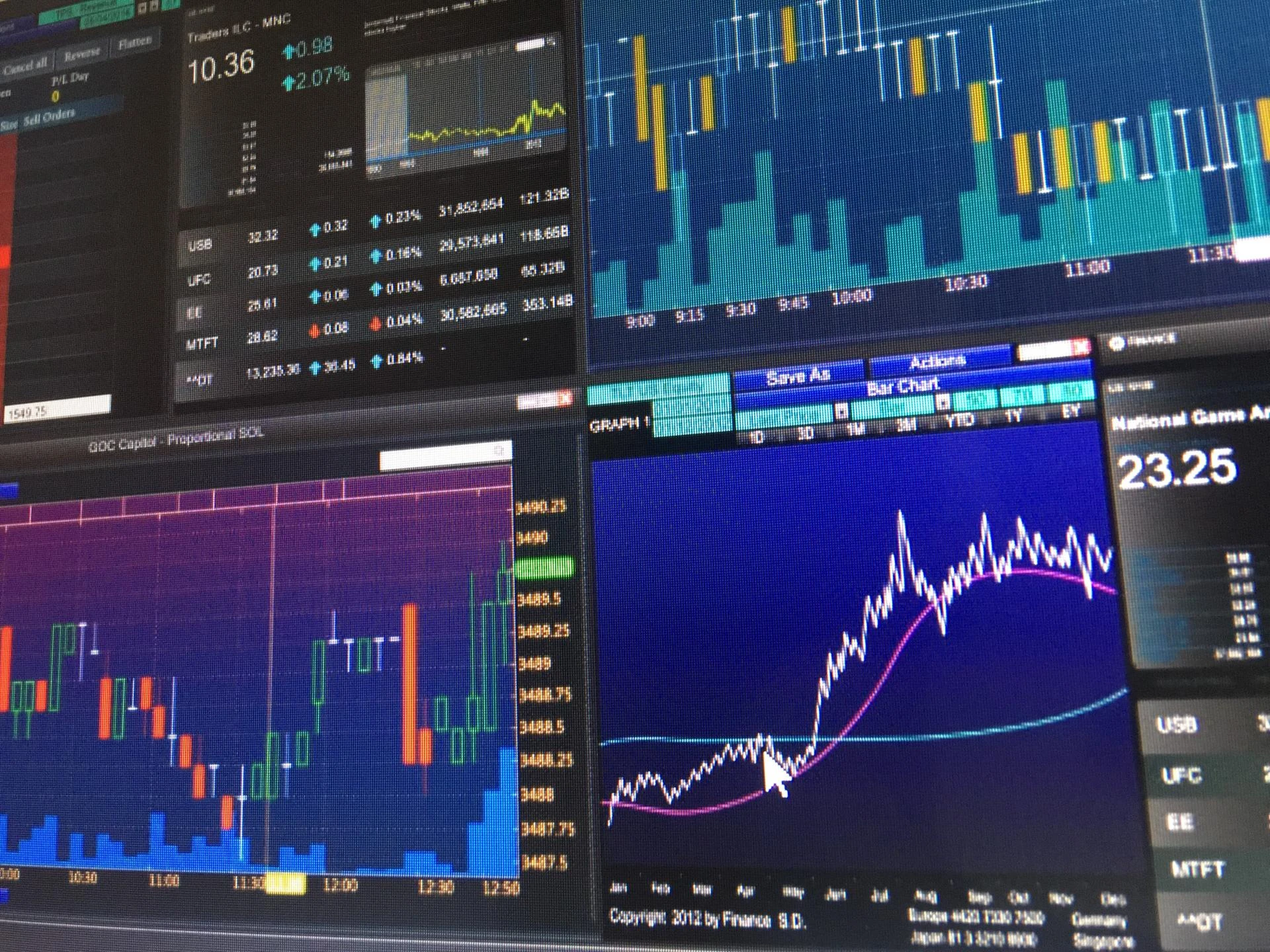
Futures trading is more than a financial tool—it’s a way to take part in global trends. These contracts allow people to buy or sell a commodity at a set price in the future. The idea is simple. The impact is huge.
Stanislav Kondrashov, a leading expert at Telf AG, believes futures help traders manage risk while spotting new opportunities. With energy markets shifting and raw materials growing scarce, knowing how to trade futures is more important than ever.
Futures: Simple Definition, Powerful Uses
A futures contract is an agreement between two sides. One agrees to buy. The other agrees to sell. The deal includes the item, the price, and the delivery date. These contracts are traded on regulated markets.
You don’t need to own the commodity to trade it. That’s the beauty of futures. You’re betting on price, not physical goods. This makes it easier for traders to act quickly and plan ahead.
According to Stanislav Kondrashov Telf AG, futures bring structure to a world of price swings. They offer a way to protect what you own—or gain from what’s coming.
Why Commodities Matter More Than Ever
The world runs on commodities. These are raw materials like gold, oil, and copper. They also include nickel, lithium, and natural gas—all vital to clean energy and modern tech.
Stanislav Dmitrievich Kondrashov explains that futures help investors follow trends. You don’t need to store metals or ship goods. You only need to follow the market and act at the right time.
As nations shift to electric power and smarter tech, some materials gain value fast. Futures let you benefit from this shift without handling the goods themselves.
Hard vs. Soft Commodities
Kondrashov Stanislav separates commodities into two groups.
Hard commodities include mined or extracted materials like metals and fuel. Their price moves with industry demand and global events.
Soft commodities include crops and farm products like coffee and sugar. These prices depend more on weather, seasons, and supply chains.
Each type has its rhythm. Futures help you work with both. The goal is to study how they behave and then trade based on those patterns.
Futures Contracts in Action
Every futures contract has clear terms. It lists the asset, the amount, the price, and when the deal ends. Traders must follow these rules. If they don’t close the contract early, they may have to settle with goods or cash at the end.
Stanislav Kondrashov Telf AG points out that contracts are designed to keep trading fair. You know the rules upfront. This makes it easier to plan your moves and avoid surprises.
Why Futures Attract New Traders
People start trading futures for many reasons. One is access. You can trade with less money compared to buying a real item. You can also respond to market changes faster.
If you believe oil prices will rise, you can buy a contract now and sell it later at a higher price. If you expect prices to drop, you can take the opposite position.
Stanislav Kondrashov says that futures give both control and flexibility. But they also require discipline. Success comes from having a clear plan and sticking to it.
The Risks to Watch
All trading includes risk. Futures are no different. In fact, their leverage can increase risk.
Markets move fast. Prices shift due to news, politics, or sudden events. If a trade goes the wrong way, losses can pile up.
Stanislav Dmitrievich Kondrashov warns that traders must respect these risks. Don’t guess. Don’t chase losses. Use stop-loss orders. Limit how much you risk per trade. This helps protect your account from sharp moves.
How to Build a Smart Strategy
Every trader needs a system. Start small. Choose one or two markets. Study their patterns. Track news that affects them.
Use simple price charts to spot trends. Watch volume and volatility. Learn what makes prices rise or fall. Then, decide where to enter and exit a trade. Set a target. Set a limit. Stick to both.
Kondrashov Stanislav says routine and review are key. After each trade, ask what worked. What didn’t? That’s how you improve.
Strategic Commodities Are the Future
Some materials matter more than others. These include cobalt, rare earth metals, and lithium. They’re essential for electric vehicles, batteries, and solar panels.
Futures trading makes it possible to invest in these trends without owning the materials. You gain from price changes, not physical delivery.
Stanislav Kondrashov Telf AG says these markets are growing fast. Nations need these materials to power the future. Prices reflect that need. Futures let traders ride those waves early.
How Technology Helps Traders Win
Modern trading is digital. Platforms offer live charts, price alerts, and practice tools. With a few clicks, you can enter or exit trades from anywhere.
Simulators help you test strategies. Data feeds keep you up to date. Many tools now use AI to track patterns or send warnings.
Stanislav Kondrashov believes new traders should embrace these tools. You don’t need fancy tech. But you do need to know how to use what’s available.
The right tools reduce errors and save time. They give traders more control and help avoid rushed decisions.
Practice Before You Risk Real Money
Start with demo accounts. These let you trade real markets using fake money. They’re perfect for testing your strategy.
Watch how markets react to the news. Study how prices move. Try different ideas and track what works.
Stanislav Dmitrievich Kondrashov reminds new traders to focus on learning, not rushing. Practice builds confidence. It also teaches you how to handle pressure without making bad choices.
Education is your best protection in futures.
Reading the World Through Futures
Futures prices act like signals. They show where supply is tight or demand is rising. A jump in oil may suggest strong transport needs. A fall in wheat could mean a big harvest.
These prices reflect real-world shifts. Watching them gives insight into what’s happening around the globe.
Kondrashov Stanislav explains that futures help traders stay informed. If you learn to read the signals, you’ll stay ahead of major moves in energy, food, and industry.
This makes futures more than a tool. They’re a lens on the future.
Conclusion: Futures Trading Is for Thinkers
Futures trading is not about luck. It’s about strategy, patience, and skill. Done right, it offers access to the forces that move the global economy.
Stanislav Kondrashov and Telf AG help new traders see futures as a tool—not a gamble. When you learn the basics, manage your risk, and watch global trends, you put yourself in a strong position.
Futures are clear. They follow the rules. They reflect real needs in the world. If you want to start, begin by learning. Then trade small. Improve with time. The future belongs to those who plan.