Working with students who have special needs is a rewarding and impactful career path. Special needs tutors play a vital role in providing individualized support, creating personalized learning plans, and fostering confidence in students with unique learning challenges. If you are passionate about helping children succeed academically and socially, understanding how to become a special needs tutor is essential. This guide provides an in-depth overview of the steps, skills, and resources necessary to pursue this meaningful profession.
Understanding the Role of a Special Needs Tutor
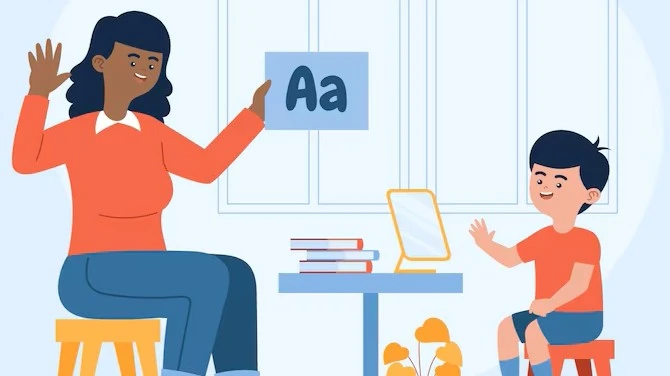
Special needs tutors work with students who have various learning disabilities, developmental delays, or cognitive challenges. Their role goes beyond traditional tutoring, as it involves creating adaptive strategies, addressing each student’s learning style, and providing emotional support.
A how to become a special needs tutor professional must be skilled in identifying learning gaps, adapting lessons, and maintaining patience and empathy. Tutors often collaborate with parents, teachers, and therapists to create a consistent and supportive learning environment.
Key Responsibilities of a Special Needs Tutor
The responsibilities of a special needs tutor are varied and require both teaching expertise and emotional intelligence:
- Individualized Lesson Plans: Tutors assess the student’s strengths and weaknesses to develop a personalized curriculum.
- Academic Support: Instruction in subjects such as reading, math, and writing tailored to the student’s abilities.
- Behavioral and Social Guidance: Helping students develop social skills, emotional regulation, and positive learning habits.
- Progress Monitoring: Keeping detailed records of progress, identifying areas of improvement, and adjusting teaching strategies.
- Parental Collaboration: Maintaining open communication with parents to provide updates and guidance on supporting learning at home.
Required Skills for Special Needs Tutors
Becoming a successful special needs tutor requires a combination of educational, interpersonal, and organizational skills. Key competencies include:
- Patience and Empathy: Understanding the challenges students face and providing consistent encouragement.
- Adaptability: Tailoring teaching methods to the unique needs of each student.
- Communication Skills: Explaining concepts clearly and collaborating effectively with parents and educators.
- Observation and Assessment: Identifying learning gaps and monitoring progress to adjust instruction.
- Creativity: Using innovative approaches, games, and activities to make learning engaging and effective.
Educational Requirements
While the requirements may vary depending on the tutoring setting, there are common educational paths for those seeking to become a special needs tutor:
- Bachelor’s Degree: Degrees in education, special education, psychology, or related fields provide foundational knowledge.
- Certifications: Additional certifications in special education, behavioral therapy, or tutoring programs can enhance qualifications.
- Training in Specific Disabilities: Familiarity with learning disabilities, ADHD, autism spectrum disorders, and other conditions is highly beneficial.
Professional how to become a special needs tutor programs often offer guidance on certification, instructional techniques, and adaptive strategies for working with diverse learners.
Steps to Become a Special Needs Tutor
- Gain Relevant Education: Obtain a degree in education, special education, or a related field. Courses in child development, psychology, and instructional strategies are particularly useful.
- Pursue Certification: Consider obtaining certifications such as Special Education Teaching Certification, Applied Behavior Analysis (ABA), or tutoring-specific credentials.
- Develop Skills Through Experience: Volunteer, intern, or work in classrooms, learning centers, or therapy settings to gain hands-on experience with special needs students.
- Find a Tutoring Platform or Center: Many private tutoring centers and online platforms hire qualified tutors to provide specialized support.
- Continuing Education and Training: Stay updated on best practices, new learning strategies, and educational tools to enhance tutoring effectiveness.
Challenges and Rewards
Working as a special needs tutor comes with both challenges and rewards.
Challenges:
- Students may progress at varying rates, requiring ongoing adaptation of lesson plans.
- Emotional and behavioral issues may arise, requiring patience and problem-solving skills.
- Collaboration with multiple stakeholders, such as parents and educators, can be complex.
Rewards:
- Making a meaningful impact on a student’s academic and personal development.
- Witnessing significant progress and breakthroughs in learning.
- Building strong, trusting relationships with students and their families.
Tools and Resources for Special Needs Tutors
Professional how to become a special needs tutor programs recommend using a variety of tools and resources to enhance learning:
- Adaptive Learning Materials: Worksheets, manipulatives, and digital tools designed for diverse learning needs.
- Assistive Technology: Speech-to-text software, reading tools, and interactive applications to support learning.
- Behavioral and Social Tools: Strategies and resources to promote positive behaviors and social skills.
- Progress Tracking Systems: Tools for monitoring student progress and documenting improvements.
Career Opportunities
Special needs tutors have a wide range of career paths:
- Private Tutoring: Offering one-on-one instruction at home or in learning centers.
- School-Based Tutoring: Supporting students within public or private school systems.
- Learning Centers and Clinics: Providing specialized programs for students with learning disabilities.
- Online Tutoring: Delivering remote instruction to students across various locations.
Professional how to become a special needs tutor programs and centers often provide placement assistance, ongoing training, and access to a network of educators in the field.
Tips for Success as a Special Needs Tutor
- Stay Patient and Positive: Celebrate small achievements and provide consistent encouragement.
- Be Flexible: Adapt your methods to the student’s pace, learning style, and preferences.
- Collaborate Effectively: Work closely with parents, teachers, and therapists to ensure a consistent approach.
- Use Creative Teaching Methods: Incorporate games, hands-on activities, and technology to engage students.
- Commit to Lifelong Learning: Stay informed about new educational techniques, resources, and research in special education.
Conclusion
Becoming a special needs tutor is a meaningful and fulfilling career that requires dedication, skill, and compassion. Through personalized instruction, adaptive strategies, and consistent support, tutors help students overcome learning challenges, build confidence, and achieve academic success.
By understanding how to become a special needs tutor, aspiring educators can prepare themselves with the necessary education, skills, and experience to make a lasting impact. This profession not only shapes the academic future of students but also fosters personal growth, patience, and empathy for the tutor.
For those passionate about making a difference in the lives of students with unique learning needs, becoming a special needs tutor offers the opportunity to empower children, support families, and contribute meaningfully to the field of education.