Water leaks pose a significant risk to Australian properties, often leading to extensive damage from mould, structural weakening, and inflated repair costs. In a country prone to variable weather and ageing infrastructure, undetected leaks contribute to 24% of property insurance claims, turning routine maintenance oversights into financial burdens. Timely water leak detection emerges as a critical practice, not only safeguarding homes and buildings but also ensuring alignment with insurance policy requirements for proactive property upkeep.
Understanding Water Leaks and Insurance Policies
Australian home and contents insurance policies commonly cover loss or damage from sudden or accidental water escapes from plumbing, fixtures, or appliances. However, coverage excludes gradual leaks due to wear and tear, corrosion, or owner negligence, placing responsibility on property owners for regular maintenance. Insurers like Budget Direct specify that policies cover sudden bursts or slow leaks if the owner could not reasonably detect them beforehand, highlighting the need for vigilance.
This distinction underscores why timely intervention matters. Policies often require evidence that leaks were not foreseeable, such as professional inspection reports, to validate claims and demonstrate compliance with duty-of-care obligations. Failure to address early signs can result in claim denials, leaving owners liable for full restoration costs.
The Compliance Imperative in Property Insurance
Property insurance compliance in Australia demands owners mitigate foreseeable risks, including undetected water ingress that could escalate into major incidents. Timely detection proves diligence, providing insurers with documentation that preventive steps were taken, which strengthens claim approvals and may lower premiums through demonstrated risk management. For instance, Chubb's risk bulletins emphasise leakage response procedures for prompt isolation and reporting, aligning detection services with insurer expectations.
Non-compliance risks include policy exclusions for preventable damage, as gradual leaks signal maintenance lapses. Professional detection reports serve as proof of compliance, detailing leak locations, timestamps, and non-invasive methods used, which insurers value for efficient claims processing. This approach not only meets legal and policy standards but also protects against disputes over causation.
Benefits of Early Water Leak Detection
Early detection minimises damage scope, preserving structural integrity and contents value while curbing secondary issues like mould growth. It reduces insurance claim amounts by limiting affected areas, potentially avoiding excess fees or underinsurance penalties common in extensive water events. Moreover, prompt action aligns with insurer guidelines for immediate isolation, such as shutting off mains supply and documenting evidence, boosting claim success rates.
From a compliance viewpoint, regular or suspicion-triggered detections fulfil policy preconditions for coverage, especially for hidden leaks in walls or slabs. Costs for detection, typically $200 to $800, pale against average claim values exceeding thousands, offering clear financial and regulatory advantages. Insurers may even cover investigation costs if a valid claim arises, further incentivising timely professional services.
How Detection Services Enhance Claims
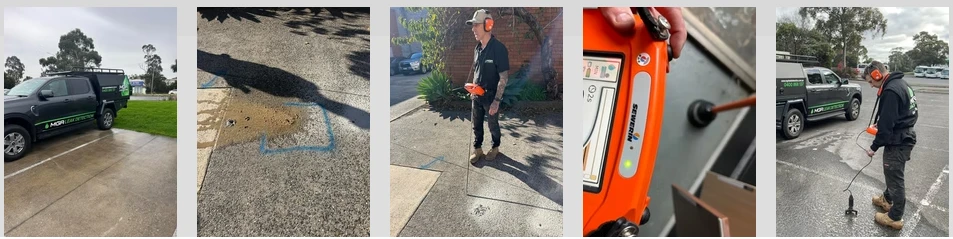
Professional services employ advanced, non-invasive technologies like thermal imaging, acoustic sensors, pressure testing, and CCTV inspections to locate leaks precisely without property disruption. These methods generate detailed reports with photos, videos, and findings, serving as robust evidence for insurers to confirm sudden onset over gradual neglect. In Australia, such documentation expedites assessments, often covering exploratory works if needed.
For property managers and owners, these services provide insurance-compliant logs, proving ongoing monitoring. This is vital for commercial properties under stricter compliance regimes, where undetected leaks could void coverage or trigger liability claims.
Signs Indicating the Need for Detection
Property owners should watch for unexplained high water bills, damp walls, reduced pressure, or mould, which signal hidden leaks demanding immediate checks. Subtle indicators like musty odours or warm spots on floors also warrant professional intervention to maintain insurance standing. Ignoring these invites escalation, complicating compliance proofs later.
Steps Following Leak Detection
Upon detection, isolate the water supply, document damage via photos and notes, and notify insurers promptly with the professional report. Engage licensed experts for repairs to uphold workmanship standards insurers require. This sequence ensures compliance and maximises payout efficiency.
Role of Expert Services like MGR Leak Detection
MGR Leak Detection stands out in Melbourne with 24/7 availability, state-of-the-art tools, and licensed technicians experienced in insurance-related detections. Their non-invasive approaches deliver fast, accurate results, producing reports tailored for claims that demonstrate compliance and minimise downtime. For Australian properties, partnering with specialists like MGR Leak Detection for water leak detection integrates seamlessly into maintenance routines, fortifying insurance positions.
Choosing reliable providers ensures services meet industry benchmarks, with genuine customer feedback affirming efficacy. Contact MGR Leak Detection at 0400-868-137 or via their website to schedule inspections that protect both property and policy compliance.
In summary, timely water leak detection transforms potential liabilities into managed risks, directly enhancing property insurance compliance across Australia. By prioritising professional interventions, owners secure coverage reliability and financial peace.