A vehicle does not necessarily lose all its value when it reaches the end of its useful life on the road. Even an older car with mechanical problems or accident damage may contain components that can be reused, repaired or recycled. This is one reason the used vehicle market, spare parts trade and automotive recycling industry are closely connected.
These industries serve different purposes, but they often work together. Used vehicle buyers assess cars for resale, dismantlers recover usable components, spare parts suppliers make those components available to customers, and recycling businesses process materials that cannot be reused.
Understanding how these activities work can help vehicle owners make informed decisions when buying replacement parts or disposing of an unwanted car.
Understanding the Used Vehicle Market
The used vehicle market includes cars that have previously been owned and are being sold again. These vehicles may be in good condition, require repairs or have reached an age where maintenance becomes more expensive.
Several factors influence the demand and price of a used vehicle. These include its make, model, manufacturing year, mileage, service history, mechanical condition and overall market demand.
A vehicle with a complete service history and working components may attract buyers interested in using it as a regular car. Another vehicle with significant mechanical damage may be more suitable for dismantling or parts recovery. This is where an auto car wrecker plays an important role by assessing unwanted vehicles, recovering reusable components and directing remaining materials towards recycling.
This creates different opportunities within the market. A car that is no longer practical to drive may still provide components that other vehicle owners need.
How Vehicle Assessment Determines Its Next Use
Before a used or unwanted vehicle enters the next stage of its life, its condition needs to be assessed. The purpose of this assessment is to understand whether it is suitable for resale, repair, dismantling or recycling.
A typical assessment may consider:
- Mechanical condition: The engine, transmission, brakes and other major systems.
- Body condition: Rust, accident damage, dents and structural problems.
- Mileage and age: These can influence the vehicle's remaining service life and market demand.
- Parts condition: Working components may have resale potential.
- Market demand: The availability of buyers for the vehicle or its individual parts.
The results help determine the most practical option. For example, repairing a vehicle may make sense when the damage is limited, while dismantling may be more appropriate when repair costs are too high compared with its potential resale value.
The Role of Used Spare Parts in the Automotive Industry
Used spare parts provide another option for vehicle owners and repair businesses. When a vehicle is dismantled, components that remain in usable condition can be inspected and made available for resale.
Common examples include:
- Engines and gearboxes
- Alternators and starter motors
- Doors, bonnets and bumpers
- Headlights and tail lights
- Mirrors and windows
- Suspension components
- Radiators and cooling system parts
- Interior seats and dashboard components
- Wheels and selected accessories
The availability of these parts depends on the vehicle's make, model, year and condition. Some components are easier to source than others, particularly when a vehicle model is older or less common.
For customers, buying a used component can be a practical alternative to purchasing a new replacement. However, the part should be checked for compatibility, condition and any available warranty before purchase.
What to Check Before Buying Second-Hand Auto Parts
Not every used component will be suitable for every vehicle, even if the parts look similar. Differences in model year, engine type, transmission and vehicle specifications can affect compatibility.
Before purchasing a second-hand part, consider the following points:
Confirm the vehicle details: Provide the make, model, year and, where necessary, the VIN to help identify the correct component.
Check the part number: Comparing the original part number can reduce the risk of buying an incompatible replacement.
Ask about its condition: Find out whether the component has been inspected, tested or reconditioned.
Understand the warranty: Check whether a warranty applies, what it covers and how long it lasts.
Discuss returns: Ask about the supplier's return or exchange policy before completing the purchase.
These checks are particularly important for major components such as engines and transmissions, where installation costs can be significant.
Why Vehicle Recycling Is Important
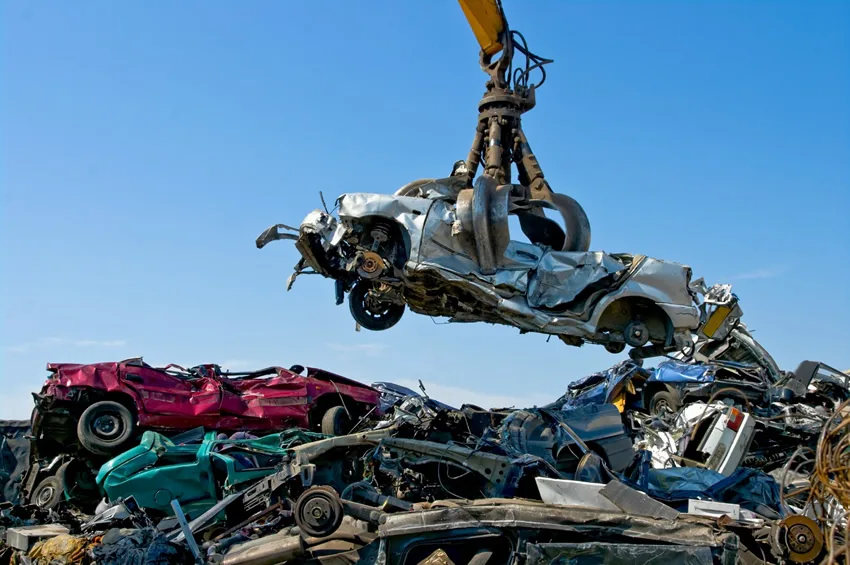
Vehicles contain a range of materials, including steel, aluminium, copper, glass, plastics and rubber. When these materials are recovered through suitable processes, they can be used in manufacturing and other applications.
Recycling helps reduce the amount of material sent to landfill and can lower the demand for newly extracted raw materials. Recovering metals may also reduce the energy required compared with producing some metals from virgin resources.
However, recycling needs to be managed carefully. Batteries, oils, refrigerants and other vehicle substances should not be released into the environment. Appropriate handling and processing are important parts of responsible end-of-life vehicle management.
Vehicle recycling is therefore not just about recovering scrap metal. It also involves reducing waste, protecting the environment and making better use of materials that still have practical value.
How the Different Parts of the Industry Connect
The used vehicle market, spare parts trade and recycling industry are connected through a series of decisions about what happens to a vehicle.
A car in good condition may be sold to another driver. A vehicle with repairable damage may be restored and returned to the road. If it is no longer economical to repair, dismantlers may recover usable components and send the remaining materials for recycling.
This process creates a supply of second-hand components for mechanics, repair shops and individual vehicle owners. It also gives some materials another purpose instead of treating the entire vehicle as waste.
The most suitable outcome depends on the vehicle's condition, the demand for its components and the available recovery options.
About Car Wreckers Adelaide
Car Wreckers Adelaide is an automotive dismantling and recycling business located at 2–10 Cormack Road, Wingfield SA 5013. Its services include buying unwanted vehicles, recovering used spare parts, vehicle dismantling and scrap metal recycling. The business also lists parts for a range of vehicle makes and models, including Toyota, Ford, Holden, Nissan, Mitsubishi and Hyundai.
For vehicle owners exploring cash for cars Adelaide options, the business assesses unwanted, damaged, old and non-running vehicles for potential parts recovery and recycling. Its website also lists a stock of more than 55,000 used spare parts and states that selected parts come with warranties ranging from three to twelve months. More information about its services and available components can be found at Car Wreckers Adelaide.
Making Better Decisions About Vehicles and Spare Parts
The automotive industry depends on more than the sale of new and used cars. Vehicle assessment, dismantling, spare parts recovery and recycling all contribute to keeping useful components and materials in circulation.
For vehicle owners, understanding these processes can make it easier to decide whether to repair a car, purchase a second-hand component or arrange responsible disposal. For repair businesses, the used parts market provides another source of replacement components.
Ultimately, the best outcome is one that considers vehicle condition, safety, practical value and responsible material recovery. An old car may have reached the end of its driving life, but that does not mean everything in it has reached the end of its usefulness.