
Many pilgrims believe the journey of Umrah ends after leaving Makkah. For many, the journey does not end upon return; it continues for weeks, and in many ways, for a lifetime. We all expect Umrah to change our hearts, emotions, iman and strengthen our relationship with Allah (SWT), but we don’t anticipate how quietly the pilgrimage begins to change our daily habits.
You return from the journey, thinking life will go back to normal. However, weeks later, you start to notice small shifts. You wake up differently, eat differently, respond differently, and even think differently. Umrah, the voluntary pilgrimage, reshapes daily life not through grand resolutions but through subtle training of the soul.
In this blog, we will explore how the Umrah pilgrimage changes the daily habits of pilgrims.
Salah Stops Feeling Like an Interruption
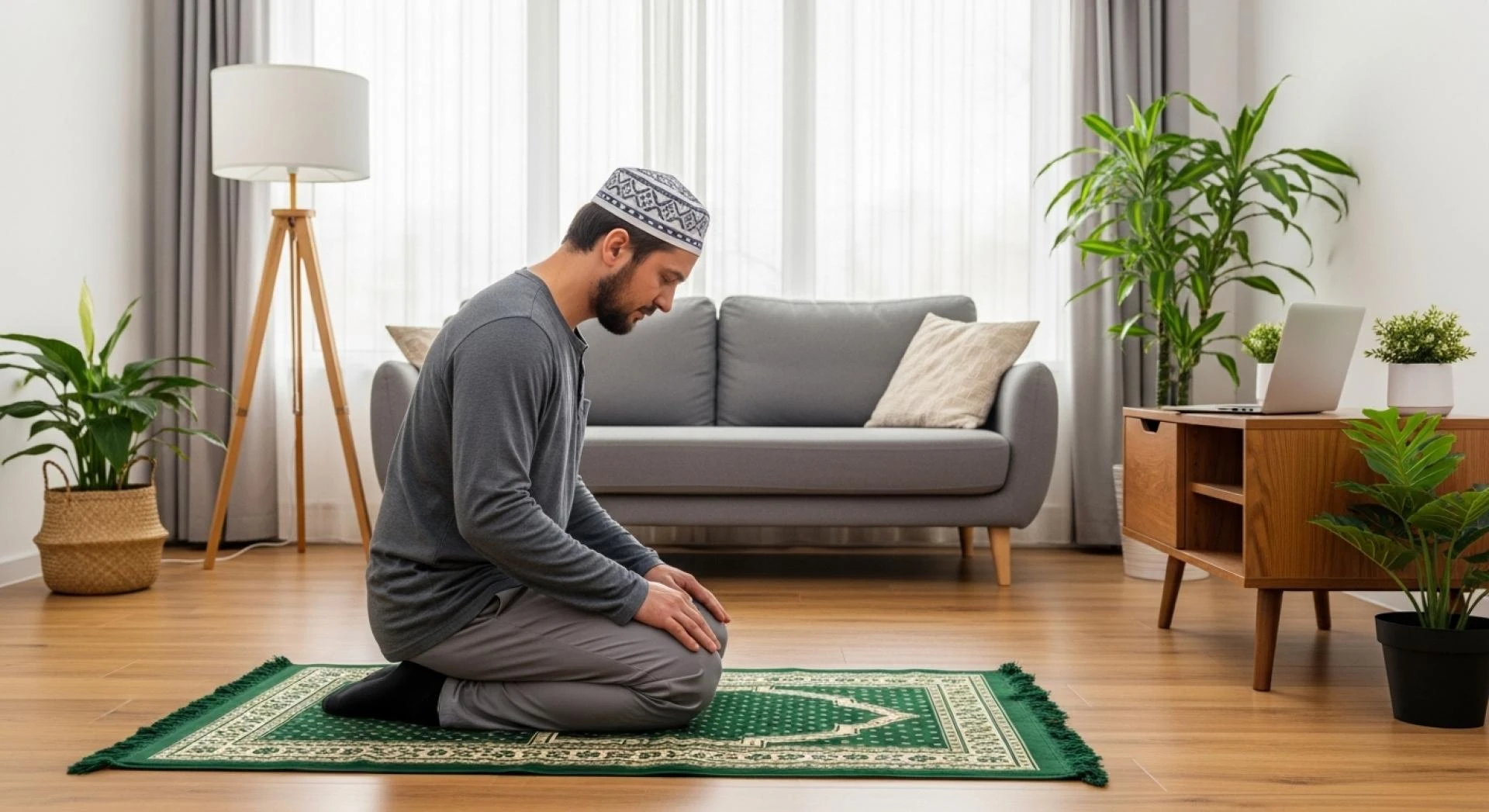
Before embarking on the Umrah journey, many Muslims fit salah around life; between meetings, errands, and responsibilities. In the sacred cities of Makkah and Madinah, salah becomes the focal point and the structure of the day.
Your daily routine and activities adjust around salah. Even shops close, streets pause, and the crowd move in one direction. Time itself seems to be revolving around prayer. When you are back at home, this memory lingers;
- You become more aware of prayer times.
- You feel discomfort delaying salah unnecessarily.
- You instinctively plan your day with prayer in mind.
Even when life gets busy again, something has shifted. Salah no longer feels like an interruption; it feels like a return to alignment.
Waking Up Early Feels More Natural
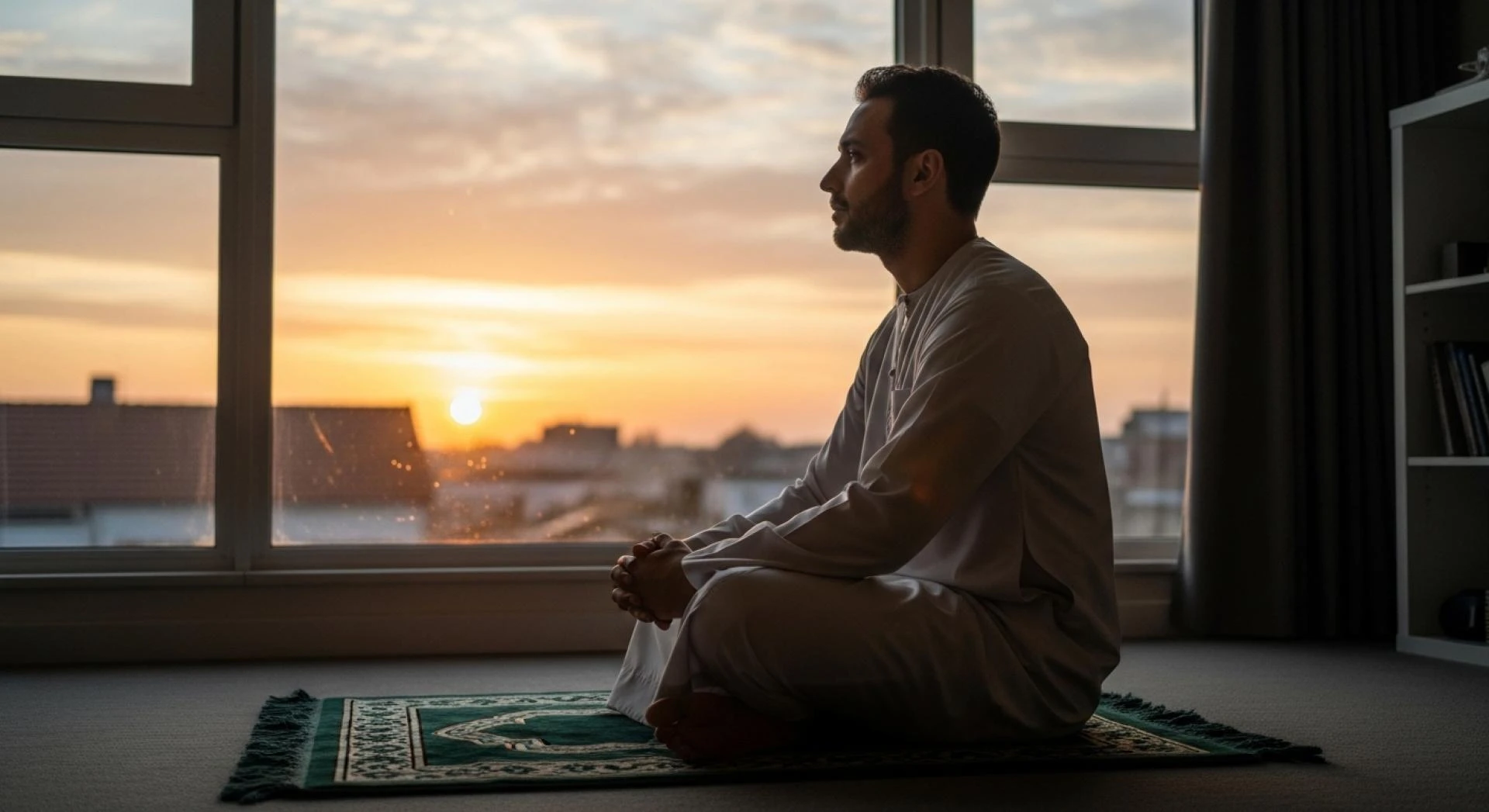
Praying Fajr salah in Masjid al-Haram is a unique experience; It is not just a prayer, it’s the stillness before dawn. The cool air, the peace, quiet footsteps and the feeling that you are awake while the world is sleeping.
Many muslims struggle to wake up during Fajr before Umrah. But after waking during the journey, the body adjusts, and so does the mind of the pilgrims.
Back home, you may not maintain the same consistency immediately, but your relationship with mornings changes. You realise how much barakah exists in the early hours. Sleeping through them starts to feel like a loss rather than a comfort.
Food Becomes More Intentional, Less Excessive

Umrah is a journey of the heart that not only transforms the mind and soul but also reshapes our habits. The sacred pilgrimage simplifies eating; meals are often light, and even the portions are modest. Pilgrims begin to realise that food is fuel and not entertainment.
You eat to sustain worship and the rituals, not to indulge constantly. This simplicity has an after-effect; many pilgrims notice reduced attachment to overeating and more gratitude for basic meals.
The habit that forms is not about dieting; it’s about mindfulness. You become more aware of why you eat, not just what you eat. And that awareness often carries into daily life long after Umrah ends.
Complaining Feels Heavier Than Before
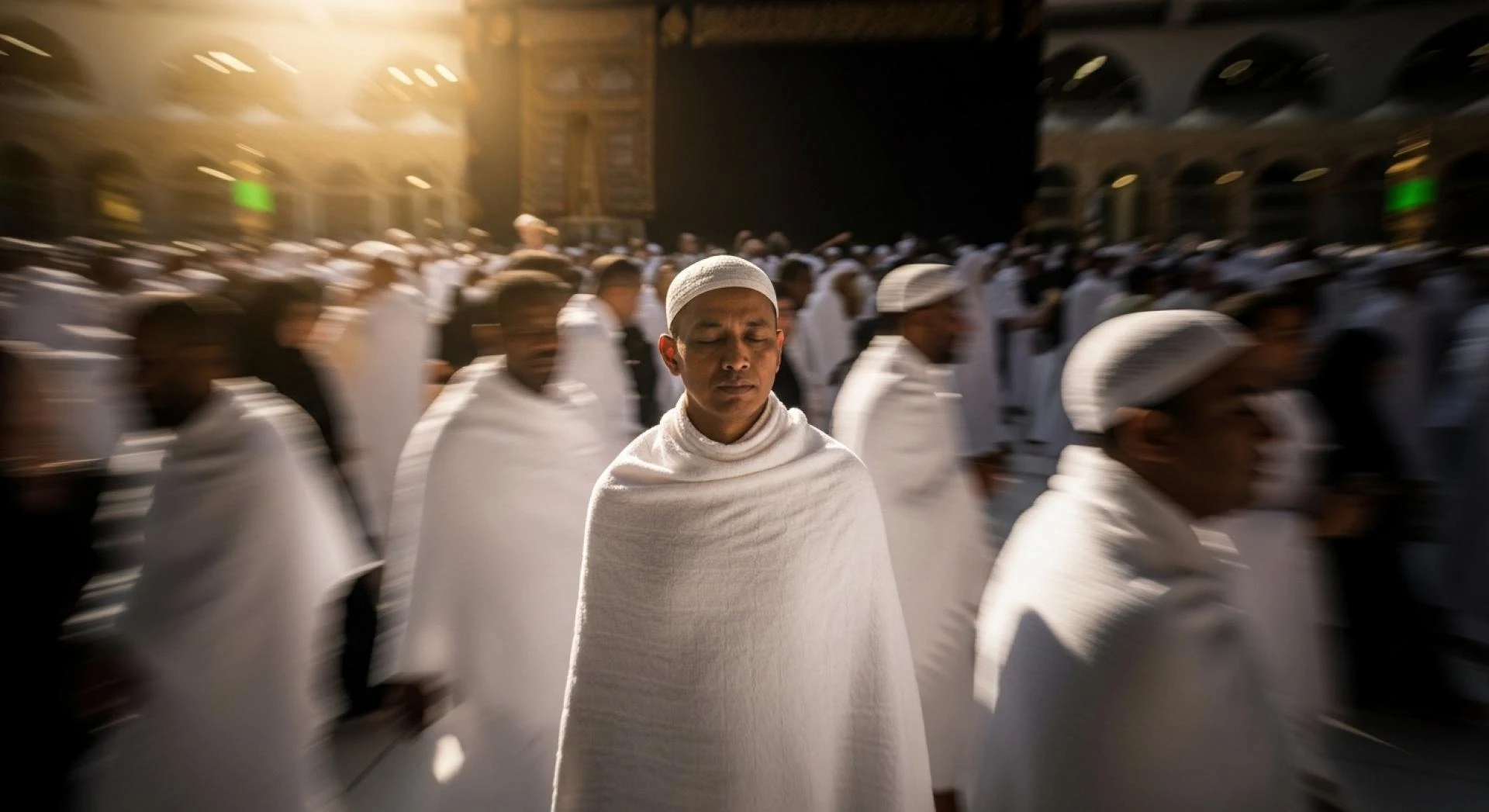
Umrah is a challenging and physically demanding journey. The voluntary pilgrimage exposes you to many discomforts, like crowds, intense heat, delays and physical exhaustion; but it also exposes pilgrims to perspective.
When you stand shoulder to shoulder with millions, many older, weaker, or facing far greater hardship, complaints begin to feel… unnecessary. After the Umrah journey, many pilgrims notice they complain less; the same feeling continues at home, where minor inconveniences no longer feel catastrophic.
Umrah doesn’t eliminate frustration, but it reframes it. You’ve endured far more with patience. And that memory softens daily reactions.
Time Feels More Valuable
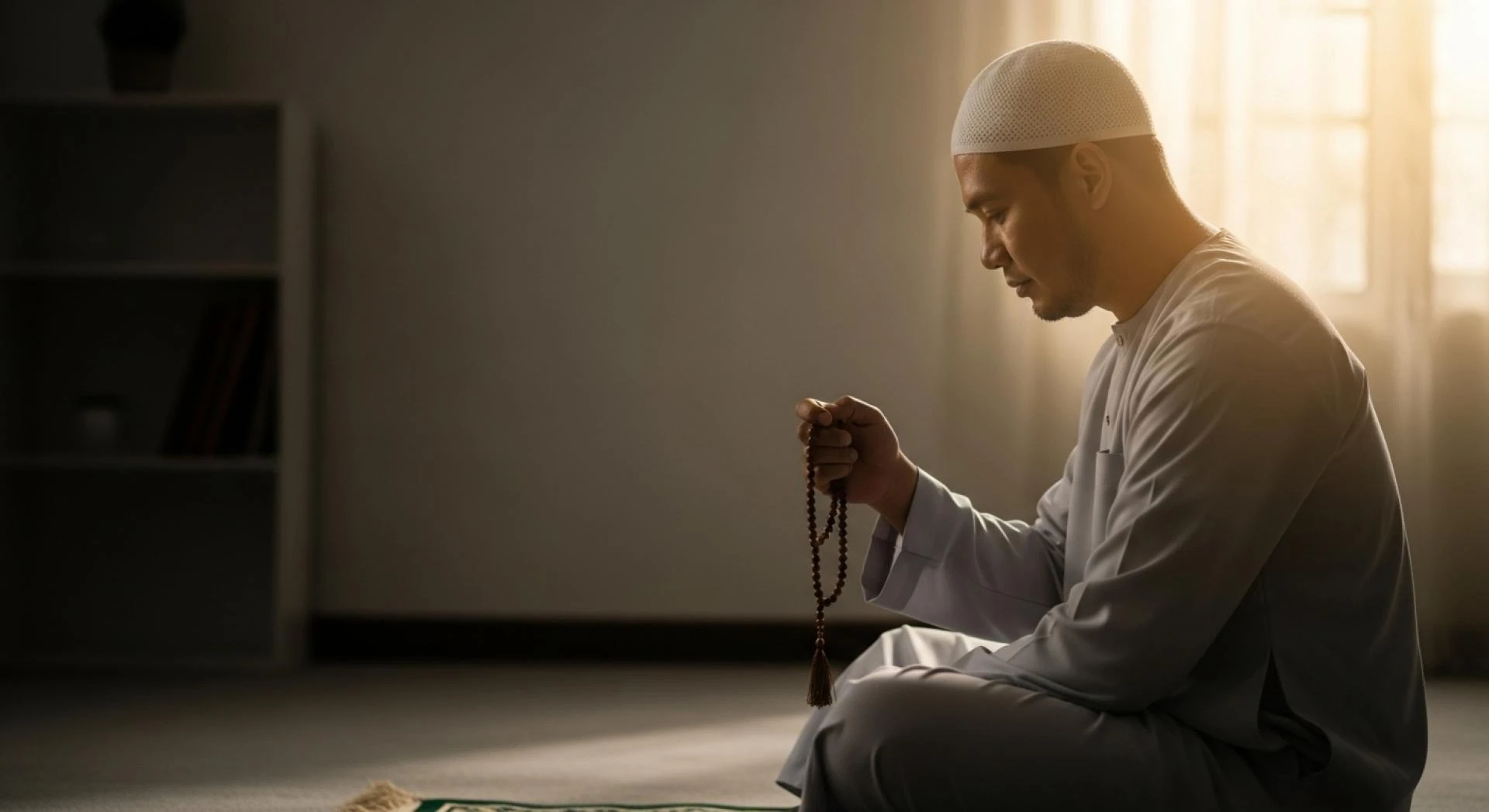
Time in the blessed Makkah and Madinah feels sacred; every minute matters, every moment feels weighty, and every opportunity feels fleeting. While performing Umrah, you become acutely aware that every moment can be used for something meaningful: dua, dhikr, reflection and silence.
Back home, wasted time becomes more noticeable.
- Endless scrolling.
- Mindless distractions.
- Days slipping by unnoticed.
While not every pilgrim becomes perfectly disciplined, most become more aware of how they spend their time. And awareness is the first step toward change.
Dhikr Becomes a Quiet Companion
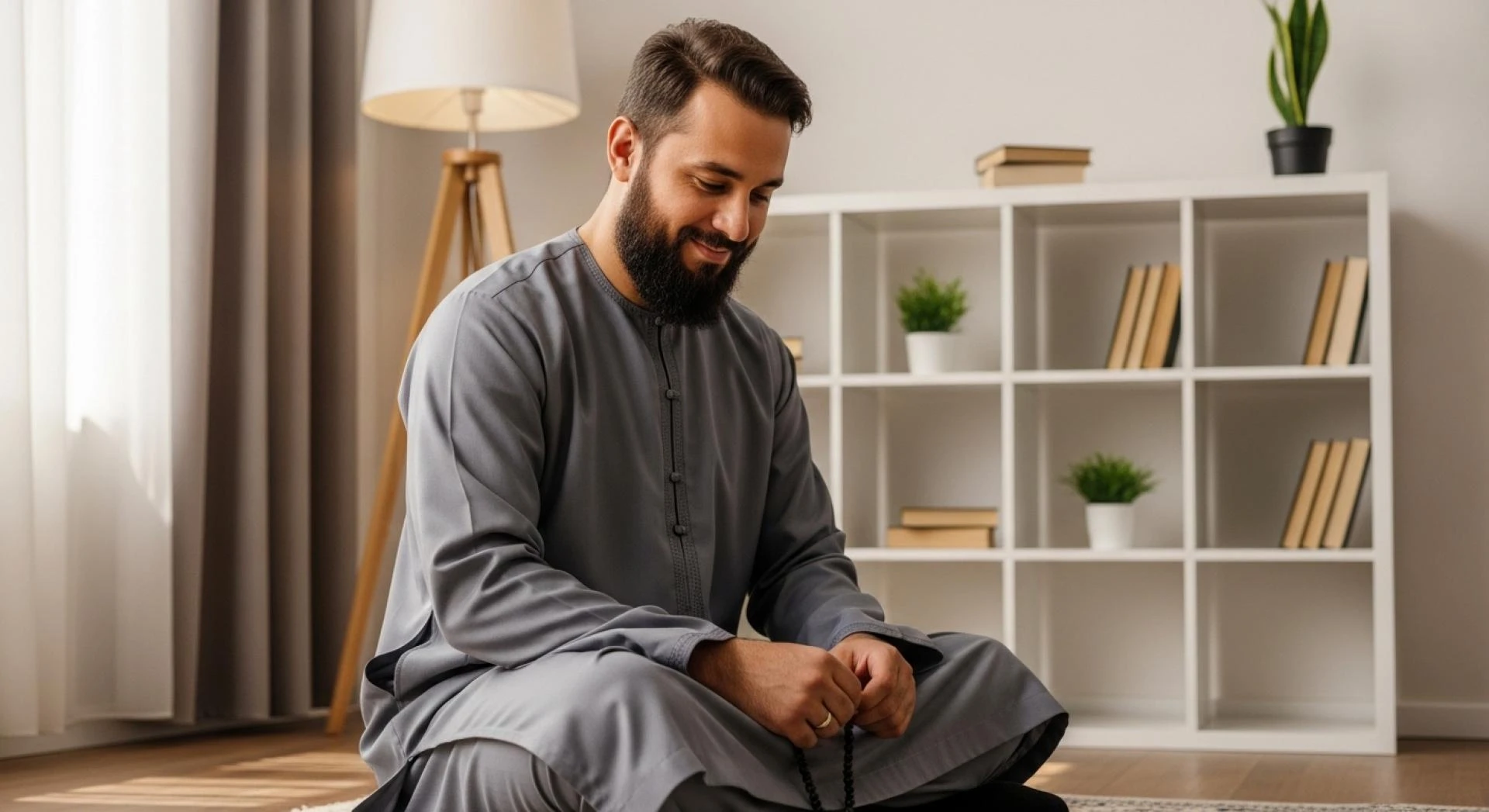
During Umrah, dhikr fills the gaps, while walking, waiting, resting and moving between the rituals, you remember Allah (SWT) constantly; not through effort but through environment. After returning from the pilgrimage, many muslims notice that silence feels different.
The mind naturally turns to short adhkar, and the tongue automatically remembers phrases it repeated hundreds of times. Even if consistency fades, the habit of remembering Allah (SWT) has been planted. Dhikr no longer feels like a new thing; it feels familiar, accessible and grounding.
Clothing Choices Become More Conscious
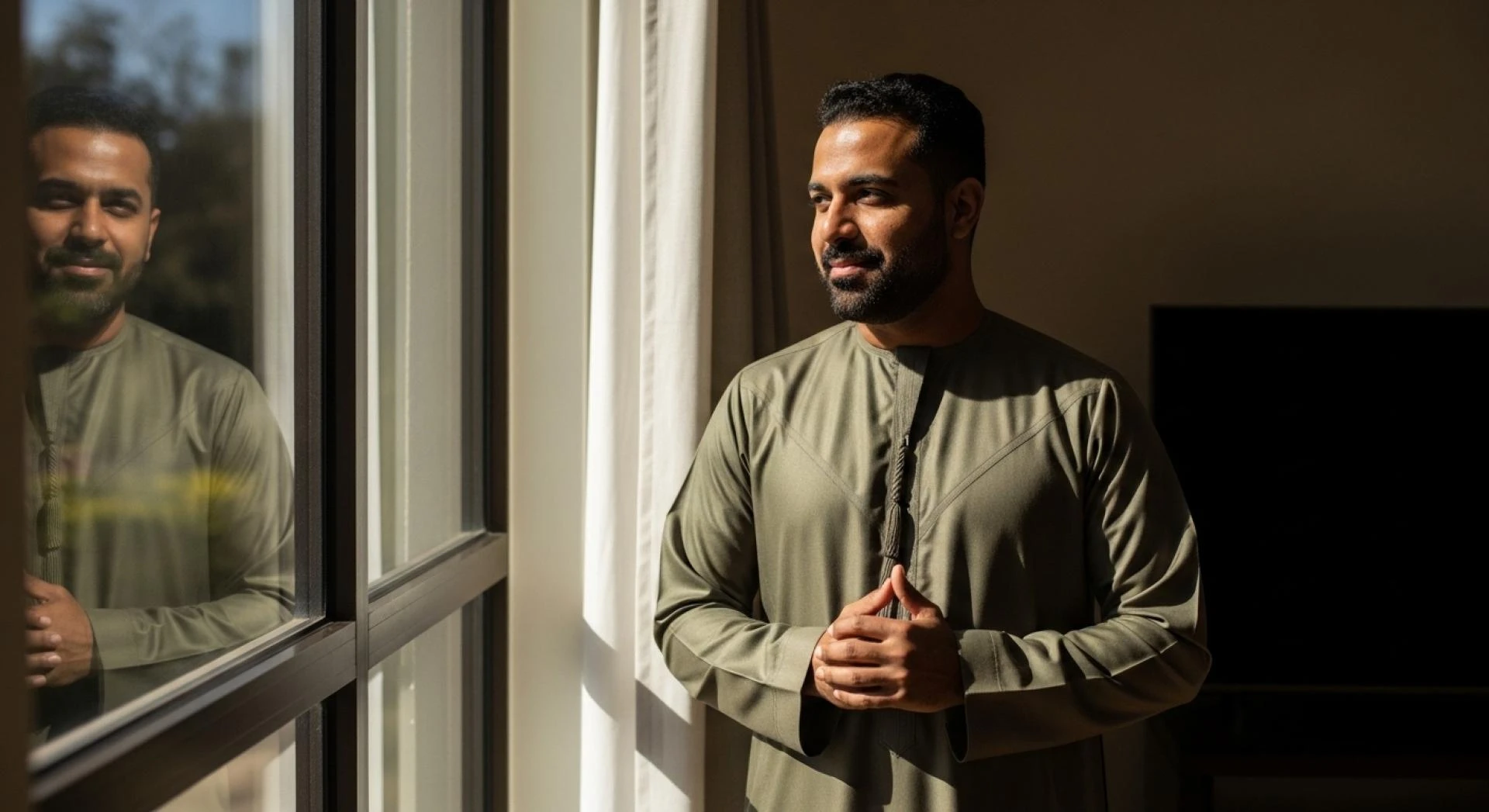
During Umrah, Ihram teaches simplicity, Abayahs teaches modesty, and uniformity removes ego. During the pilgrimage, muslims don’t even care about their appearances. While returning home, this experience subtly influences how pilgrims dress.
Not necessarily, but more intentionally.
- Comfort over excess.
- Modesty over display.
- Simplicity over attention.
It’s not about changing identity. It’s about aligning external choices with internal priorities learned during the journey.
Reactions Become Slower, More Thoughtful

Umrah is a spiritually profound journey that tests and trains pilgrims' patience through necessity.
- You cannot rush tawaf.
- You cannot control crowds.
- You cannot force outcomes.
This slows internal reactions.
After Umrah, many pilgrims notice they pause more before responding. They breathe before reacting. They remember how silence often served them better than impulse.
Life still triggers emotions, but Umrah plants the habit of response over reaction.
Daily Du‘a Feels More Personal
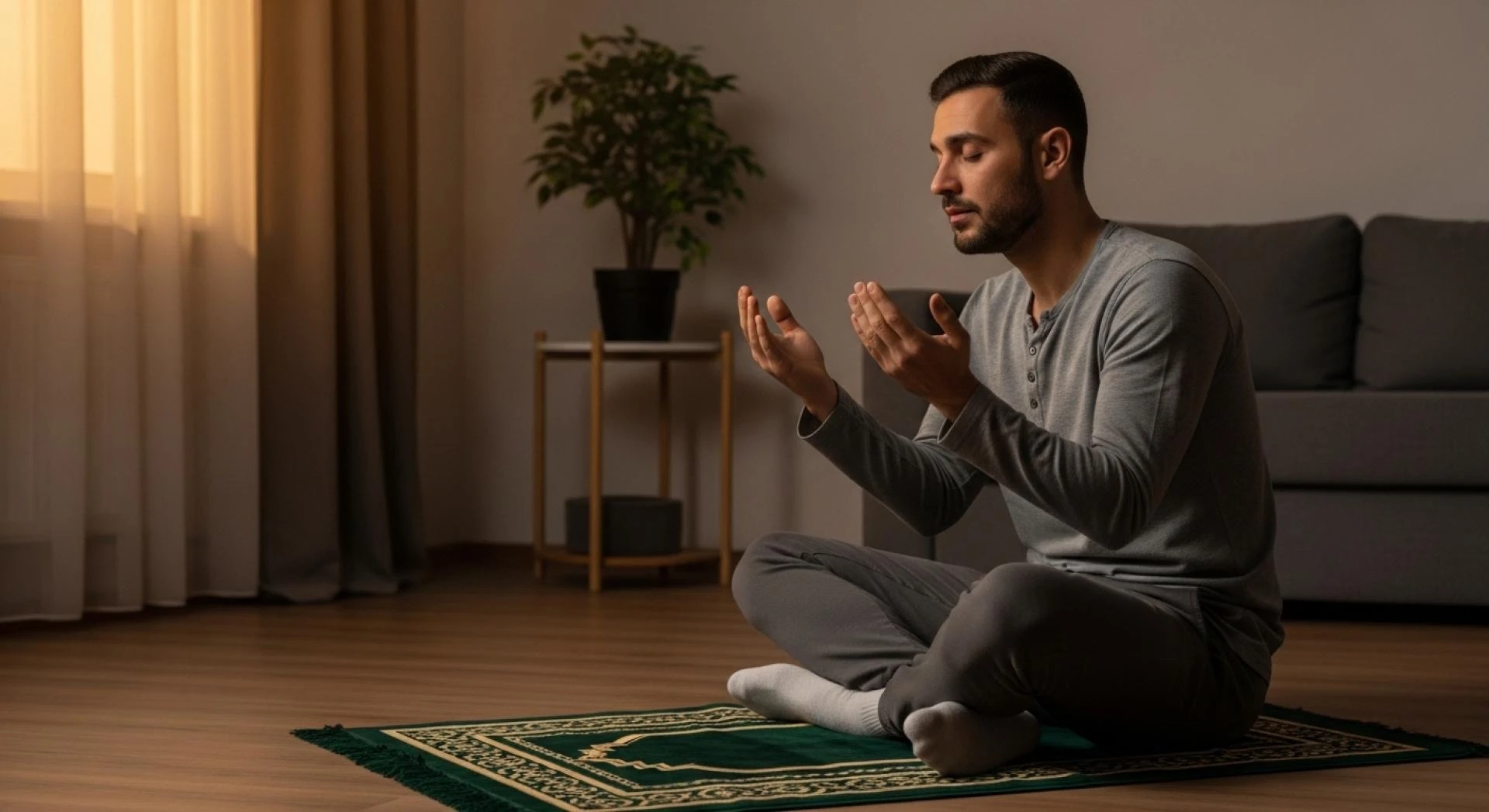
Making du‘a in front of the Ka‘bah changes how you speak to Allah.
It becomes honest.
Unfiltered.
Deeply personal.
After Umrah, du‘a no longer feels formal or distant. Many pilgrims find themselves speaking to Allah more freely, while driving, before sleeping, and during moments of stress.
Du‘a shifts from ritual to relationship.
Final Wordings
The real impact of Umrah is not measured in sudden and dramatic transformations. It is measured in quiet habits that slowly reshape daily life.
- How you wake up.
- How you pray.
- How you eat.
- How you speak.
- How you respond.
- How you remember Allah SWT.
These changes may fluctuate. Some days you hold onto them. Some days you don’t. But the seed remains.
And that is the mercy of Umrah.
It doesn’t demand perfection. It invites alignment.