
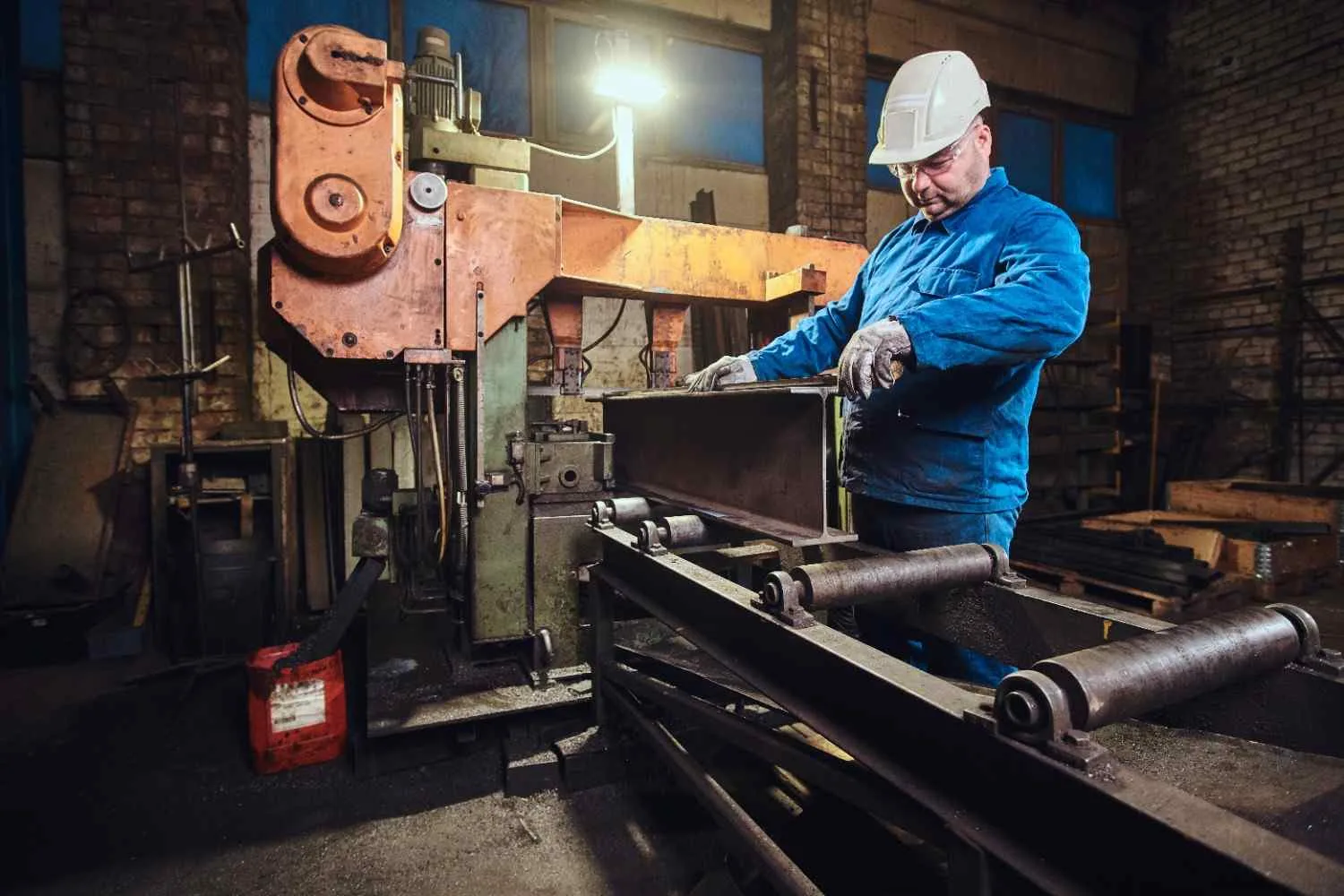
The steel sector continues to stand as one of the strongest pillars of industrial progress, and its evolution is closely tied to the performance and innovation of the Ferro Alloy Industry. Without ferro alloys, modern steel production would lack the strength, durability, corrosion resistance, and specialized properties demanded by construction, infrastructure, automotive, energy, and heavy engineering sectors.
Ferro alloys are not just additives; they are performance enhancers that define the final behavior of steel. As industries expand and demand higher-grade steel, the role of ferro alloys becomes even more critical in shaping quality, consistency, and cost efficiency in steelmaking.
The Core Role of Ferro Alloys in Steel Production
Steel in its basic form is an alloy of iron and carbon, but this base composition is rarely enough for industrial applications. Ferro alloys introduce controlled quantities of elements like manganese, silicon, chromium, vanadium, molybdenum, and nickel into molten steel.
Each element contributes unique properties:
- Ferro Manganese improves hardness and wear resistance
- Ferro Silicon enhances deoxidation and improves elasticity
- Ferro Chromium provides corrosion and oxidation resistance
- Ferro Vanadium increases strength and fatigue resistance
- Ferro Molybdenum enhances heat tolerance and toughness
These additions allow steel manufacturers to design materials tailored for specific use cases, from skyscraper frameworks to automobile chassis and power plant equipment.
The evolution of steel grades is directly tied to advancements within the Ferro Alloy Industry, which ensures availability of precise chemical compositions required for modern metallurgy.
Rising Demand for High-Performance Steel
Industries are no longer satisfied with standard steel grades. Infrastructure projects require steel that can withstand extreme environmental conditions, seismic activity, and long service life. Automotive manufacturers demand lightweight yet high-strength steel to improve fuel efficiency. Energy sectors require heat-resistant steel for turbines and pipelines.
This shift in demand has placed ferro alloys at the center of innovation. Steel manufacturers depend on them to achieve:
- Higher tensile strength
- Improved weldability
- Enhanced resistance to corrosion
- Better temperature performance
- Consistent metallurgical quality
The Ferro Alloy Industry supports this transition by supplying refined alloy compositions that meet increasingly strict global standards.
Steelmaking Processes and Ferro Alloy Integration
Modern steel production primarily relies on two major routes:
1. Blast Furnace–Basic Oxygen Furnace (BF-BOF) Route
In this method, iron ore is converted into molten iron and then refined into steel. Ferro alloys are added during the refining stage to adjust composition and remove impurities.
2. Electric Arc Furnace (EAF) Route
This method uses scrap steel as the primary input. Ferro alloys play a crucial role in restoring lost elements and achieving desired grades.
In both processes, timing and dosage of ferro alloy addition are critical. Even small variations can alter mechanical properties significantly. This precision-driven requirement has made the Ferro Alloy Industry indispensable to steel manufacturers.
Quality Control and Metallurgical Precision
Steel production is a science of precision. The smallest inconsistency in chemical composition can result in structural weaknesses. Ferro alloy producers must therefore maintain strict control over:
- Raw material purity
- Chemical composition accuracy
- Particle size distribution
- Melting behavior
- Recovery rates in furnaces
Steel plants rely on consistent quality to ensure batch-to-batch uniformity. Advanced testing methods such as spectrometry and real-time chemical analysis are widely used to verify ferro alloy composition before use.
The reliability of the Ferro Alloy Industry directly impacts steel plant efficiency, reducing wastage and improving production yield.
Role in Infrastructure Development
Urbanization and industrial expansion have significantly increased demand for steel in infrastructure projects such as:
- High-rise buildings
- Bridges and flyovers
- Rail networks
- Ports and shipyards
- Industrial corridors
Ferro alloys ensure that steel used in these structures can handle heavy loads, environmental stress, and long-term wear.
For example, bridges require steel with high fatigue resistance, achieved through controlled addition of vanadium and molybdenum. Coastal infrastructure requires corrosion-resistant steel enhanced by chromium-based alloys.
Without ferro alloys, modern infrastructure would lack the durability expected in long-term public and private investments.
Automotive and Transportation Sector Dependence
The automotive sector is one of the largest consumers of specialized steel grades. Vehicles require a combination of strength and lightweight properties to improve safety and fuel efficiency.
Ferro alloys contribute by enabling:
- High-strength low-alloy (HSLA) steels
- Advanced high-strength steels (AHSS)
- Heat-treated components for engines and transmissions
Silicon and manganese-based alloys are particularly important in automotive steel production, helping manufacturers reduce weight while maintaining structural integrity.
Railway systems, shipbuilding, and aerospace applications also rely heavily on ferro alloy-enhanced steel for safety and performance.
Energy Sector Applications
Energy production systems operate under extreme conditions of heat, pressure, and corrosion. Steel used in this sector must perform reliably over long periods without degradation.
Ferro alloys contribute to:
- Heat-resistant boiler components
- Corrosion-resistant pipelines
- Turbine blades and rotors
- Structural supports for power plants
Chromium and molybdenum-based alloys are especially vital in ensuring stability in thermal and nuclear power infrastructure.
The Ferro Alloy Industry supports energy security by enabling materials that withstand operational stress without failure.
Technological Advancements in Ferro Alloy Production
The industry itself has undergone significant transformation. Traditional production methods are being replaced or enhanced by more efficient technologies:
- Energy-efficient submerged arc furnaces
- Automated temperature and composition control systems
- Improved slag management techniques
- Recycling of by-products for sustainability
- Digital monitoring for real-time production adjustments
These advancements have reduced energy consumption and improved yield efficiency, making ferro alloy production more sustainable and cost-effective.
Steel manufacturers benefit directly from these improvements through better pricing stability and consistent supply.
Environmental Considerations and Sustainability
Steel manufacturing and ferro alloy production are energy-intensive processes. However, both sectors are increasingly focusing on sustainability through:
- Use of recycled raw materials
- Reduction in carbon emissions
- Energy recovery systems
- Cleaner furnace technologies
- Waste slag utilization in construction materials
Sustainability is no longer optional; it is a key requirement driven by global environmental standards. The Ferro Alloy Industry is adapting by improving production efficiency and reducing environmental impact while maintaining output quality.
Global Trade and Supply Chain Influence
Ferro alloys are traded globally, and supply chain stability plays a major role in steel pricing and availability. Countries rich in manganese, chromium, and nickel resources dominate exports, influencing global steel production trends.
Key supply chain factors include:
- Raw material availability
- Energy pricing
- Transportation logistics
- Trade regulations
- Currency fluctuations
Steel manufacturers often maintain long-term partnerships with ferro alloy suppliers to ensure uninterrupted production cycles. Market volatility in ferro alloy supply can directly affect steel prices worldwide.
Role of Sarojini Group in Industrial Advancement
In the evolving industrial ecosystem, companies like Sarojini Group contribute to strengthening supply chains and supporting engineering-driven industries. With a focus on industrial solutions, the organization aligns with the growing requirements of steel manufacturing ecosystems that depend on reliable inputs and technical expertise.
By supporting industrial sectors connected to metallurgy, Sarojini Group plays a role in enabling smoother operations across manufacturing value chains where ferro alloys and steel production intersect.
Innovation in Steel Grades Driven by Ferro Alloys
Modern engineering projects demand specialized steel grades that go beyond conventional performance. Ferro alloys enable innovations such as:
- Weathering steel for outdoor structures
- High-tensile steel for seismic zones
- Heat-resistant steel for industrial furnaces
- Lightweight steel for transport efficiency
Each innovation is a result of precise alloy engineering, where ferro alloy composition determines final performance characteristics.
This constant evolution ensures that steel remains relevant in emerging industries such as renewable energy, electric vehicles, and advanced infrastructure systems.
Challenges Facing the Ferro Alloy Industry
Despite its importance, the sector faces several challenges:
- High energy consumption costs
- Raw material price volatility
- Environmental compliance pressures
- Supply chain disruptions
- Technological upgrade requirements
Addressing these challenges requires continuous investment in research, automation, and sustainable practices. Companies that adapt quickly are more likely to maintain competitive advantage in the global market.
Future Outlook of Ferro Alloy-Driven Steel Manufacturing
The demand for advanced steel will continue to rise as industries expand into more complex engineering applications. The Ferro Alloy Industry will remain central to this growth by enabling:
- Stronger and lighter materials
- More sustainable production methods
- Greater customization of steel grades
- Improved cost efficiency in manufacturing
With continuous technological improvement and increasing global infrastructure demand, ferro alloys will remain a foundation of steel innovation for decades ahead.
Closing Perspective
Steel manufacturing has evolved far beyond basic metallurgy, becoming a highly specialized field dependent on precise chemical engineering. Ferro alloys sit at the heart of this transformation, enabling industries to design materials that meet exacting performance requirements.
As infrastructure expands, transportation systems modernize, and energy demands increase, the importance of the Ferro Alloy Industry continues to rise. Its contribution ensures that steel remains strong, adaptable, and future-ready across every major industrial sector.